

What Makes a Grain 'Better'?
For years, the advice was simple: choose whole grains over refined ones. But the new wave of interest goes much deeper. Today, 'better' is a triple-threat of benefits. First, there’s flavor. Heirloom varieties of wheat, corn, and rice offer complex, nutty,
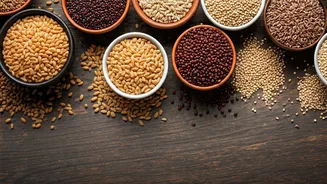
and earthy tastes that their mass-market cousins have lost. Second, there's nutrition. Many of these ancient or unhybridized plants pack a denser nutritional punch, offering more protein, fiber, and micronutrients. Finally, and perhaps most importantly, there's the environmental angle. Regenerative and perennial grains, like Kernza, can actively fight climate change by sequestering carbon in their deep root systems, reducing the need for tilling and synthetic fertilizers. This shift reframes pantry staples not just as fuel, but as a choice that impacts taste, health, and the environment.
The Grains Leading the Charge
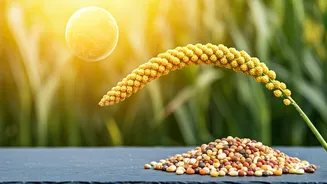
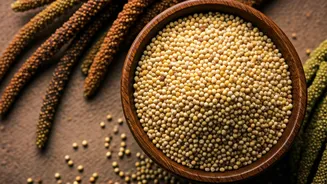
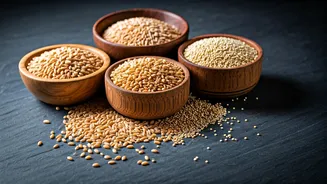
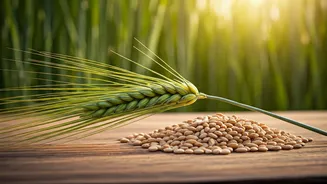
At the forefront of this movement are grains with compelling stories. Take fonio, a tiny West African grain that’s been cultivated for over 5,000 years. It’s naturally gluten-free, cooks in minutes like couscous, and has a light, nutty flavor. Its resurgence is creating economic opportunities for female farmers in the Sahel. Then there's einkorn, considered one of the first forms of cultivated wheat. Many people who find modern wheat hard to digest report better tolerance with einkorn, thanks to its simpler gluten structure. And we can't ignore Kernza, a perennial grain developed by The Land Institute. Unlike annual wheat which must be replanted every year, Kernza stays in the ground for years, developing roots that can stretch 10 feet deep, preventing soil erosion and enriching the earth. You can now find these in specialty pastas, breads, and even beers.
Legumes Level Up
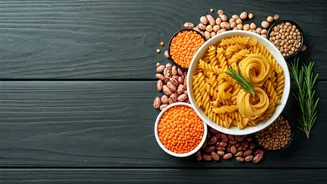
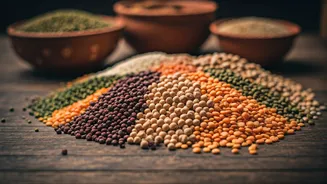
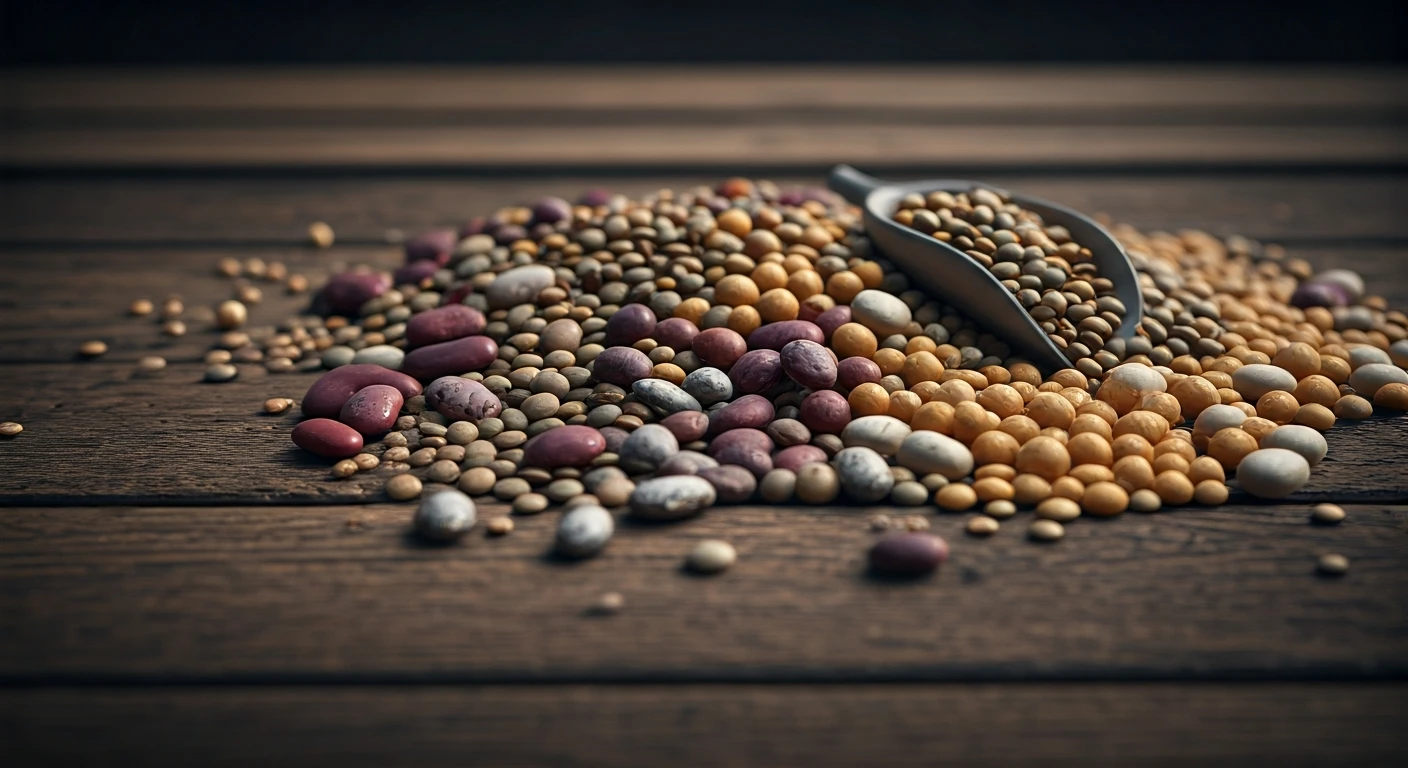
It’s not just grains getting a glow-up. The world of legumes—beans, lentils, and peas—is experiencing a similar renaissance. Chefs and home cooks are looking beyond the standard can of black beans and discovering a universe of texture and flavor. Think of creamy, almost buttery Corona beans from Italy, the meaty and rich Santa Maria Pinquito bean that's a cornerstone of California barbecue, or the tiny, caviar-like Beluga lentils that hold their shape perfectly in salads. This trend is driven by a desire for plant-based protein that is both satisfying and exciting. Heirloom bean purveyors are seeing a surge in demand, as consumers realize that a simple pot of beans, when made from a high-quality, freshly harvested variety, can be a culinary event in its own right.
Why Now? The Perfect Storm
Several forces have converged to put these foods in the spotlight. The rise of plant-based eating has sent millions searching for diverse and compelling sources of protein and fiber. At the same time, a growing consumer consciousness about the environmental impact of our food system is creating demand for sustainably grown crops. Chefs at top restaurants have been instrumental, putting ingredients like sorghum and heirloom beans on their menus and showing diners how delicious they can be. This, combined with a wellness culture that prioritizes nutrient-dense, minimally processed foods, has created the perfect environment for these 'better' grains and legumes to thrive. They answer the modern diner's call for food that is good, and good for you.
Bringing It Into Your Kitchen
Getting started is easier than you might think. While you may not find Kernza flour at your local supermarket just yet, many of these products are readily available online from specialty purveyors like Rancho Gordo for beans or Anson Mills for grains. Farmers' markets are also excellent places to find local varieties. Don't be intimidated. The best way to start is with simple swaps. Use cooked fonio as a base for a grain bowl instead of rice. Try making your next batch of chili with a flavorful heirloom bean. Use einkorn flour for a weekend pancake project. The goal isn't to completely overhaul your pantry overnight, but to start experimenting. Adding just one new grain or legume to your rotation can open up new culinary doors and connect you to a richer, more sustainable food story.