

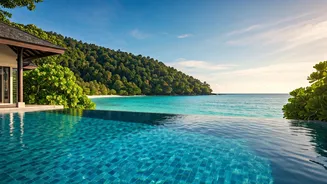




Embrace Island Time on Havelock
The journey itself sets the pace. After flying into Port Blair, the capital, a ferry ride is your gateway to the outer islands. Most travelers start at Swaraj Dweep, better known as Havelock Island. While it’s the most developed of the isles open to tourism,
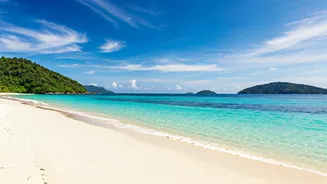
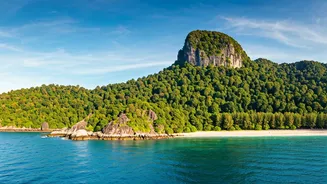
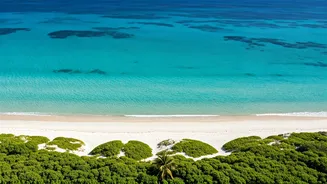
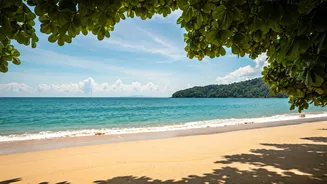
its version of “busy” is a world away from Bali or Phuket. Here, slow travel isn’t a trend; it’s a necessity. The Wi-Fi is patchy at best, forcing you to look up from your screen and into the emerald canopy of the jungle that lines the shores. Days on Havelock are measured in scooter rides down quiet, winding roads, long lunches at laid-back cafes, and hours spent at Radhanagar Beach (Beach No. 7). Despite being crowned one of Asia’s best beaches, its sheer size means you can always find a secluded stretch of pristine white sand to call your own, especially if you walk a few hundred yards from the main entrance.
Find a Slower Gear on Neil Island
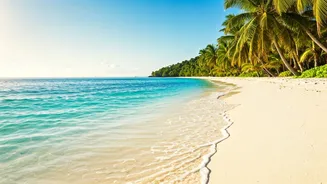
If Havelock is the gentle introduction, Shaheed Dweep (Neil Island) is the masterclass in slowing down. A smaller, flatter, and more agrarian sibling, Neil is best explored on a rented bicycle. The entire island can be circled in a couple of hours, but the point is not to rush. The main “town” is a small, dusty market, and the beaches—Bharatpur, Sitapur, and Laxmanpur—are defined by their distinct personalities. Sitapur is the sunrise point, a dramatic curve of sand often empty in the early morning. Laxmanpur Beach, with its natural coral bridges and sprawling sunset views, is where visitors and locals alike gather in quiet reverence as the day ends. On Neil, your schedule is dictated by the sun and your appetite. There are no malls, no nightclubs, and no pressure to do anything other than simply be.
Discover a Digital Detox by Default
For many, the idea of a vacation without reliable internet is a source of anxiety. In the Andamans, it’s a blessing. The limited connectivity isn't a bug; it's a feature. It forces you to disconnect from the endless scroll and reconnect with your surroundings. Instead of checking emails, you watch hermit crabs skitter across the sand. Instead of posting to Instagram, you have an uninterrupted conversation with a local chai-wallah. This forced digital detox is a core tenet of slow travel. It quiets the external noise, allowing you to become more present and observant. You start to notice the changing colors of the water, the sounds of exotic birds in the jungle, and the simple pleasure of reading a book in a hammock without a single notification to distract you.
Connect With the Ocean's Rhythm
The real magic of the Andamans lies beneath the waves. The islands are surrounded by some of the most vibrant and untouched coral reefs in the Indian Ocean. Slow travel here means dedicating a day not to a whirlwind tour but to a single, immersive experience. Sign up for a discover scuba dive or a snorkeling trip with a local, reputable operator. Instead of hopping between three spots in an hour, you’ll spend the morning exploring one reef, learning the names of the fish, and floating weightlessly in the warm, turquoise water. The experience is meditative. Following a school of parrotfish or watching a sea turtle glide by fosters a profound sense of peace and a connection to the natural world that a fast-paced tour can never replicate.
It's About What You Don't Do
Ultimately, the perfection of the Andaman Islands for slow travel lies in what's missing. There are no sprawling resorts, no aggressive vendors, and no pressure-filled itineraries. The emptiness of the beaches isn't just physical; it's a mental space. It's the freedom from the obligation to be entertained. The joy comes from the simple, unplanned moments: discovering a deserted cove on a morning walk, sharing a fresh coconut with your feet in the sand, or simply sitting still and watching the sunset paint the sky without feeling the need to capture it for anyone else. It’s a place that doesn’t demand your attention but gently invites it, rewarding those who take the time to listen.