


The New Definition of a Good Meal
For decades, the Indian meal was primarily defined by tradition, regional heritage, and the satisfying feeling of a full stomach. A home-cooked meal, lovingly prepared using family recipes, was the gold standard. While that appreciation for tradition remains,
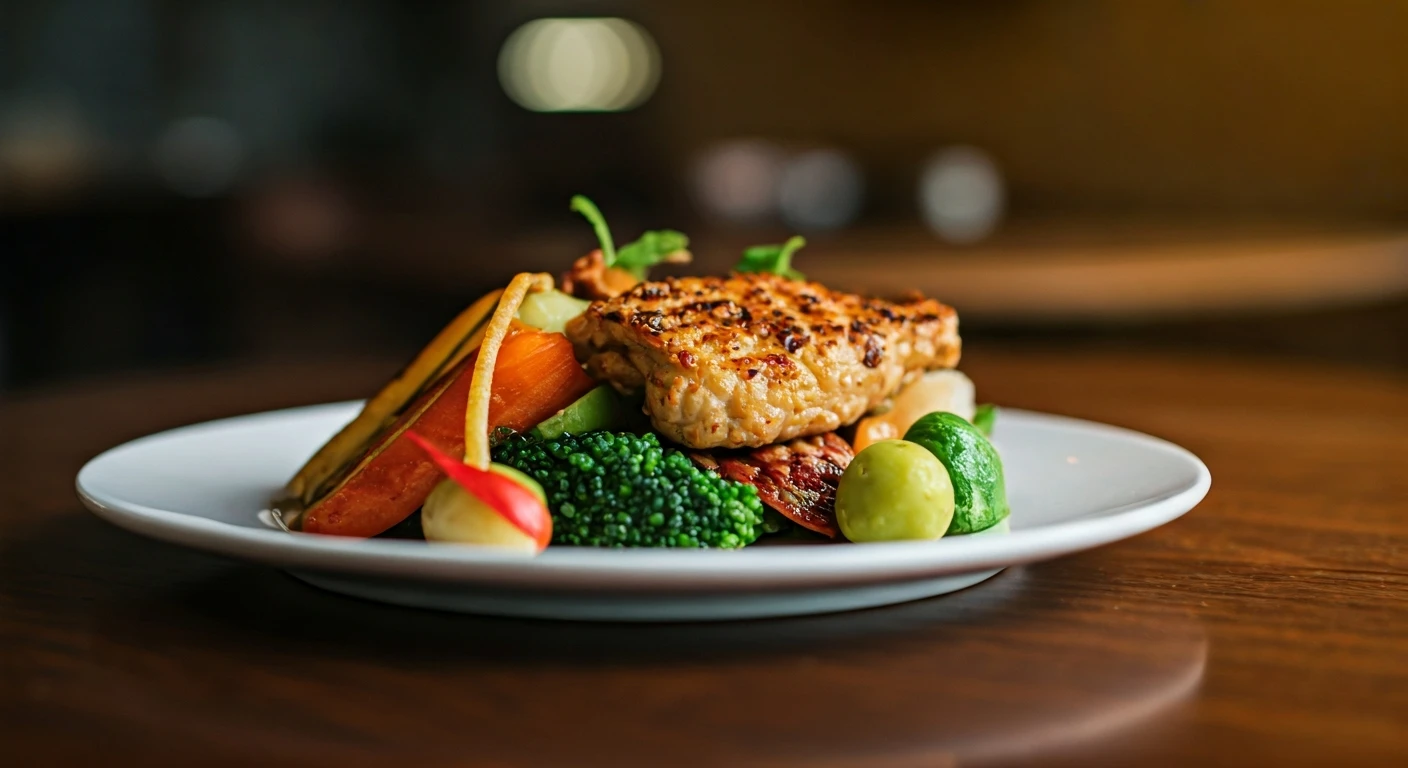
the definition of a quality meal has expanded dramatically. Today, 'more' doesn't mean a larger portion; it means more nutrition, more convenience, more transparency, and more of a global experience. This shift is a direct reflection of a changing India—a nation experiencing rapid urbanization, rising disposable incomes, and unprecedented access to global information through the internet. As millions enter the middle class, their aspirations are changing, and their plates are the first place to look for evidence.
From Fullness to Fitness
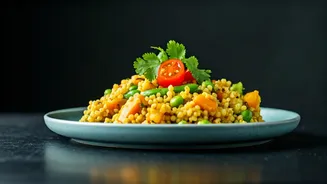
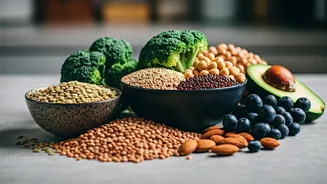
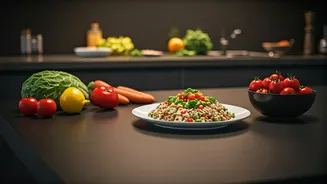
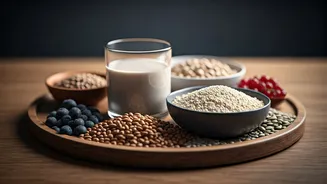
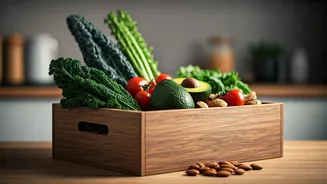
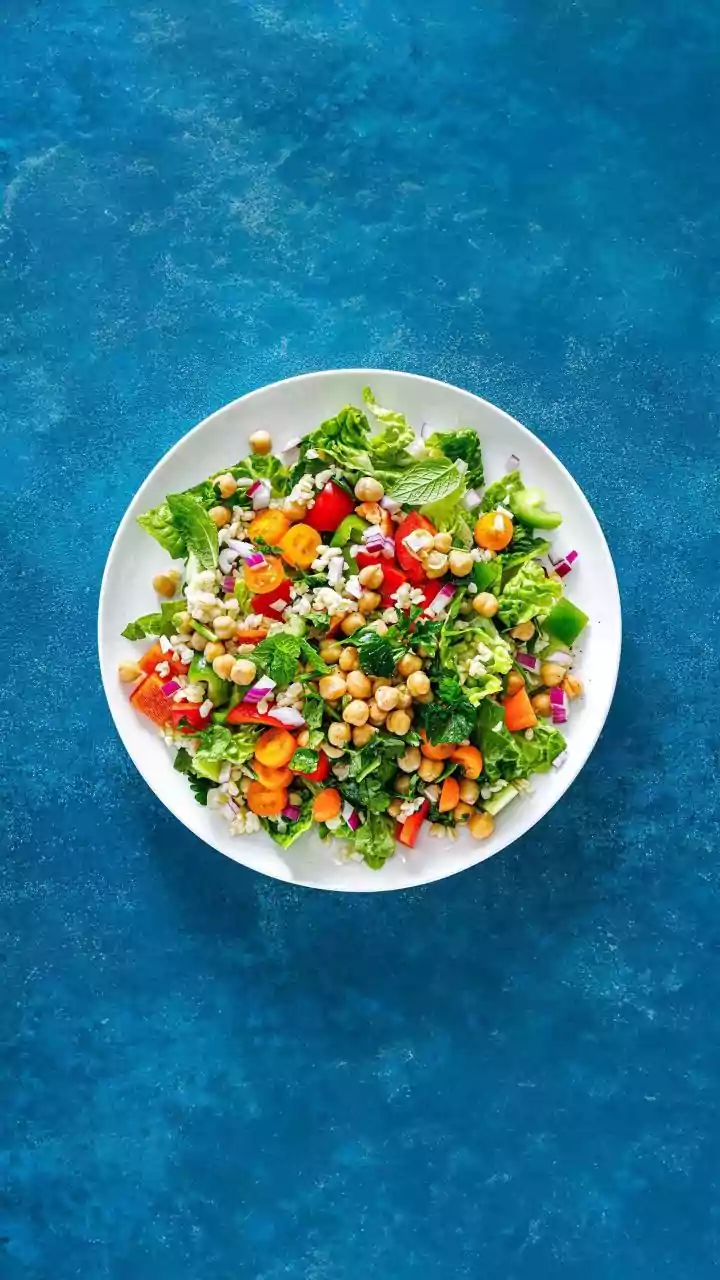
One of the most significant demands is for healthier options. With a growing awareness of lifestyle-related health issues, Indian consumers are actively seeking out foods that do more than just fill them up. They want functional benefits. This has fueled a massive boom in products labeled organic, low-sugar, high-protein, and fortified with vitamins. Ancient grains like millet are making a major comeback, championed for their nutritional profile, while foreign 'superfoods' like quinoa and chia seeds are no longer niche products found only in specialty stores. The demand for “clean labels”—short, recognizable ingredient lists—is also on the rise. Consumers are scrutinizing packaging, moving away from highly processed items toward brands that can promise wellness without sacrificing flavor.
The Quest for Convenience
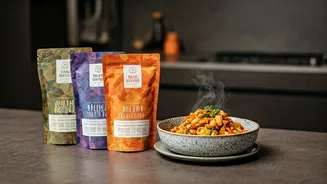
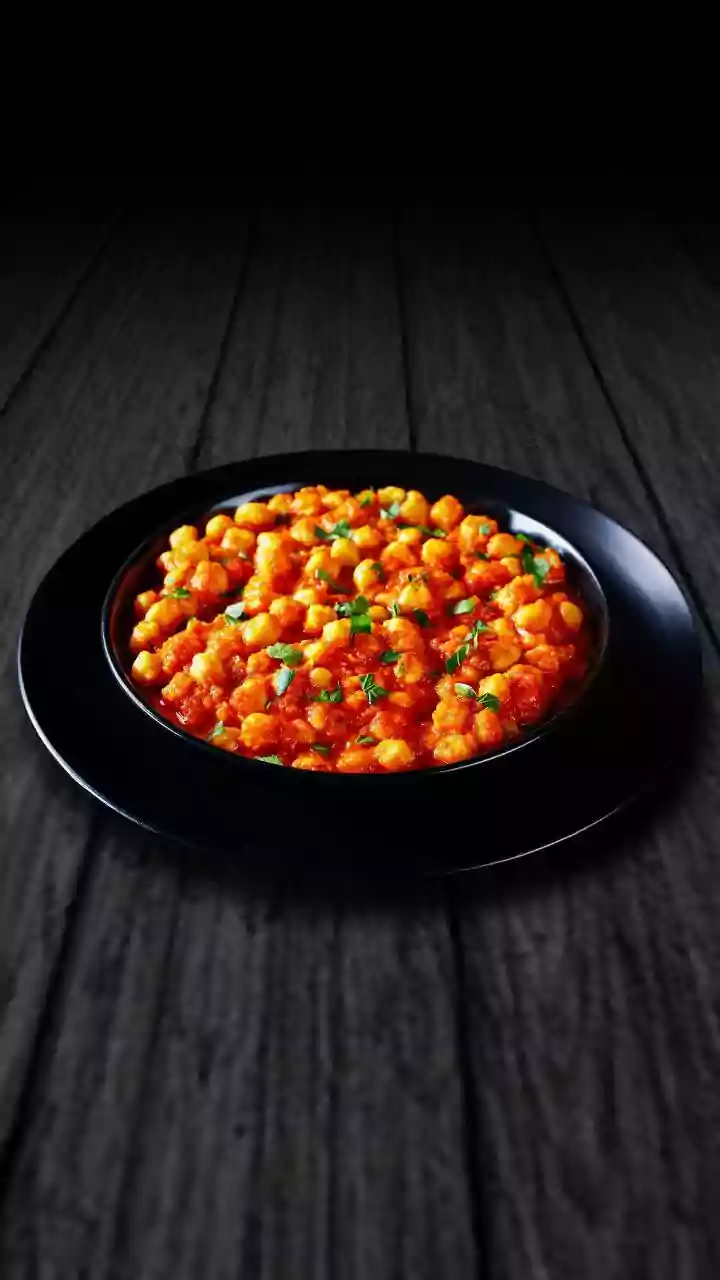
Urban life in India is increasingly fast-paced. Long commutes, demanding jobs, and the rise of dual-income households mean that the time available for elaborate home cooking is shrinking. This has created an enormous market for convenience, but with a distinctly Indian twist. Consumers don't want the bland TV dinners of America's past. They want convenient options that are also healthy and taste authentic. This has led to a surge in high-quality, ready-to-eat meals that replicate complex regional dishes, as well as innovative meal kits that provide pre-portioned ingredients for a quick, home-cooked experience. Food delivery platforms have also exploded, offering everything from a traditional thali to a gourmet salad, delivered in minutes. The winning formula is simple: save time without compromising on health or authenticity.
An Appetite for the World
Thanks to the internet, social media, and more accessible international travel, the Indian palate has gone global. A generation ago, foreign cuisine was a rare luxury. Today, consumers in major cities are as comfortable ordering a wood-fired pizza or a bowl of ramen as they are a biryani. But their expectations have also matured. They are no longer satisfied with “Indian-ized” versions of global dishes. They want authenticity. This has created opportunities for restaurants and brands that can deliver genuine international flavors. This quest for global tastes is also a form of social currency and aspiration—a way to signal one’s worldliness and modern outlook. It’s about experiencing the world, one bite at a time, without having to leave your city.
The Billion-Person Opportunity
For international companies, this shift represents one of the biggest consumer opportunities on the planet. The Indian food and grocery market is a multi-hundred-billion-dollar industry that is still growing at a staggering rate. However, success is not guaranteed. Brands, both domestic and foreign, are learning that they cannot simply push existing products onto the Indian market. They must listen to this new, discerning consumer who reads labels, values health, demands convenience, and has a globally-attuned palate. The companies that thrive will be those that innovate to meet these complex demands, offering products that blend modern needs with traditional tastes. From American fast-food giants adding plant-based options to Swiss food conglomerates launching new lines of fortified products, the race to capture the new Indian appetite is well underway.