


An Ancient Crop's Modern Makeover
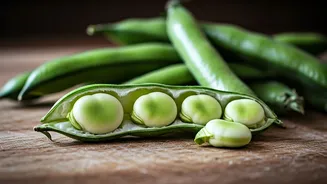
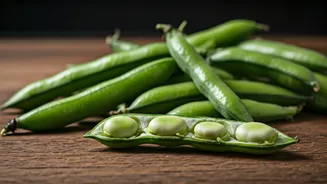
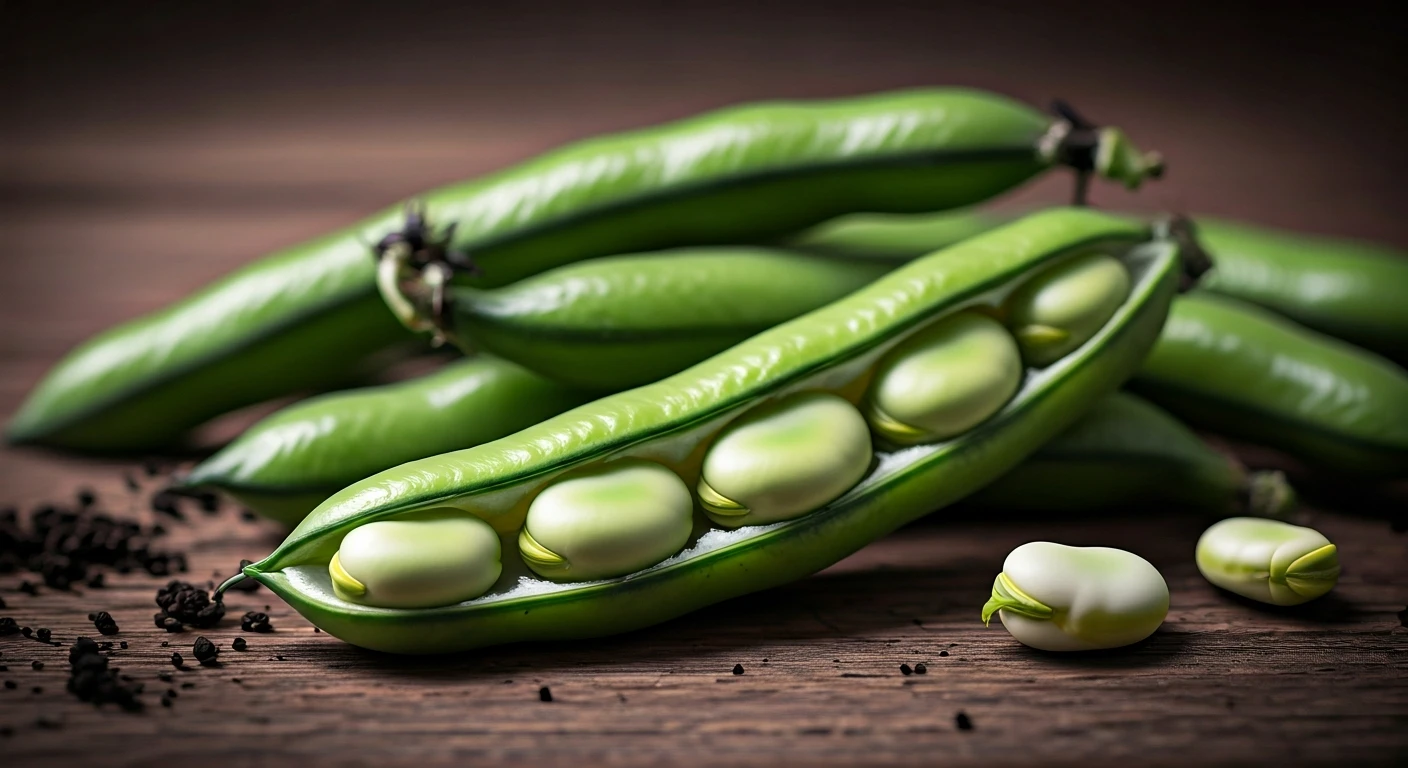
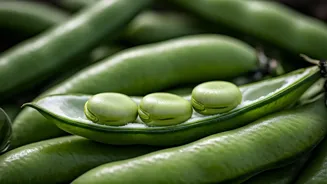
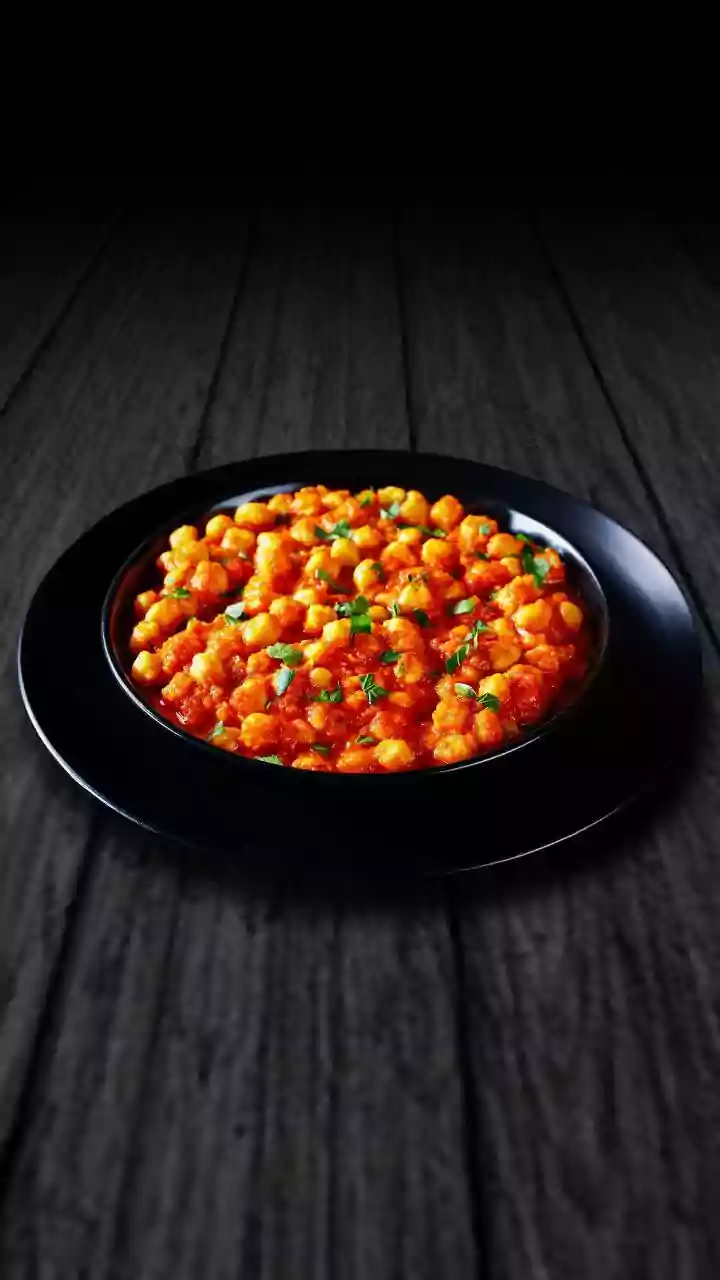
Fava beans, also known as broad beans, are anything but new. They’re one of the world's oldest cultivated plants, with a history stretching back thousands of years across the Middle East, Europe, and Africa. For most of us in the U.S., they’ve been a niche
item—something you might find canned in the international aisle or served at a Mediterranean restaurant. But the fava bean currently capturing the food industry’s attention isn’t the one in your grandma’s soup. We’re talking about fava protein isolate, a highly concentrated powder that’s turning out to be a food science game-changer. As innovators hunt for the perfect plant-based ingredients, they’ve rediscovered fava’s unique potential, transforming it from an old-world staple into a high-tech tool for creating the next generation of foods.
The Functional Secret Weapon
The real reason to watch fava beans has less to do with protein content alone and more to do with *functionality*. Plant proteins often struggle to replicate the texture and behavior of animal-derived ingredients like eggs and dairy. This is where fava shines. Fava protein has impressive foaming, gelling, and emulsifying properties. In plain English, it can help create creamy plant-based yogurts, stable vegan mayonnaises, and even fluffy, egg-free meringues. Its ability to bind water and oil makes it a superior choice for crafting moist plant-based burgers and sausages that don't fall apart. While pea protein can sometimes have a distinct, earthy aftertaste and a gritty texture, fava protein is known for its relatively neutral flavor profile, making it far easier for food companies to work with. It's the ingredient that solves problems, allowing for cleaner labels with fewer masking agents or texturizers.
A Win for the Planet
The appeal of fava beans extends from the kitchen to the farm. As a legume, fava is a nitrogen-fixing crop. This means it collaborates with bacteria in the soil to pull nitrogen from the air and convert it into a natural fertilizer. As a result, farmers growing fava beans can use significantly less synthetic fertilizer, reducing both costs and the environmental runoff that pollutes waterways. This natural soil enrichment makes it an excellent rotational crop, improving soil health for whatever is planted next. In an agricultural system increasingly focused on sustainability and regenerative practices, the fava bean isn't just a product; it's part of a healthier farming cycle. This eco-friendly halo adds another powerful layer to its marketing story, appealing to environmentally conscious consumers.
Beyond the Usual Allergens
Another major advantage fava holds over the incumbent champion, soy, is its allergen profile. Soy is one of the “Big Nine” major allergens in the U.S., requiring specific labeling and excluding a significant portion of the population. While pea protein has benefited from being a non-soy alternative, fava provides another powerful option. It isn't classified as a major allergen, which makes it an attractive ingredient for companies aiming to create products with the broadest possible appeal. For parents of children with soy allergies or adults who avoid it for health reasons, fava-based products offer a new, safe, and effective alternative for everything from milk to meat substitutes.
An Important Health Caveat
Despite its many benefits, the fava bean comes with one critical and non-negotiable warning. It can be dangerous for individuals with a specific genetic disorder called Glucose-6-Phosphate Dehydrogenase (G6PD) deficiency, which is most common in people of African, Mediterranean, and Southeast Asian descent. For these individuals, consuming fava beans can trigger a condition called favism, a severe anemic reaction that causes red blood cells to break down. While G6PD deficiency is not universally common, it’s a serious consideration. As fava protein becomes more ubiquitous as a hidden ingredient in processed foods, clear labeling will be more important than ever to ensure consumer safety. It's a reminder that no single food is a perfect solution for everyone.