

What is Warm Minimalism?
At its core, warm minimalism is the antidote to the stark, gallery-like interiors that once defined minimalist design. It keeps the best parts of the philosophy—uncluttered spaces, clean lines, and intentionality—but infuses them with a much-needed dose
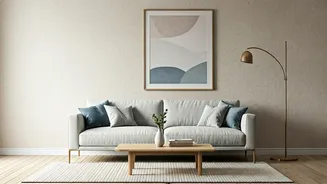
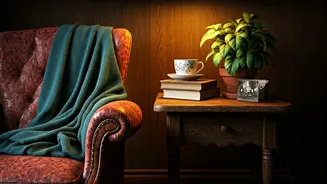
of comfort and personality. Think of it as minimalism with a soul. Instead of focusing solely on the absence of things, it emphasizes the careful selection of items that are not only functional but also bring joy, texture, and a sense of history to a space. The goal isn't an empty room; it's a calm, curated environment that feels like a deep, relaxing exhale after a long day.
The Earth-Inspired Color Palette
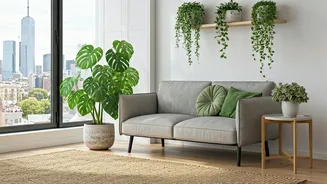
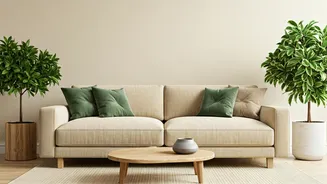
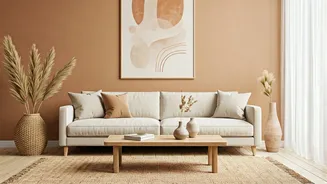
The foundation of any warm minimalist home is its color scheme. Move away from cool grays and stark whites and embrace a palette drawn directly from nature. These are colors that feel grounded and soothing. Think of creamy off-whites, the soft beige of oatmeal, the rich warmth of terracotta, and the muted greens of sage and olive. These hues act as a neutral, calming backdrop. Pops of deeper colors like charcoal, rust, or chocolate brown can be used as accents to add depth and prevent the space from feeling one-note. The key is to create a cohesive, low-contrast look that feels soft on the eyes.
Embrace Natural Materials
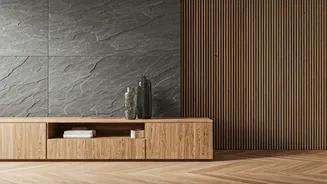
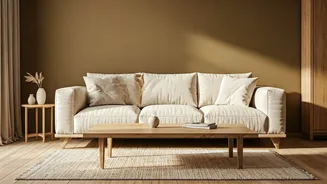
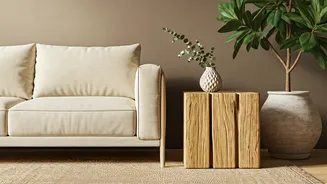
To build on that earthy palette, texture and material are everything. Warm minimalism celebrates the imperfect beauty of natural elements. This means light-toned woods like oak and ash for furniture and flooring, which add warmth without visual weight. It means incorporating stone, whether it's a marble coffee table or a travertine side table, for a touch of organic elegance. Textiles are equally important. Swap out synthetic fabrics for linen curtains that diffuse light beautifully, chunky wool throws for the sofa, and jute or sisal rugs to ground the room with natural texture. These materials engage the senses and connect the indoor space to the outside world.
Layering Textures for Depth
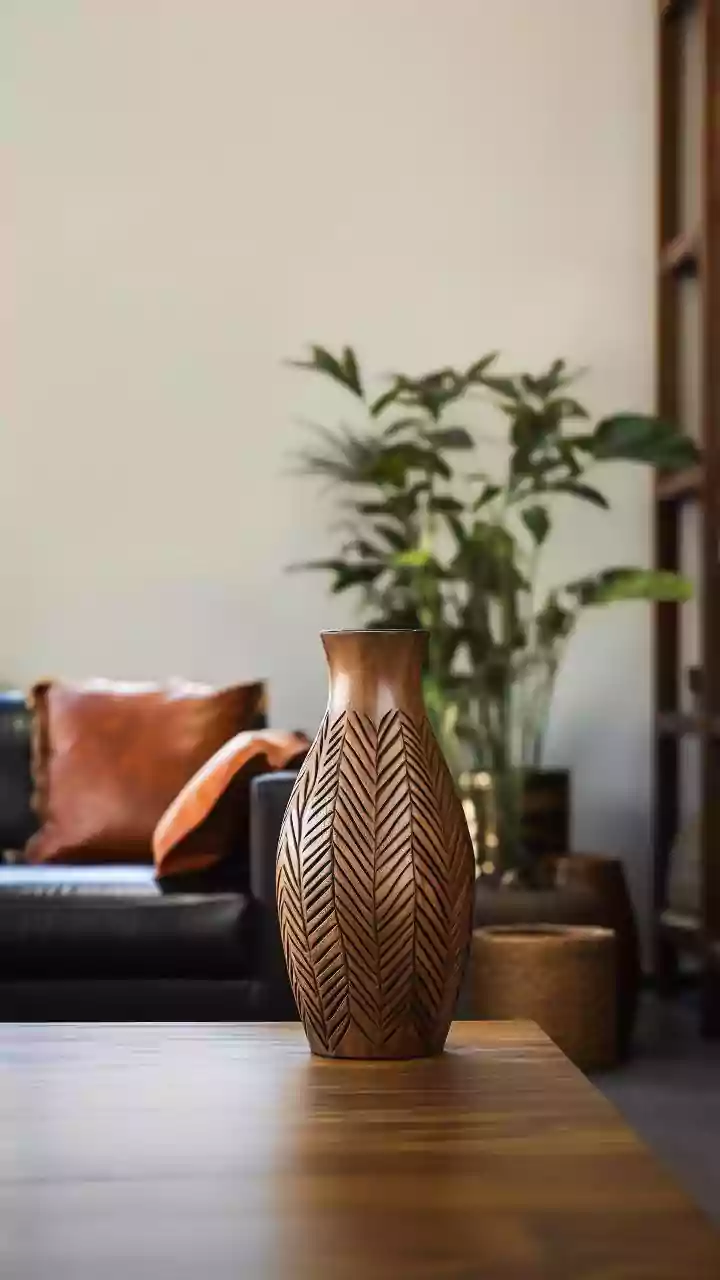
A room filled with only flat, smooth surfaces can feel lifeless, no matter how beautiful the colors. The secret to a successful warm minimalist interior is textural layering. This is what creates visual interest and that coveted cozy feeling. Imagine a smooth leather armchair draped with a nubby bouclé pillow. Picture a sleek wooden dining table set with rough-hewn ceramic plates. Layer a soft wool rug over a natural fiber base. These combinations of hard and soft, rough and smooth, are what give the space its character and prevent it from feeling sterile. It’s a tactile experience as much as a visual one.
Curated, Not Cluttered
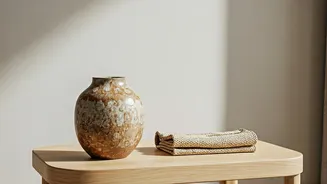
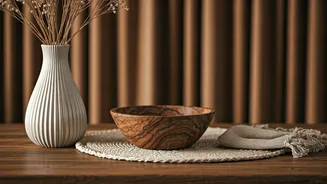
This is where the 'minimalism' part comes back into focus. A warm minimalist home is not about having nothing; it's about making sure everything has a purpose or brings you joy. It's the ultimate practice of conscious consumption. Instead of filling shelves with generic decor, you might display a single piece of handcrafted pottery, a favorite art book, or a vase with a few elegant branches. Furniture should be chosen for its form and function, with an emphasis on quality craftsmanship that will last. This approach reduces visual noise and allows each carefully selected item to truly shine, telling a story about the people who live there.
The Magic of Soft Lighting
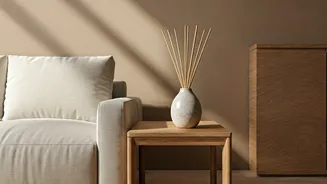
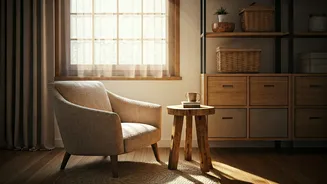
Finally, no sanctuary is complete without the right lighting. Harsh overhead lighting is the enemy of a warm, inviting atmosphere. Instead, focus on creating pools of light throughout the room. Utilize a mix of sources: a sculptural floor lamp in a reading corner, a warm-toned table lamp on a console, and perhaps dimmable track lighting to highlight artwork. Maximize natural light during the day with sheer curtains. In the evening, aim for a warm glow (look for bulbs around 2700K) that makes the space feel intimate and relaxing. Lighting is one of the most powerful tools for setting the mood and completing your urban oasis.