



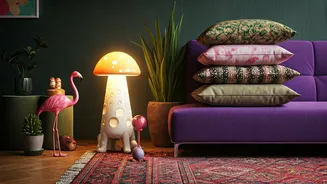
The Slow Collapse of the Beige Empire
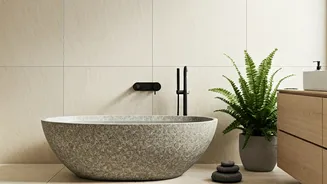
Remember the 2010s? It was the decade of the 'greige' revolution. Every aspirational living room on Pinterest and Instagram was a study in restraint: a clean-lined neutral sofa, a jute rug, a single fiddle-leaf fig in the corner, and perhaps a stark,
abstract print on the wall. This minimalist aesthetic, championed by influencers and home renovation shows, promised a calm, uncluttered life. It was clean, sophisticated, and, above all, safe. But after years of living inside these muted, inoffensive boxes—a feeling amplified by pandemic lockdowns—a collective fatigue set in. The aesthetic that once felt serene began to feel sterile. The internet even coined a term for its sad, soulless offspring: 'sad beige children's' toys and decor. The desire for a home that looked like a catalog page was replaced by a craving for a home that felt like, well, a home.
Defining the 'Silly' in Silly-Maxxing
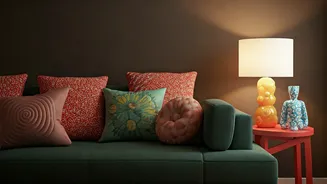
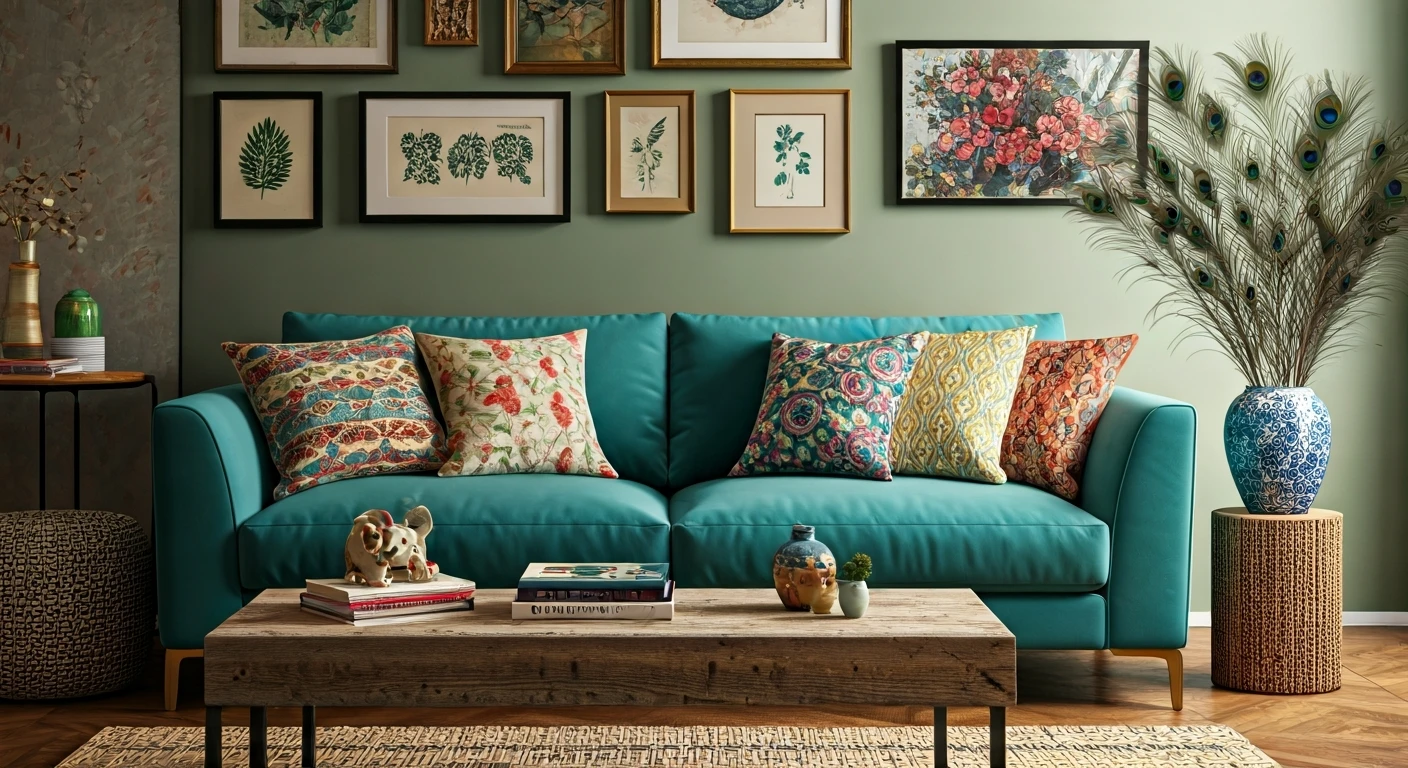
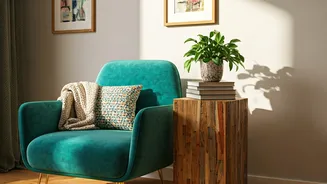
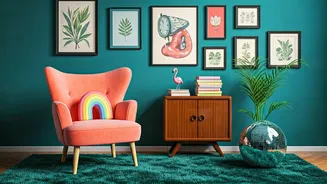
Enter 'silly-maxxing,' a term bubbling up from social media platforms like TikTok. It’s a more playful, less self-serious cousin of maximalism. While traditional maximalism is about 'more is more'—more pattern, more color, more texture—silly-maxxing is about 'more of *me* is more.' It champions a decorating style that prioritizes personality, humor, and nostalgia over any established design rules. Think a ceramic hot dog-shaped ring holder next to a vintage lace doily. Think clashing patterns, walls of mismatched thrift-store art, and cherished trinkets from your childhood displayed with pride. It's the polar opposite of a space designed to be palatable to a theoretical future buyer. It’s a space designed to make the current inhabitant laugh, remember, and feel utterly at ease. It's not about being messy; it's about being meaningful.
The Psychology of Dopamine Decor
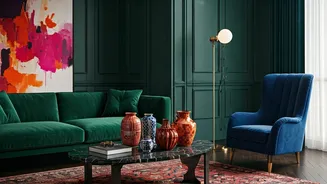
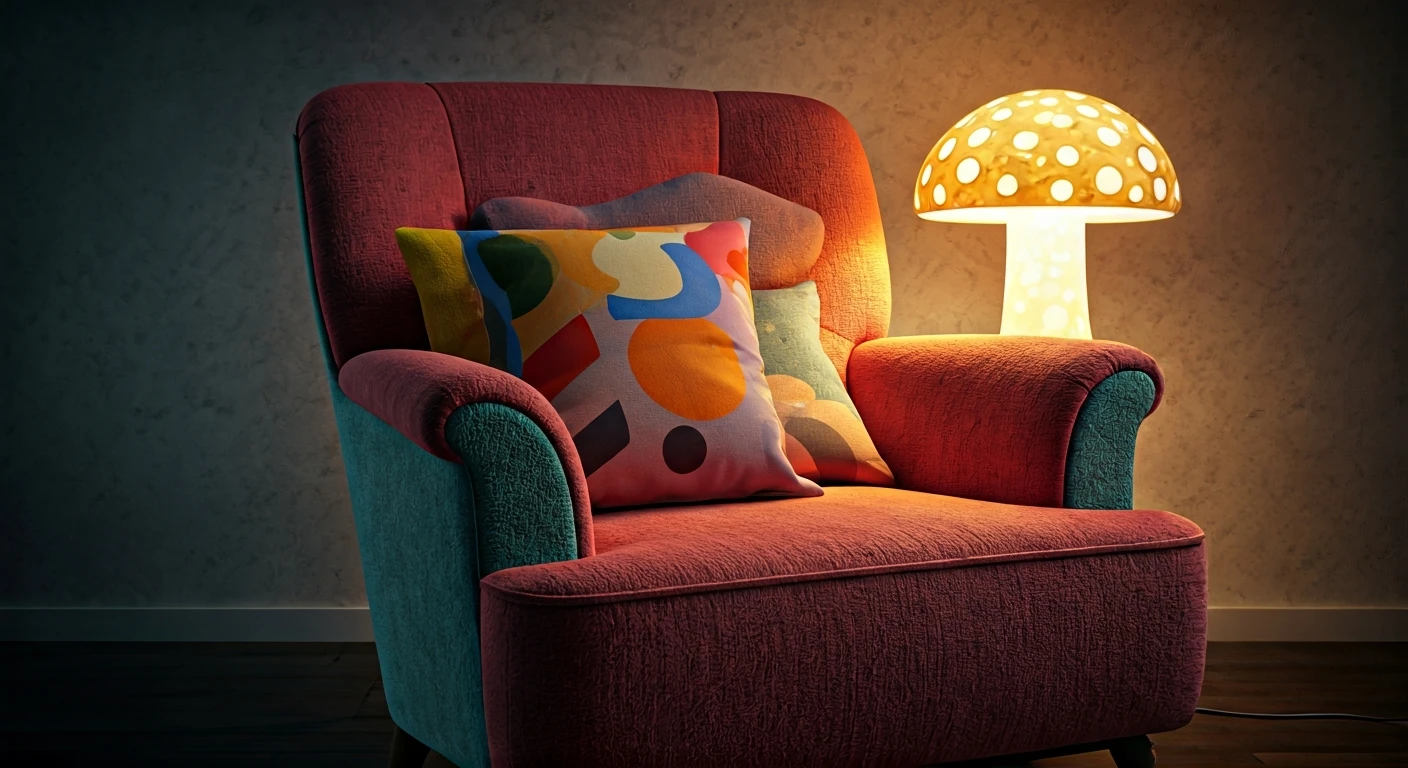
This movement isn't just about aesthetics; it's rooted in a psychological shift. Designers and trend-watchers call it 'dopamine decorating'—the practice of intentionally filling your home with things that trigger joy, energy, and happiness. In a world of endless stress and grim news cycles, your home becomes a sanctuary of delight. A bright yellow accent wall, a ridiculous mushroom-shaped lamp, or a gallery of your friends' goofy photos can provide a tangible mood boost. The 'silly-maxxing' ethos rejects the idea that your home should be a quiet, neutral backdrop. Instead, it argues your home should be an active participant in your well-being, a vibrant and dynamic environment that stimulates and comforts you. Every object doesn't have to be a masterpiece, but it should spark something—a memory, a smile, or a moment of simple pleasure.
An Antidote to Curated Perfection
Perhaps most importantly, 'silly-maxxing' is a direct antidote to the pressure of online perfection. The minimalist beige era was deeply intertwined with the rise of the influencer, promoting a life that was as curated and flawless as a magazine spread. It was a performance. Silly-maxxing is the opposite; it's an embrace of authenticity. It celebrates the weird, the quirky, the beautifully imperfect collections we accumulate over a lifetime. It gives permission to love that kitschy souvenir, to hang your kid's art next to a 'real' painting, and to choose a couch because it's comfortable and outrageously orange, not because it fits a prescribed color palette. It’s a declaration that your home is for living in, not for staging. The ultimate goal isn't to be featured on a design blog, but to walk through your front door and feel an immediate, profound sense of joy and recognition: 'Yes, this is me.'