

The Dirt on Going Soil-Free
Let’s get one thing straight: plants don’t actually need soil. They need water, nutrients, oxygen, and support for their roots. Soil is just one way to deliver all that, and frankly, it’s often a messy and inefficient one. It can compact, harbor pests,
and make watering a guessing game.
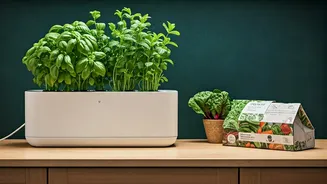
Soilless growing simply means swapping dirt for a different delivery system. This could be plain water, a sterile substrate like clay pebbles, or even just air. The core principle is the same: you provide the plant with a stable structure for its roots and deliver a nutrient solution directly via water. It’s a cleaner, more controlled, and surprisingly intuitive way to keep plants, turning your focus from the medium to the plant itself.
Method 1: The Minimalist Water Garden
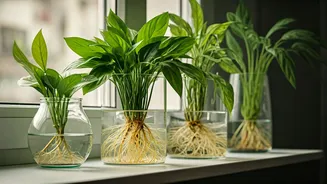
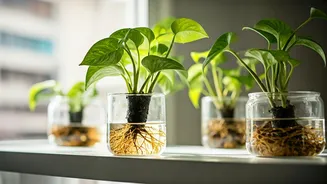
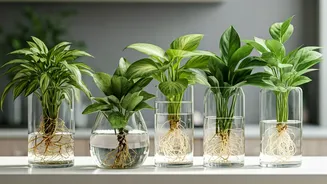
The simplest entry point is passive hydroponics, which sounds far more complicated than it is. In reality, it can be as easy as placing a plant cutting in a glass jar of water. For established plants, you simply wash the soil from the roots and place the plant in a vessel of water fortified with a specialized liquid fertilizer. That’s it. There’s no risk of overwatering because the roots are literally submerged, and you can see exactly when the water level is low.
This method is perfect for vining plants like pothos, philodendrons, and monsteras, which thrive in water. Watching their white, aquatic roots grow in a clear vase is a beautiful display in itself, offering a living art piece that traditional pots can’t match. It’s the ultimate low-maintenance setup for the forgetful (or over-attentive) plant parent.
Method 2: The Instagram Darling (LECA)
Scroll through any plant-focused social media feed and you’ll see it: pristine glass containers filled with uniform, earthy-red clay balls. This is LECA, or Lightweight Expanded Clay Aggregate. These sterile, porous pebbles are the star of a system called semi-hydroponics. The LECA balls don’t provide nutrients; they act as a stable, airy support structure. You place your plant’s cleaned roots among the pebbles and keep a reservoir of nutrient-rich water at the bottom of the pot. The clay balls wick the perfect amount of moisture up to the roots, preventing both rot and dehydration.
Why is it so tempting? LECA is clean, reusable, and aesthetically pleasing. It eliminates soil-borne pests and provides excellent aeration for roots, which many houseplants love. The initial transfer can be a bit of a project, but the long-term payoff is a tidy, beautiful, and highly effective growing system.
Method 3: The Ultimate Freeloader (Air Plants)
If even clay balls sound like too much work, meet the Tillandsia, or air plant. These fascinating plants are epiphytes, meaning in their native habitat they grow on other trees, not in the ground. They have no need for soil or any medium at all. Their specialized leaves absorb all the water and nutrients they need directly from the air.
Caring for them is laughably simple: place them somewhere with bright, indirect light and good air circulation. To water them, you simply dunk them in a bowl of water for about 30 minutes once a week, then shake them out and let them dry upside down to prevent rot. They are the definition of decorative, sculptural greenery—perfect for mounting on driftwood, placing in a terrarium, or just setting on a bookshelf. No pot, no soil, no problem.
Is It Worth the Switch?
Going soilless isn't for every plant or every person, but its appeal is undeniable. The primary benefits are cleanliness and control. You can say goodbye to tracking dirt through your home and waging war on fungus gnats. You gain a crystal-clear understanding of your plant's water needs, virtually eliminating the dreaded 'is it thirsty or did I drown it?' dilemma.
The main drawback is the initial setup. You have to thoroughly clean your plant’s roots, which can be delicate work, and purchase specific hydroponic nutrients, as plain water lacks the minerals found in soil. But once you’re past that initial hurdle, the maintenance is often significantly easier.