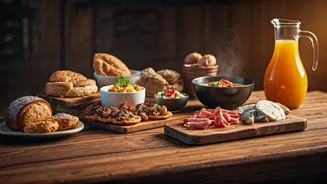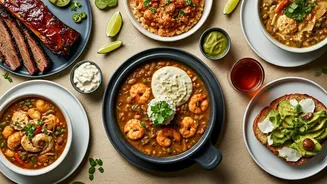





What is a Food-Led Escape?
At its heart, a food-led escape is a trip where the primary motivation isn't a museum, a theme park, or a historical monument—it's a dish, a restaurant, a specific regional ingredient, or a buzzing food scene. Think driving three hours not just to *see*
a coastal town, but to eat the definitive lobster roll from a specific seaside shack you saw on Instagram. It’s about prioritizing taste of place over sight-seeing. This isn't just for globetrotting foodies anymore. The trend is hyper-local, fueled by a post-pandemic desire for meaningful, manageable, and authentic experiences that don’t require a passport or a massive budget. We’ve all become more aware of the gems in our own backyards, and chefs and producers in smaller towns and cities are getting national attention, making them worthy destinations in their own right.
The Search for Authenticity
So why the shift? Part of it is a reaction against the overly curated, checklist-style tourism of the past. A food-led trip offers something more elemental and genuine. You can’t fake a perfectly smoked brisket or a just-picked strawberry. Food provides a direct, sensory connection to a place's culture, history, and agriculture. Sharing a meal is a universal experience, and by focusing a trip on food, travelers are finding a more immersive way to understand a new place. It bypasses the tourist traps and takes you straight to the heart of a community: its markets, its diners, its farms, and its high-end kitchens. This approach turns a simple weekend away into a story—a quest for the best taco, the freshest cheese, or a life-changing bowl of ramen.
The Single-Ingredient Pilgrimage
One of the most popular forms of the food-led escape is the mission-driven pursuit of a single, iconic food item. This is about devotion. It’s about building a weekend around one perfect thing. Residents of the Northeast might plan a trip up the Maine coast, debating the merits of cold-with-mayo versus warm-with-butter lobster rolls at every stop. Texans might dedicate 48 hours to a BBQ tour of the Hill Country, standing in line for hours at legendary smokehouses in towns with more cows than people. Other examples include hitting the Green Chile Cheeseburger Trail in New Mexico, exploring Vermont's cheese-making dairies, or tasting your way through the oyster farms of the Pacific Northwest. The singular focus turns the trip into a delicious, satisfying treasure hunt.
The Urban Culinary Deep Dive
For city dwellers, the food-led escape can be as simple as exploring a neighboring metropolis with fresh eyes and an empty stomach. Instead of hitting the usual tourist spots, the goal is to experience the city through its culinary landscape. This could mean spending a weekend in Philadelphia ignoring the Liberty Bell in favor of a meticulously planned tour of cheesesteak joints, Reading Terminal Market, and South Philly's new-wave Italian restaurants. Or perhaps it’s a trip to Houston to dive into the incredible diversity of its Vietnamese and Nigerian food scenes. These trips are often powered by deep-dive blogs, social media food influencers, and TV shows that have turned neighborhood chefs into national stars. You're not just visiting a city; you're tasting its neighborhoods, one bite at a time.
The Farm-to-Table Retreat
Leaning into wellness and a slower pace, another popular escape involves getting as close to the source as possible. This means heading out to the countryside for a farm-to-table experience. It might be a stay at a boutique hotel or inn that boasts its own vegetable garden and a restaurant that builds its menu around the daily harvest. It could be a trip to wine country, like the Finger Lakes in New York or Virginia's burgeoning vineyards, where the wine tasting is paired with locally sourced charcuterie and produce. These escapes are about more than just eating; they’re about understanding the ecosystem of food. You might talk to the farmer, walk through the fields where your salad was grown, and enjoy a meal that is a pure expression of that specific time and place.