






First, What Is Functional Fitness?
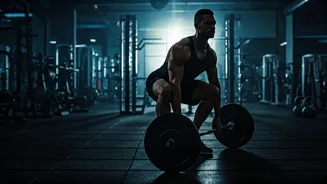
Before we dive into what’s happening in Mumbai or Bangalore, let’s get on the same page. Unlike bodybuilding, which isolates muscles for aesthetic goals, functional fitness trains your body for activities performed in daily life. Think lifting a heavy
suitcase into an overhead bin, carrying groceries, or playing with your kids without throwing your back out. The movements are compound—engaging multiple muscle groups at once. We're talking squats, deadlifts, push-ups, and farmer's carries. It’s the philosophy that your body is a tool, not just an ornament, and your workouts should prepare it for the practical demands of living.
The New Engine: India's Urban Middle Class
So, why is this trend exploding in India right now? The answer lies in the country’s rapid urbanization and the rise of a massive, young, and globally-connected middle class. With more disposable income and desk jobs leading to sedentary lifestyles, there's a newfound urgency around health and wellness. This isn't your parents' generation. The new Indian professional is exposed to global trends via social media, works in a competitive corporate environment, and is looking for outlets that are both healthy and social. Chains like Cult.fit (now part of Cure.fit) have become unicorns by packaging functional fitness, from boxing to strength & conditioning, into slick, accessible, app-driven experiences that resonate with this modern, tech-savvy demographic.
More Than a Western Import
It’s easy to dismiss this as another case of Westernization, but that misses the story. While inspired by global movements like CrossFit, functional fitness in India is being adapted with a distinctly local flavor. Trainers are integrating principles from yoga and other traditional Indian physical cultures. The community aspect, crucial in a society that values collective experience, is amplified. Workouts become a social hub, a 'third place' away from home and the office. Furthermore, nutrition advice is tailored to Indian diets, swapping whey protein recommendations with discussions on paneer, lentils, and other local protein sources. It’s a process of adaptation, not just adoption.
A Signal of Broader Change
The rise of functional fitness isn’t just about getting strong; it’s a powerful symbol of aspiration and changing social norms. For many, especially women, embracing strength training is a quietly radical act that challenges traditional ideas of femininity. Stepping into the weights section of a gym is a statement of empowerment. The community formed in these gyms creates new social networks, sometimes crossing traditional class and caste lines. It's a microcosm of a new India: forward-looking, globally aware, and increasingly focused on individual well-being as a cornerstone of success. It signifies a shift from a collectivist, fate-driven mindset to one that champions personal agency and self-improvement.