

The Tyranny of the 'Quick Fix'
For decades, the arrival of warmer weather has been preceded by a marketing blitz aimed directly at our insecurities. The message was always the same: you are not ready for summer, but with our product, you can be—fast. This is the essence of shortcut
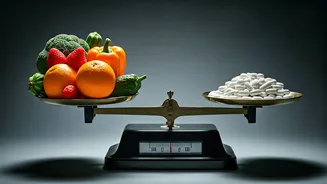
culture. It’s the seven-day juice cleanse promising to reset your system, the punishing HIIT program that guarantees to “shred” you in four weeks, and the appetite-suppressant lollipops hawked by influencers. This cycle was built on a foundation of urgency and inadequacy. It capitalized on the idea that wellness is a temporary state to be achieved for a specific event, like a vacation or a season, rather than an ongoing practice. The problem? These shortcuts rarely deliver lasting results and often come at a cost. They can foster a negative relationship with food and exercise, leading to burnout, injury, or a yo-yo effect that leaves you feeling worse than when you started. It’s a business model that profits from a cycle of hope and failure, ensuring customers return next year for another fix.
Why the Backlash Was Inevitable
So, what changed? The shift away from shortcut culture wasn't a sudden epiphany but a slow-burning rebellion fueled by several cultural forces. The body positivity movement, and its more recent cousin body neutrality, laid the groundwork by challenging narrow, unrealistic beauty standards. It gave people the language to question why they felt the need to shrink themselves for summer in the first place.
Then came the pandemic, which fundamentally altered our collective relationship with health. Confined to our homes, many people began to see movement as a tool for mental clarity and stress relief, not just a means to burn calories. The focus shifted from aesthetics to resilience. Simultaneously, a younger generation, particularly Gen Z, grew up online and became acutely aware of—and resistant to—toxic diet culture and performative wellness. They championed authenticity and mental well-being, rejecting the filtered perfection that defined the previous decade of social media.
The Rise of 'Slow Wellness'
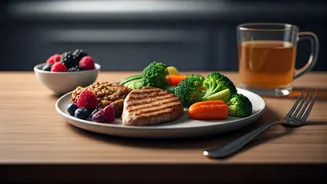
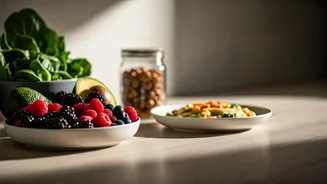
In place of shortcuts, a new philosophy is emerging: 'slow wellness.' It’s the antithesis of the crash diet. Instead of radical, temporary changes, it prioritizes small, sustainable habits that can be integrated into your life year-round. It’s less about a dramatic before-and-after photo and more about how you feel day-to-day. This approach favors adding things in, not just taking them away. Think less 'cut all carbs' and more 'add a side of veggies to every meal.'
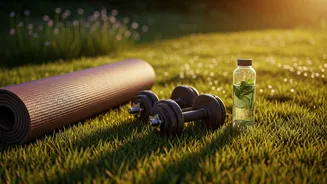
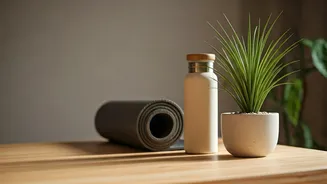
This movement rebrands exercise as joyful movement—finding an activity you genuinely love, whether it's hiking, dancing, pickleball, or simply taking a long walk, rather than forcing yourself through workouts you despise. It embraces intuitive eating, which encourages listening to your body's hunger and fullness cues. The goal isn't a specific weight or size by June 1st; it's building a foundation of health that supports you through all four seasons, for years to come.
What the New Summer Prep Looks Like
If the old summer prep was a frantic sprint, the new version is a steady jog. It’s starting the day with a glass of water and five minutes of stretching. It’s making sure your go-to lunch has a good source of protein to keep you full and energized. It’s swapping a punitive spin class for a weekly tennis match with a friend. It’s unfollowing social media accounts that make you feel bad about yourself and curating a feed that inspires you.
This approach doesn't mean ignoring health goals. You can still want to get stronger, improve your cardio, or eat more nutritiously. The difference is the timeline and the mindset. The pressure for a rapid, radical transformation is gone, replaced by a calmer, more compassionate focus on consistency. It’s understanding that true wellness isn't something you achieve in 30 days. It's a lifelong practice of taking care of yourself, one small, sustainable choice at a time—no matter what the calendar says.