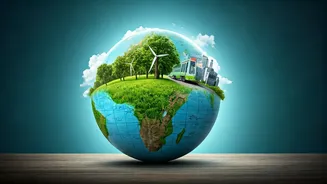







The New Layer of Decision-Making
For generations, planning a meal or a trip involved a simple calculus of cost, convenience, and desire. Is this restaurant in my budget? Can I get a direct flight? Do I feel like Italian tonight? But for a growing number of Americans, a new variable has
entered the equation: climate impact. This isn't about militant environmentalism or giving up everything you love. Instead, it’s a subtle but significant shift toward what you might call 'climate context.' It’s the background awareness that our individual choices, when multiplied by millions, have a collective weight. This shift is moving from the fringes to the mainstream, turning abstract fears about a warming planet into tangible decisions made at the dinner table and on booking websites. It’s less about a rigid set of rules and more about a developing intuition, a new lens through which we see our daily lives.
The Carbon-Conscious Diner
Nowhere is this shift more apparent than on our plates. The concept of a 'climatarian' diet—choosing foods with a lower carbon footprint—is gaining traction. This isn’t necessarily strict veganism, but a more flexible approach that prioritizes reducing consumption of high-impact foods, particularly beef and lamb. It's the person who swaps a beef burger for a chicken sandwich or opts for an Impossible Burger not just for the novelty, but because they've read about methane emissions from cattle. Food companies are responding. You can see this in the explosion of oat milk in cafes and the ever-expanding plant-based meat section at the grocery store. Some restaurants are taking it a step further. Chains like Panera Bread and Just Salad have experimented with carbon labeling on their menus, displaying the estimated emissions of each dish right next to the calorie count. This simple act transforms an abstract concept—the carbon footprint of food—into a concrete piece of data that can influence a lunch order. It’s a quiet signal that the environmental cost of our food is becoming as relevant as its nutritional cost.
Rethinking the Getaway
Travel, long seen as the ultimate symbol of freedom and reward, is also getting a climate-conscious makeover. The Swedish concept of 'flygskam,' or 'flight shame,' has trickled into the American consciousness, prompting travelers to question the necessity of frequent air travel, which is a significant source of individual carbon emissions. This has fueled interest in alternative ways to explore. 'Slow travel,' the practice of staying in one place for longer and immersing oneself in the local culture, is gaining popularity over whirlwind multi-city tours. There's also a renewed appreciation for domestic travel and exploring destinations closer to home. The classic American road trip is back, but with a new emphasis on seeing the country, not just flying over it. For those who still fly, carbon offsetting is becoming a common add-on at checkout, allowing passengers to donate a small amount to projects that reduce greenhouse gases. While the effectiveness of offsets is debated, their growing popularity shows a clear desire among travelers to mitigate their impact. Eco-lodges and hotels with transparent sustainability practices are also using their green credentials as a key selling point, betting that travelers will choose a hotel that recycles water or uses solar power over one that doesn’t.
Awareness, Not Perfection
This emerging trend isn't about achieving environmental perfection. Most people aren't selling their cars or vowing to never eat a steak again. Instead, it's about the gradual integration of climate awareness into the fabric of everyday life. It’s about making a series of small, informed trade-offs: choosing the train over a short-haul flight, eating meat a few times a week instead of daily, or buying produce from a local farm to reduce food miles. This movement is driven by information and a desire for personal agency. In a world grappling with a problem as massive as climate change, aligning your personal consumption with your values can feel like one of the few things you can control. Businesses are paying close attention, recognizing that sustainability is no longer a niche concern but a growing driver of consumer loyalty. The climate context isn't a fad; it's a new dimension of modern consumerism, and it’s here to stay.