



The Monsoon Tourism Makeover
Traditionally, the months from June to September meant a steep drop-off in Indian tourism. The relentless downpours were seen as an obstacle, not an attraction. But in recent years, a new appreciation for the monsoon’s transformative power has taken hold,
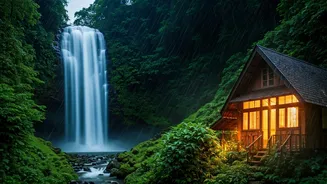
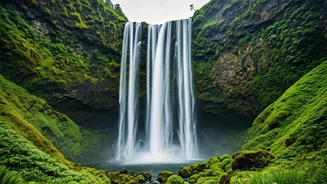
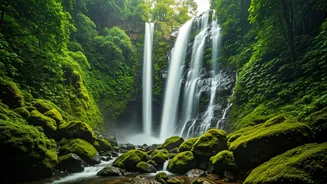
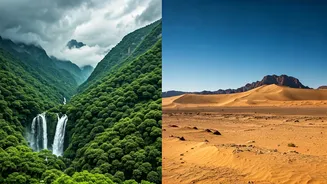
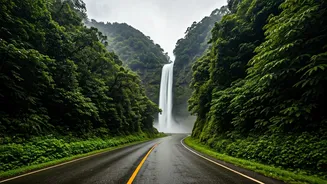
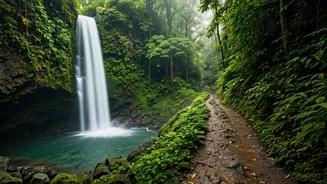
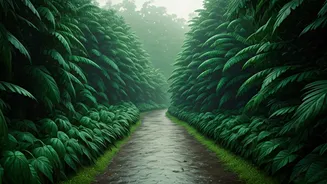
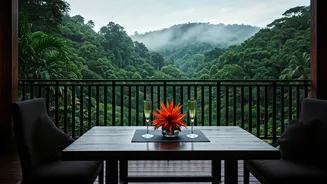
especially among domestic travelers. Instead of avoiding the rain, people are embracing it. They’re seeking out the lush, emerald-green landscapes and the roaring, magnificent waterfalls that only come to life during this season. This trend, dubbed “monsoon tourism,” has turned a perceived liability into a major asset. Fueled by social media and a growing desire for authentic, nature-based experiences, weekend trips to see waterfalls have become a seasonal ritual. It’s a move away from sanitized resorts and toward the raw, dramatic beauty of the Indian subcontinent at its most vibrant.
Dudhsagar Falls, Goa: The Sea of Milk
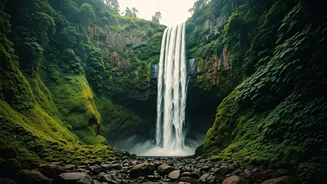
Perhaps no waterfall better exemplifies this trend than Dudhsagar Falls in Goa. Its name translates to “Sea of Milk,” a fitting description for the powerful, four-tiered cascade of white water that thunders down a mountainside. Located on the border of Goa and Karnataka, reaching Dudhsagar is an adventure in itself. During the monsoon, the final approach is often made by a rugged jeep safari through a lush national park and across rushing streams. A railway line dramatically crosses the falls midway up, and seeing a train traverse the bridge against the misty spray is an iconic, sought-after image. Once a niche trekker’s destination, Dudhsagar is now a monsoon pilgrimage site, drawing thousands who come to witness its sheer force when the Mandovi River is at its peak.
Athirappilly Falls, Kerala: India’s Niagara
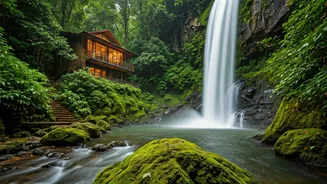
In the southern state of Kerala, often called “God’s Own Country,” the Athirappilly Falls command a legendary status. Widely known as the “Niagara of India,” this 80-foot-high, 330-foot-wide behemoth on the Chalakudy River is a sight to behold in the rainy season. Its immense power and cinematic beauty have made it a favorite location for Indian filmmakers, most famously featured in the epic blockbuster “Baahubali.” The viewpoint from the top offers a panoramic vista of the water crashing onto the rocks below, while a path leads down to the base for a truly immersive, thunderous experience. The entire area, part of a fragile riparian ecosystem, becomes a biodiverse paradise during the monsoon, attracting not just tourists but also nature lovers and birdwatchers.
Thoseghar Falls, Maharashtra: A Seasonal Spectacle
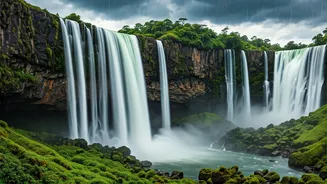
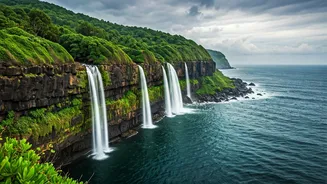
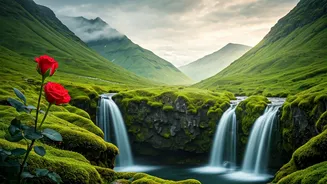
Not all of India’s great waterfalls flow year-round. In the Western Ghats mountain range of Maharashtra, near the city of Satara, lies Thoseghar Falls—a collection of cascades that exist almost exclusively during the monsoon. What makes this destination unique is that it’s not one but a series of waterfalls, including one large plunge and several smaller ones, that appear side-by-side along a verdant cliff. A well-maintained viewing platform allows visitors to safely take in the entire panorama. The appeal of Thoseghar is its ephemeral nature; it’s a spectacle you can only witness for a few months a year, making it a powerful draw for city dwellers from nearby Mumbai and Pune looking for a dramatic seasonal escape. It perfectly captures the essence of monsoon tourism: chasing a beautiful, temporary phenomenon.
Beyond the View: A Boost for Locals
This surge in waterfall-centric travel is doing more than just changing perceptions; it's creating a vital economic lifeline for local communities. In areas that once saw a near-total shutdown of tourist activity, the monsoon now brings a welcome rush. Small guesthouses, roadside eateries selling hot tea and roasted corn-on-the-cob, and local guides offering tours all thrive during these months. This seasonal economy provides supplementary income for agricultural communities and creates a more sustainable, year-round tourism model. It’s a grassroots-level boom, proving that the most powerful attractions don’t always need to be man-made monuments. Sometimes, they’re just water, gravity, and a whole lot of rain.