






An Invitation to Look Up
When a single event calendar lists more than 400 separate happenings, it’s no longer a niche interest; it’s a cultural movement. This is the reality of Archtober, New York City's month-long festival of architecture and design. What started in 2011 as
a way to promote a greater appreciation of the city's built environment has exploded into a sprawling, vibrant celebration that draws tens of thousands of participants. The sheer scale is staggering: hundreds of tours, lectures, exhibitions, and film screenings spread across all five boroughs. But the number isn't the real story. The real story is who these events are for. Dispelling the myth that architecture is a stuffy, academic field reserved for professionals, festivals like Archtober are a citywide invitation for everyone to look up, look closer, and engage with the spaces they inhabit every day.
The City as Your Campus
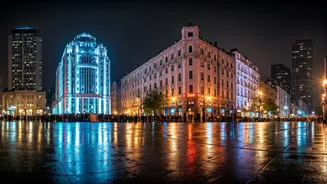
So, what does a 400-item itinerary actually look like? It’s less a rigid schedule and more a choose-your-own-adventure-style exploration of the city. One day might offer a behind-the-scenes tour of a new, sustainably-designed skyscraper that’s normally off-limits to the public. The next could be an architect-led walking tour of a historic neighborhood, revealing hidden stories etched in brownstone facades. You could find yourself on an architecture-themed boat tour circumnavigating Manhattan, gaining a perspective on the skyline that’s impossible from the street. Or you could attend a panel discussion where leading designers and city planners debate the future of affordable housing, public parks, and resilient coastlines. The offerings range from the highly technical to the purely experiential, ensuring there’s an entry point for everyone, from seasoned design aficionados to curious families looking for a unique weekend activity. It transforms the entire city into a living museum and an open classroom.
More Than Just Bricks and Mortar
While the visual thrill of seeing stunning buildings is a major draw, the conversations happening at these events are what give them lasting significance. Contemporary architecture festivals are increasingly becoming forums for discussing society’s most pressing issues. How can cities adapt to climate change? How can design promote social equity and justice? What does the future of work mean for office buildings, and what does the future of living mean for our homes? These are not abstract questions; they are explored through tangible examples and expert-led discussions. Events often focus on themes like sustainability, with tours of green roofs and buildings with cutting-edge energy systems. They tackle housing, with exhibitions on innovative co-living models and affordable development projects. By framing these complex topics through the lens of design, the festival makes them more accessible and demonstrates how architecture is inextricably linked to our collective future.
The New Appetite for Design
The explosive growth of architecture festivals in New York and other cities across the U.S. isn't happening in a vacuum. It speaks to a growing public appetite for understanding the world around us. In a post-pandemic era, many of us are rethinking our relationship with our homes, our offices, and our public spaces. We’ve become more acutely aware of how our environment affects our well-being, our productivity, and our sense of community. Furthermore, social media has turned everyone into an amateur photographer and critic of their surroundings, fostering a visual fluency and an interest in aesthetics. People want to know the story behind the photogenic building they just posted. These festivals tap directly into that curiosity, providing context, depth, and a social outlet for a shared interest in what makes a place special. They prove that an interest in architecture is, at its heart, an interest in people.