
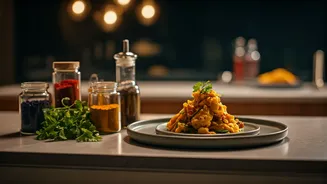
From Afterthought to Main Event
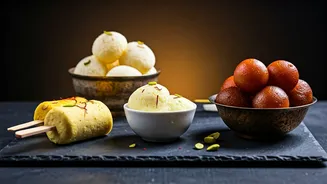
For decades, the dessert section of many U.S. Indian restaurant menus felt like an afterthought. After a vibrant feast of curries, tandoori meats, and buttery naans, the meal often concluded with a limited choice of familiar, intensely sweet items: a scoop
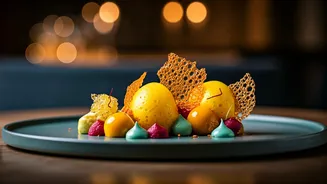
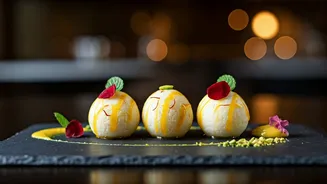
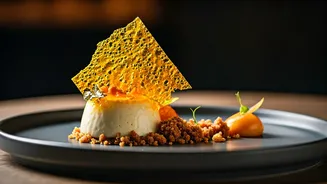
of mango ice cream, a syrupy gulab jamun, or a bright orange swirl of jalebi. While beloved, they rarely commanded the same excitement as the main course. Now, that’s changing, and fast. Across the country, a movement is underway to elevate Indian desserts from a predictable finale to a headline act. We're talking about saffron and rose cheesecakes, cardamom-infused panna cotta, and financiers made with besan (chickpea flour) and ghee. These aren't just fusions; they are thoughtful reinterpretations, crafted with precision and an artist’s eye. They have texture, nuance, and a balance of flavors—sweet, tart, spicy, floral—that challenges and delights the American palate.
The Chefs Leading the Charge
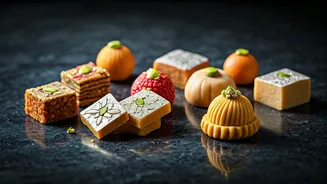
This dessert renaissance is being driven by a new generation of chefs, many of whom are second-generation Indian Americans. They grew up with the flavors of their heritage but trained in the demanding kitchens of Western fine dining. For them, re-imagining dessert is both a personal and professional mission. It's a way to connect with their roots while flexing their culinary creativity. These chefs aren't simply adding cardamom to a crème brûlée. They are deconstructing the classics and rebuilding them with modern techniques. Think of the components of a 'mithai' (sweet) box—nuts, milk solids, fragrant spices—and imagine them transformed. A barfi might become the base for a delicate mousse, or the flavors of a ras malai might be captured in a sophisticated, layered parfait. This approach honors tradition not by replicating it, but by exploring its potential. It’s a confident expression of a dual identity, showcasing how Indian flavors can stand tall within the global pastry canon.
A Feast for the Eyes (and the Feed)
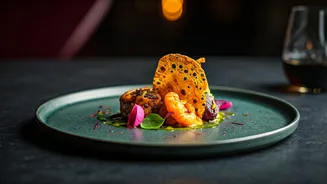
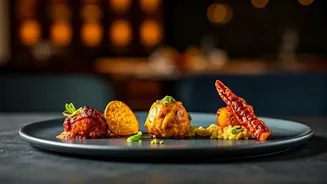
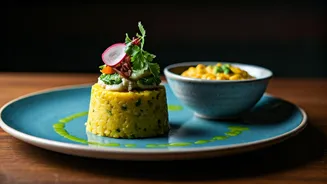
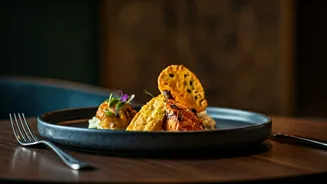
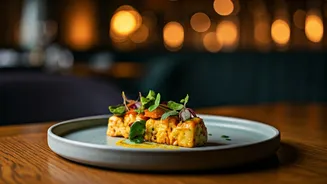
Let’s be honest: in 2024, food has to be photogenic. A key part of this trend's momentum is its sheer visual appeal. These luxe desserts are stunning. They feature delicate garnishes like edible flowers, silver leaf, crushed pistachios, and saffron threads. They are plated with the precision of a Michelin-starred restaurant, using swoops of sauce, artful crumbles, and dramatic shapes. This isn't just vanity; it's smart business and cultural currency. A jaw-dropping dessert becomes an instant shareable moment on Instagram or TikTok, acting as free marketing for the restaurant and a beacon for adventurous diners. It signals that this is not your standard buffet experience. This is an event. The visual splendor invites curiosity, encouraging diners who might have previously skipped dessert to see what all the fuss is about. In doing so, it helps broaden the very definition of what an Indian meal can be.
More Than Just Sugar
Ultimately, the rise of the luxe Indian dessert is about more than just finding a new way to end a meal. It represents a significant moment of cultural maturation for Indian cuisine in America. For years, the narrative was dominated by accessibility and affordability—the all-you-can-eat lunch buffet being the prime example. While that model introduced millions of Americans to Indian food, it also created a perception that it should be cheap and unchanging. The new dessert movement shatters that ceiling. It asserts that Indian cuisine is worthy of the same respect, innovation, and price point as French or Japanese fine dining. When you pay $18 for a saffron-mousse-filled chocolate sphere that a waiter cracks open at your table, you are paying for skill, high-quality ingredients, and a new idea. This trend signals that Indian American chefs feel confident in their audience, trusting that diners are ready to move beyond the familiar and embrace the full, complex, and dazzling spectrum of what the subcontinent has to offer.