


The Cross-Cultural Conversation
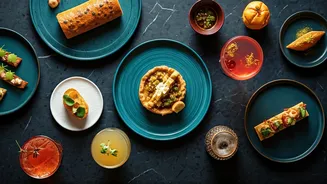
The most potent source of this new energy is a fearless approach to fusion. Leading the charge is Inja, a restaurant whose name itself—a portmanteau of India and Japan—is a statement of intent. Here, Chef Adwait Anantwar crafts a menu that feels less like
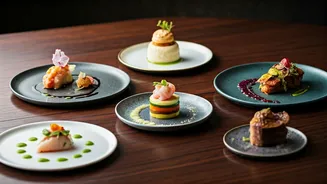
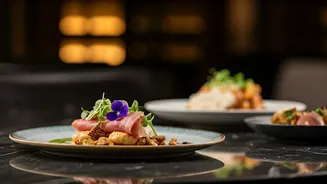
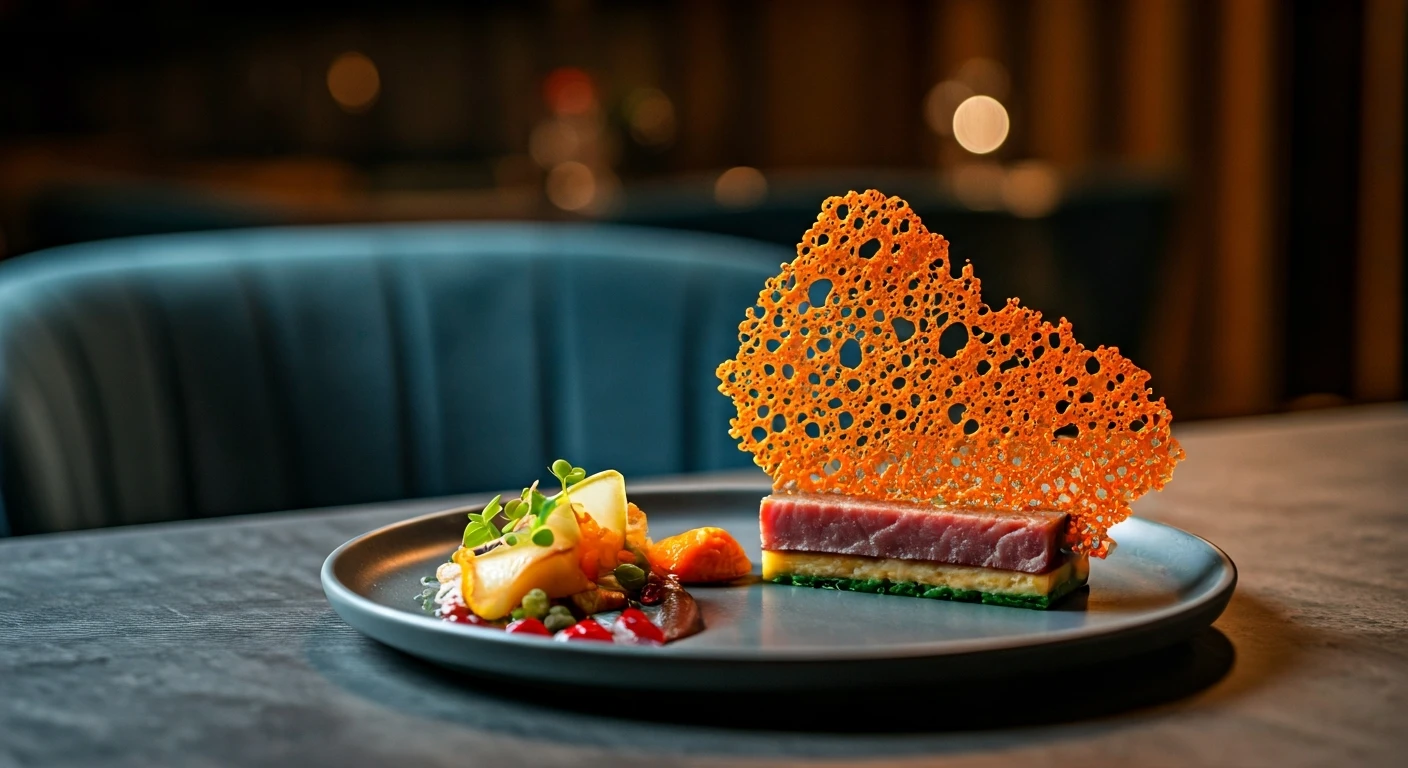
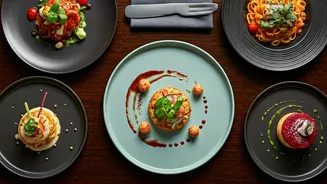
a fusion gimmick and more like a thoughtful dialogue between two ancient culinary traditions. Imagine a Tuna Papdi Chaat, where the crisp, street-food-style wafer meets the delicate freshness of raw tuna, or a Goan Chorizo Gyoza that marries the smoky, spicy sausage of India’s west coast with the perfect pan-fried dumpling. This isn’t about just putting two things on a plate; it’s about finding a shared soulfulness in flavor, texture, and technique, creating something that is at once familiar and thrillingly new.
The Cocktail as an Event
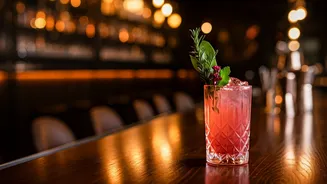
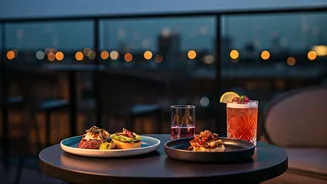
Delhi's bar scene has graduated from serving drinks to curating experiences. The new cocktail dens are theatrical, ambitious, and deeply rooted in storytelling. At the forefront are world-renowned bars like Sidecar, which consistently ranks among the best on the globe, but the energy is also bubbling up in newer spots. The focus is on artisanal spirits, house-made infusions, and foraged local ingredients. Menus are presented like narrative journals, with each drink telling a story—perhaps of a forgotten trade route or a local folk tale. Bartenders, now treated like chefs, guide guests through these liquid journeys. It’s a move away from the loud nightclub and toward an intimate, sophisticated setting where the drink itself is the main event.
The Modern Regional Revival
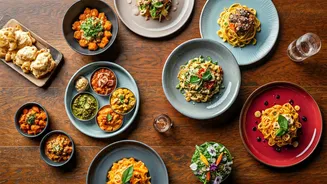
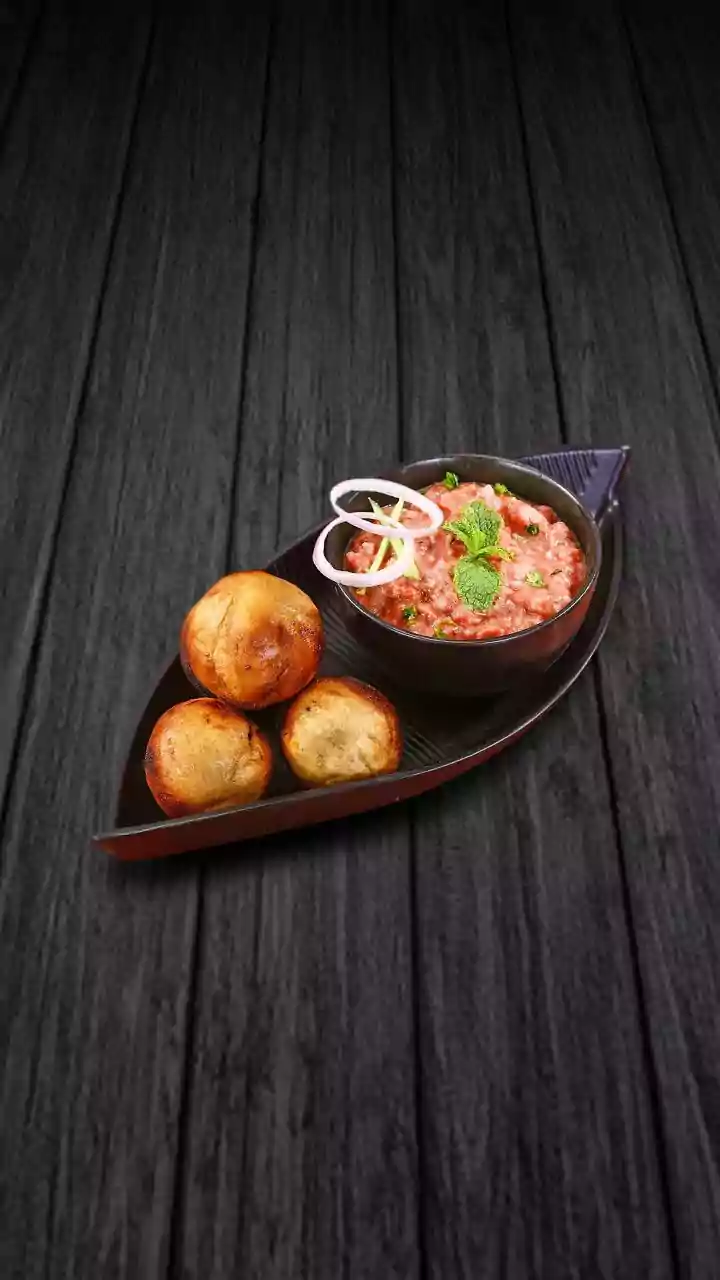
For years, “Indian food” in upscale settings often meant a standardized, Mughlai-heavy menu. The new wave of Delhi dining is shattering that mold by celebrating the subcontinent's staggering diversity. Restaurants are now diving deep into specific regional cuisines—from the coastal flavors of Kerala to the rustic dishes of Bihar—and presenting them in a contemporary, refined context. This isn't about diluting flavors but elevating them. Chefs are sourcing heirloom grains, exploring forgotten recipes, and using modern techniques to highlight the unique character of each region's palate. This movement gives diners a taste of India that goes far beyond butter chicken, offering a delicious education in the country’s true culinary breadth.
The All-Day Social Hub
The distinction between cafe, bar, and restaurant is blurring into a beautiful, flexible hybrid. New spots are designed to be lived in, transitioning seamlessly from a sun-drenched brunch spot to a moody evening cocktail lounge. Take Camillo’s, a Roman-style trattoria in the leafy neighborhood of The Manor. It’s a place you can drop into for a perfect morning espresso and pastry, linger over a long, lazy cacio e pepe lunch, or settle in for an evening of negronis and conversation. With an emphasis on sharp aesthetics, comfortable seating, and a menu that caters to any mood, these all-day establishments have become the city's new living rooms—stylish, welcoming, and always buzzing with a quiet, confident energy.
The Return of Theatrical Dining
After years of pared-down, minimalist experiences, drama is back on the menu. A new generation of restaurants is embracing maximalism with a vengeance. MisoSexy, for example, offers a high-octane blend of Pan-Asian cuisine, over-the-top decor, and a vibe that feels more like a nightclub in Miami than a restaurant in South Delhi. With retractable roofs, flamboyant plating, and a soundtrack designed to get you moving, these venues are an all-out assault on the senses in the best possible way. It’s a reflection of a city that’s ready to celebrate and be seen, proving that sometimes, the most energizing ingredient of all is a healthy dose of fun.