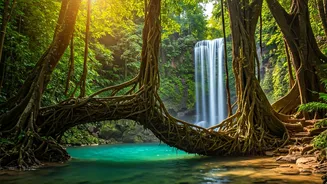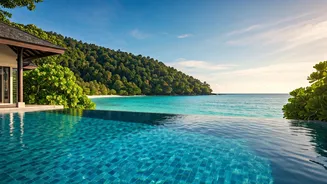






The Place: Lakshadweep
First, let's locate our hidden gem. Lakshadweep is a tropical archipelago of 36 islands off the coast of the southern Indian state of Kerala. The name itself means "one hundred thousand islands" in Sanskrit, a poetic nod to its sprawling, jewel-like nature.
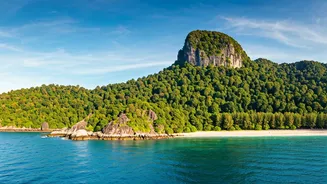
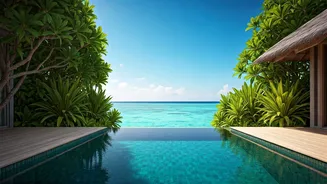
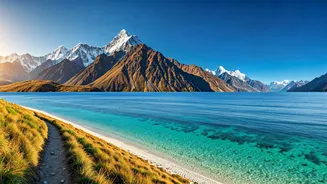
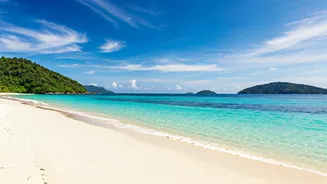
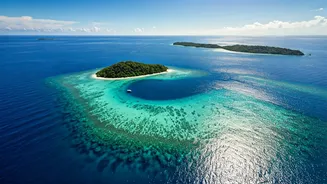
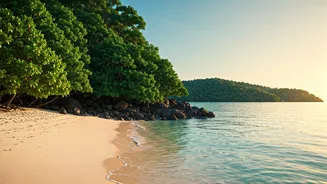
Only ten of these islands are inhabited. Unlike the bustling, vibrant chaos often associated with mainland India, Lakshadweep is a world apart. Think blindingly white sand, turquoise lagoons so clear you can see your shadow on the bottom, and a pace of life dictated by the tides. For decades, it has been a protected, hard-to-access paradise, which is precisely why it remains so pristine. It’s the Maldives without the five-star commercialism, or the Caribbean before the cruise ship ports.
Reason 1: Unspoiled Natural Beauty
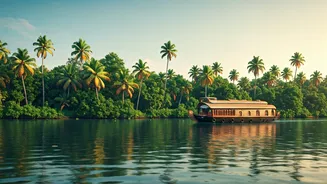
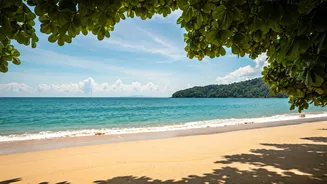
The primary draw is breathtakingly simple: a near-total lack of development. The islands are coral atolls, meaning they are rings of coral that create protected, shallow lagoons of impossibly blue water. This geography makes for serene beaches and calm waters perfect for swimming. The coconut groves that line the shores add to the classic deserted-island fantasy. The Indian government has intentionally restricted development to preserve this delicate ecosystem. There are no high-rise hotels, no fast-food chains, and no overwhelming crowds. On islands like Bangaram and Agatti, you can walk for miles on empty beaches, feeling like you’ve discovered a corner of the world that time forgot. It’s a powerful antidote to the over-tourism plaguing many of the world's other beautiful destinations.
Reason 2: A World-Class Diving Destination
Beneath the calm surface of those lagoons lies a second, even more spectacular world. Lakshadweep is a premier destination for snorkeling and scuba diving, with vibrant coral reefs teeming with life. The protected status of the marine environment means the coral is largely healthy and the fish populations are robust. Divers can expect to see sea turtles, manta rays, moray eels, and vast schools of colorful reef fish. Several islands, particularly Kavaratti, Kadmat, and Minicoy, have certified PADI dive centers that cater to both beginners and experienced divers. Shipwrecks dotted around the islands add another layer of adventure for advanced divers to explore. The water visibility is often exceptional, making it a photographer’s dream.
Reason 3: Why It’s Trending Now
So if it’s been there all along, why the sudden hype? A recent confluence of events shot Lakshadweep into the global spotlight. A social media campaign encouraging Indians to #ExploreIndianIslands went viral, sparked by political commentary and a national push to promote domestic tourism. High-profile figures and influencers began posting about the islands, creating a massive wave of online curiosity. This digital phenomenon highlighted a destination that many, even within India, knew little about. For international travelers, it tapped into the post-pandemic desire for authentic, off-the-beaten-path experiences. The idea of a pristine, hard-to-reach paradise is more appealing than ever, and Lakshadweep became the poster child for that desire overnight.
The Catch: How to Actually Go
Here’s the reality check. Visiting Lakshadweep isn’t as simple as booking a flight to Cancun. Access is tightly controlled to protect the environment and local culture. All tourists, both Indian and foreign, must obtain an official permit to enter. Foreign travelers must have a valid Indian visa and are generally required to book a pre-arranged tour package through an authorized operator. These packages typically include the permit, accommodations, transportation, and meals. Flights are limited, primarily operating from the city of Kochi in Kerala to the main airstrip on Agatti Island. From there, boats and helicopters connect you to the other open islands. This isn't a budget backpacking destination; the restrictions and logistics mean it requires planning and a bit more expense, but that’s the price of admission to one of the last true paradises.