

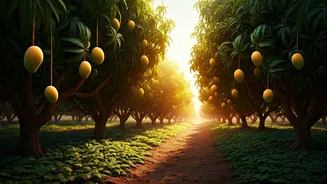
Meet the 'Birkin Bag' of Fruit
Imagine a fruit so valuable it requires armed guards and a team of dogs for protection. This isn’t a scene from a movie; it’s the reality for farmers cultivating the Miyazaki mango in India. While the headline points to Lucknow, the capital of Uttar Pradesh,
these prized mangoes are being grown in various parts of the country, turning orchards into high-security zones. A single pair of these mangoes can fetch prices upward of $3,000 in the international market, making them one of the most expensive fruits on the planet. For context, the familiar red and green Tommy Atkins mango in your local supermarket costs about a dollar. The Miyazaki is in a different universe altogether. It’s less a snack and more a tradable asset, a symbol of status that’s gifted among the elite to signify respect and build relationships.
An Accidental Japanese Treasure in India
The story of how this mango came to India is almost as fantastic as its price. The Miyazaki is not native to India; it originates from Miyazaki city in Japan’s Kyushu prefecture. Known there as 'Taiyo no Tamago' (Egg of the Sun), it’s a treasured product of decades of careful cultivation. So how did it end up in the heart of India? According to reports from growers, the journey was often accidental. One farmer in Madhya Pradesh received the saplings from a fellow passenger on a train, initially unaware of their value. He planted them, only to later discover he was growing a horticultural treasure. Now, agriculturalists in states like Uttar Pradesh are also experimenting with this lucrative crop. Growing them is a science. They require specific tropical weather, plenty of rain, and carefully controlled greenhouse conditions. Each mango is cradled in a small net while on the tree, ensuring it gets uniform sunlight and isn’t bruised when it naturally falls at peak ripeness.
What Makes It Taste Like a Fortune?
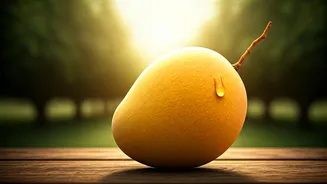
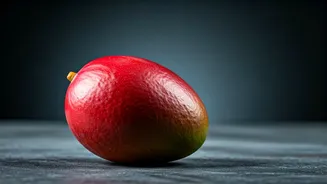
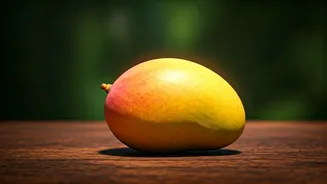
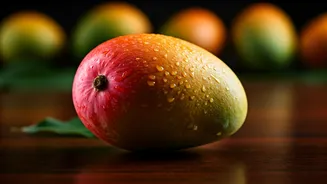
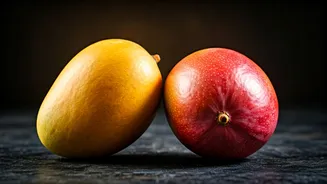
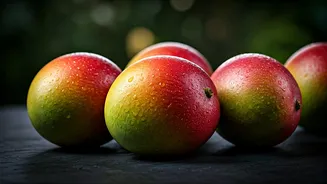
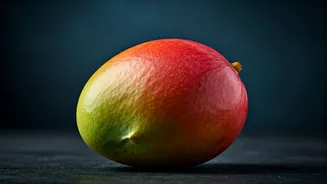
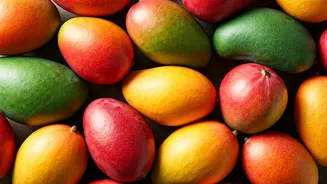
So, what does a thousand-dollar mango taste like? Those who’ve had the privilege describe an experience that ruins all other mangoes. Unlike the fibrous texture of many common varieties, the Miyazaki is famously melt-in-your-mouth, with a consistency often compared to a rich, velvety jelly. The flavor is intensely sweet but not cloying, with tropical notes of pineapple and coconut weaving through the classic mango taste. Its sugar content is about 15% higher than that of its more common cousins. But the appeal starts even before the first bite. The fruit’s appearance is stunning. It’s not the typical green or yellow-orange; it’s a fiery, ruby-red, like a giant, perfectly shaped jewel. This unique color, which develops from exposure to direct sunlight, is what earned it the 'Egg of the Sun' nickname in Japan. It’s this combination of flawless aesthetics, extraordinary texture, and complex sweetness that commands its astronomical price.
More Than a Fruit, It's a Status Symbol
In the world of luxury goods, some items transcend their practical function to become powerful symbols of wealth and status. The Miyazaki mango has officially entered that club. In Japan, these mangoes are not typically bought for personal consumption; they are prestigious gifts, presented in beautiful wooden boxes during special occasions. That culture is now taking root in India. Gifting a Miyazaki is a grand gesture, a sign of immense respect or a way to impress a business associate. The farmers who grow them aren't just selling produce; they're managing a luxury brand. The intense security measures—barbed wire fences, security guards, and specially trained dogs—aren't just for show. Thefts of these valuable saplings and fruits are a real and constant threat. For the growers, each mango that ripens on the branch is like a piece of gold, representing a massive potential payday and a year of meticulous, high-stakes agricultural effort.