



The Unsung Hero of the Pantry
When you think of protein-rich Indian cooking, your mind likely jumps to chana masala (chickpeas) or a hearty dal (lentils). They’re the undisputed stars. But in the supporting cast is an ingredient that deserves a promotion: the fava bean. Known as 'bakla'
in Hindi, this ancient legume is what you might call a sleeper hit. It’s not new—it’s been cultivated for millennia—but its reputation is getting a modern-day glow-up as people worldwide, including in India, search for diverse and sustainable sources of plant protein. While not as universally common across the subcontinent as lentils, fava beans hold a special place in regional cuisines, particularly in the north. Their quiet persistence in home gardens and local markets is a testament to their value, a culinary secret hiding in plain sight.
A Taste of Indian Tradition
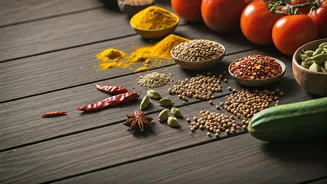
So what do they taste like? Fava beans have a distinct flavor profile that sets them apart from other beans. They are buttery and slightly nutty with a hint of sweetness, and a creamy texture when cooked. Unlike the earthy notes of a black bean or the soft neutrality of a chickpea, favas have a fresh, almost green character, especially when young. In India, they’re prepared in myriad ways. A simple and popular dish is 'bakla ki sabzi,' a dry curry where the beans are pan-fried with classic Indian spices like cumin, turmeric, coriander, and a touch of chili. The pods of young fava beans are also tender enough to be eaten. They might be tossed into vegetable pulaos for added texture and protein, or mashed into savory patties. This versatility allows them to absorb the robust flavors of Indian masalas while contributing their own unique personality to a dish.
The Plant-Protein Powerhouse
The real story behind the fava bean’s rising star status is its incredible nutritional profile. For anyone looking to boost their plant-based protein intake, fava beans are a game-changer. A single cup of cooked fava beans packs around 13 grams of protein, putting it on par with its more famous cousins. But that's not all. They are loaded with dietary fiber, which is crucial for digestive health and keeping you feeling full longer. They're also a fantastic source of folate, manganese, copper, and iron—essential micronutrients that support everything from energy production to immune function. In a world increasingly focused on nutrient density, the fava bean delivers. It’s not just a filler; it’s a functional food that provides a powerful combination of macronutrients and micronutrients, making it an ideal choice for vegetarians, vegans, and health-conscious omnivores alike.
From Mumbai to Your Market
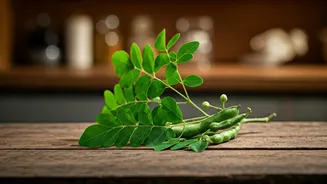
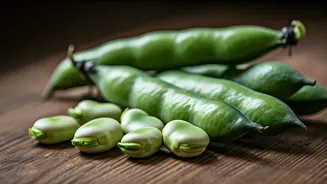
Bringing this Indian sleeper hit into your own kitchen is easier than you might think. Fava beans are available in several forms at most U.S. grocery stores. In the spring, you might find fresh fava beans in their large, puffy green pods. Prepping them requires a bit of work—shelling them from the main pod and then blanching them to remove the thin skin on each bean—but the fresh, delicate flavor is worth the effort. For a more convenient option, look for canned fava beans, which are ready to use in salads, stews, and dips. Dried fava beans are the most economical choice and perfect for slow-cooked dishes, though they require soaking overnight. A great starting point is to make a simple fava bean hummus for a nutty twist on the classic, or toss shelled beans with olive oil, lemon juice, and fresh mint for a vibrant side dish. You can also easily adapt an Indian 'sabzi' recipe by substituting fava beans for potatoes or cauliflower, pairing them with your favorite curry spices for an authentic and satisfying meal.