
The Rise of “Warm Minimalism”
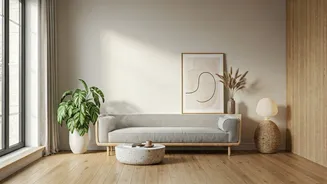
For years, the global minimalist trend dominated urban design. In bustling Indian metropolises like Mumbai, Delhi, and Bangalore, it offered a visual respite from the chaos outside. However, many have found this stark, Scandinavian-inspired aesthetic
to be emotionally cold and disconnected from a local context. The evolution has been a turn inward, towards a style that’s still clean and uncluttered but feels fundamentally more personal and grounded. This isn’t about filling rooms with stuff; it's about making the essential items deeply sensorial. The goal is no longer just a home that *looks* good on Instagram, but one that *feels* nurturing. It’s a design philosophy that values touch, heritage, and tranquility, creating a sanctuary that speaks a modern, yet distinctly Indian, language.
Woven Stories: Textiles and Rugs
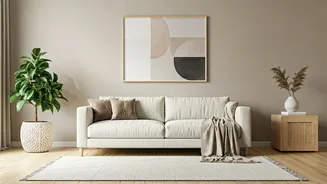
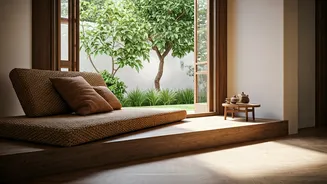
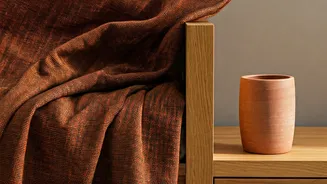
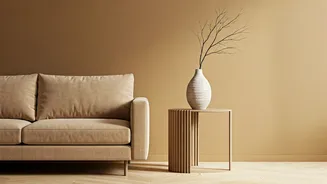
The most immediate way to introduce cozy texture is through textiles. Forget mass-produced polyester; this trend is all about fabrics that tell a story of craftsmanship. Handloom cottons like khadi, with their perfect imperfections, bring a soft, breathable quality to cushions, throws, and curtains. They filter light beautifully and feel incredible to the touch. Raw silk adds a subtle, matte luster without being gaudy. For the floor, jute or coir rugs are essential. Their robust, earthy weave instantly grounds a room, providing a natural, tactile foundation that contrasts wonderfully with a smooth marble or polished concrete floor. A hand-knotted wool rug in a muted, abstract pattern can serve as the room’s single piece of art, adding warmth and sound-dampening qualities.
Earthy Foundations: Wood and Cane
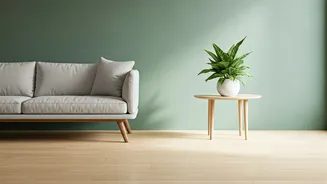
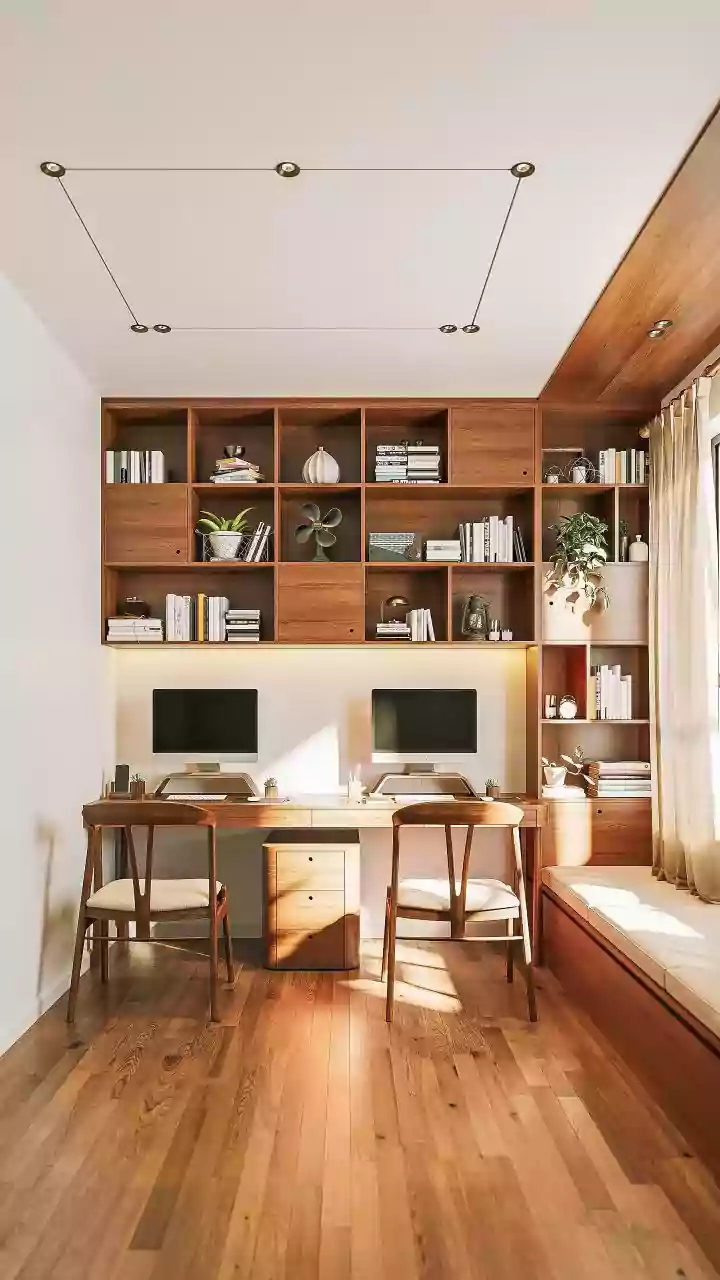
The choice of furniture is crucial in moving away from a flat, clinical look. Instead of glossy laminates, this aesthetic embraces the grain and character of natural wood. Sheesham (Indian Rosewood) and teak are popular for their warmth and durability, used in simple, modern forms for coffee tables, consoles, or bed frames. The texture isn't just visual; it’s the feel of the wood grain under your fingertips. Woven cane or rattan is another hero material, appearing in chair backs, cabinet doors, and room dividers. It introduces a light, airy pattern and a touch of mid-century nostalgia that feels both retro and incredibly current. This interplay of solid wood and woven cane creates a dynamic layering of natural textures that is sophisticated and deeply comforting.
Grounded Elements: Clay and Terracotta
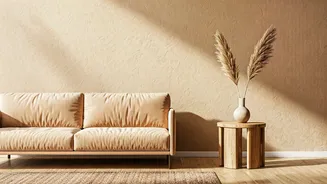
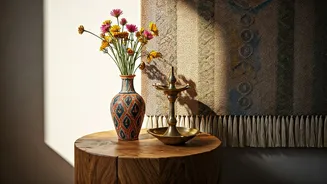
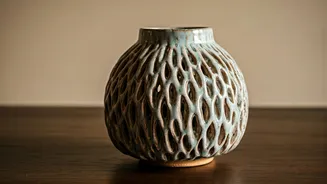
Nothing says “earthy” quite like clay. Incorporating unglazed terracotta and stoneware into a minimalist space provides an immediate connection to the elements. This can be as simple as a collection of terracotta vases holding single stems of dried grass, or a set of handmade ceramic bowls on an open shelf. These objects break up the monotony of smooth, painted walls with their porous, matte surfaces. Some designers are even using lime wash or ‘chuna’ plaster techniques on accent walls to create a soft, chalky texture that changes with the light throughout the day. It’s a celebration of the handmade and imperfect, adding a rustic soulfulness that machine-made objects can never replicate.
A Glimmer of Tradition: Metal Accents
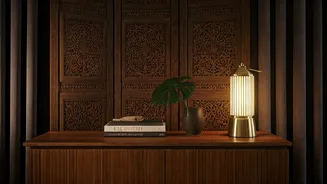
Texture isn’t only about roughness; it’s also about contrast. In a room rich with woven fabrics and raw wood, a touch of smooth, warm metal provides a necessary counterpoint. The key is to choose metals with a soft, living finish. Instead of high-shine chrome, think of aged brass, matte bronze, or traditional ‘kansa.’ These metals add a quiet glimmer that feels inherited and timeless. You might see it in a simple floor lamp with a brass stem, a set of bronze drawer pulls, or a handcrafted kansa tray on a coffee table. This isn't about adding bling; it's about introducing a focal point of subdued warmth and light, a final layer that ties the entire cozy, textured look together.