




The Irresistible Samosa, Baked to Perfection
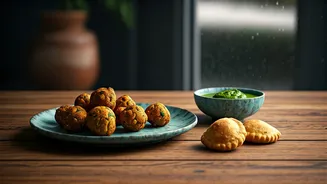
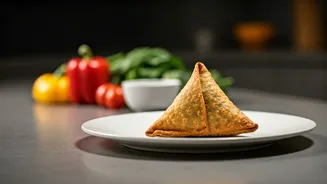
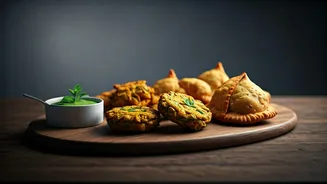
The samosa is arguably the king of Indian snacks: a flaky, golden-brown pastry filled with a spiced mixture of potatoes and peas. Traditionally, these triangular pockets of joy are deep-fried, which loads them with oil and calories. The healthy makeover
is surprisingly simple and just as satisfying. Instead of using refined white flour for the dough, switch to whole wheat flour (atta) for an added fiber boost. For the filling, you can increase the ratio of vegetables, adding finely chopped carrots or cauliflower. The biggest change? Ditch the deep-fryer. Lightly brush your assembled samosas with oil and bake them in a hot oven (around 400°F) or an air fryer until golden and crisp. You’ll get that signature crunch without the grease.
Pakoras (or Bhajis) Without the Oil Bath
Pakoras, also known as bhajis, are vegetable fritters. Sliced onions, spinach, potatoes, or cauliflower are dipped in a spiced chickpea flour (besan) batter and fried to crispy perfection. They are quick, delicious, and a quintessential rainy-day treat. The traditional method, however, means they act like little sponges, soaking up a lot of oil. To lighten them up, the air fryer is your best friend. Prepare your batter and coat your vegetables as usual, then arrange them in a single layer in the air fryer basket. A light spray of oil is all you need. In about 15-20 minutes, you’ll have pakoras that are crispy on the outside and tender on the inside. Another great option is to make 'appe' pan pakoras, using a special pan with small, round indentations that requires just a few drops of oil per fritter.
Aloo Tikki, Pan-Seared and Still Delicious
Aloo tikkis are spiced potato patties, often stuffed with lentils or peas and shallow-fried or deep-fried until their exterior is wonderfully crusty. They are a staple of street food charts across North India. While not always as oil-heavy as a samosa, they can still pack a caloric punch. The makeover focuses on cooking method and composition. To make the patties hold together better for baking or pan-searing, add a binding agent like breadcrumbs (whole wheat, of course) or a bit of rice flour. Mash your spiced potatoes, form the patties, and then pan-sear them on a non-stick skillet with just a teaspoon of oil until both sides are golden brown. You can also bake them on a parchment-lined sheet for an almost entirely oil-free version that delivers a satisfying texture.
Grilled Corn on the Cob (Bhutta) with a Twist
Street-style bhutta is a monsoon icon. A whole corn on the cob is roasted over hot coals until the kernels are slightly charred and smoky, then rubbed vigorously with a lemon wedge dipped in salt and spices. This snack is already quite healthy, but the makeover is about refinement. The street version can sometimes be heavy on salt and butter. At home, you can easily control this. Grill or roast your corn until tender and lightly charred. Instead of a thick layer of butter, use a light spritz of olive oil or a small pat of ghee. For the seasoning, create your own 'masala' blend using chili powder, chaat masala, black salt, and a generous squeeze of fresh lime juice. It’s a simple, rustic snack that barely needs a makeover to be a wholesome choice.
The Mighty Vada Pav, Deconstructed
Often called the Indian burger, vada pav is a spiced potato fritter (the 'vada') tucked inside a soft bread roll (the 'pav'), often accompanied by fiery chutneys. The vada is the main culprit here, as it’s made from a potato mixture that's battered and deep-fried. To give this Mumbai classic a healthy spin, focus on the vada. Create the same potato filling, but instead of deep-frying, shape it into patties and bake or air-fry them, just like you would with an aloo tikki. Serve this healthier vada in a whole-wheat bun or pav, and load it up with fresh, homemade chutneys—like a vibrant mint-coriander one—instead of sugary or processed sauces. You get all the flavor and texture of the original, but in a much more balanced package.