


The New Culinary Map of India
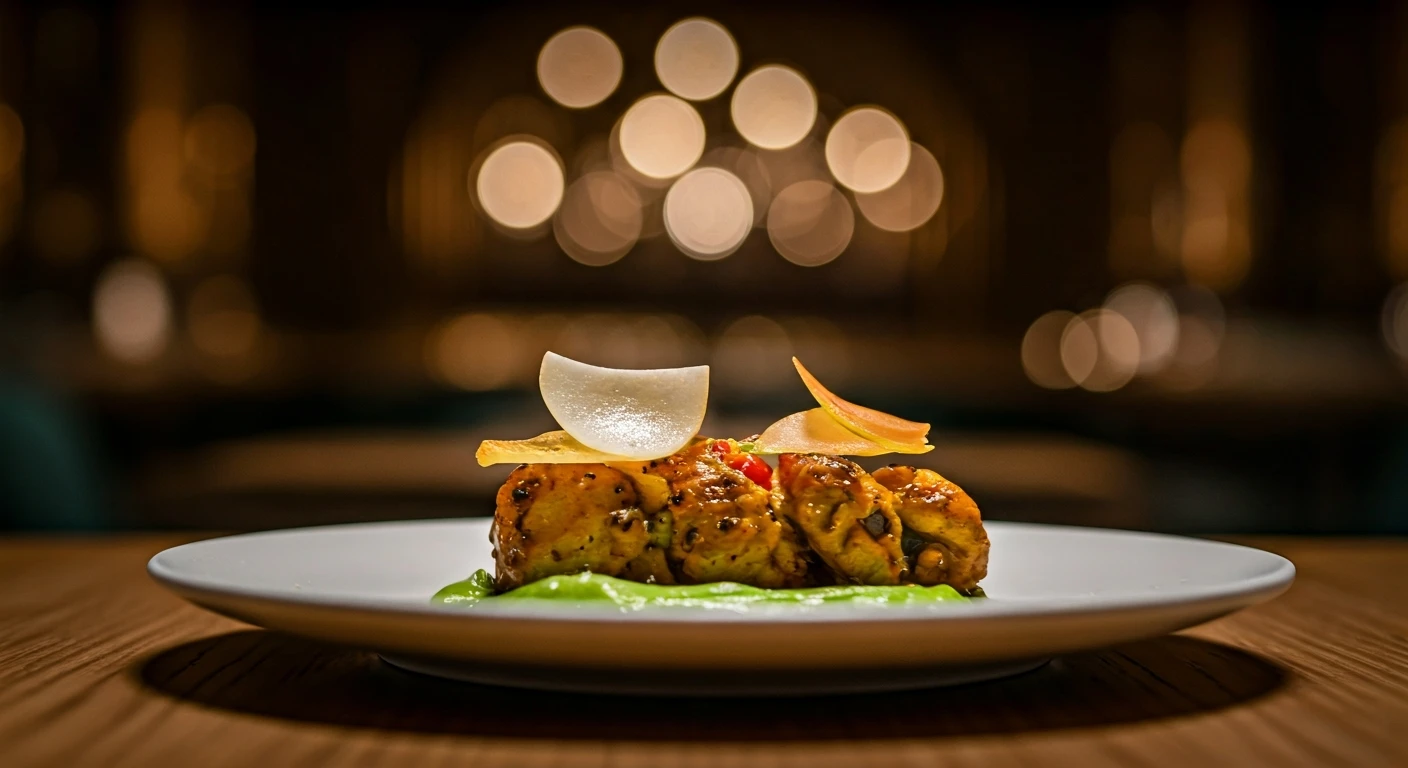
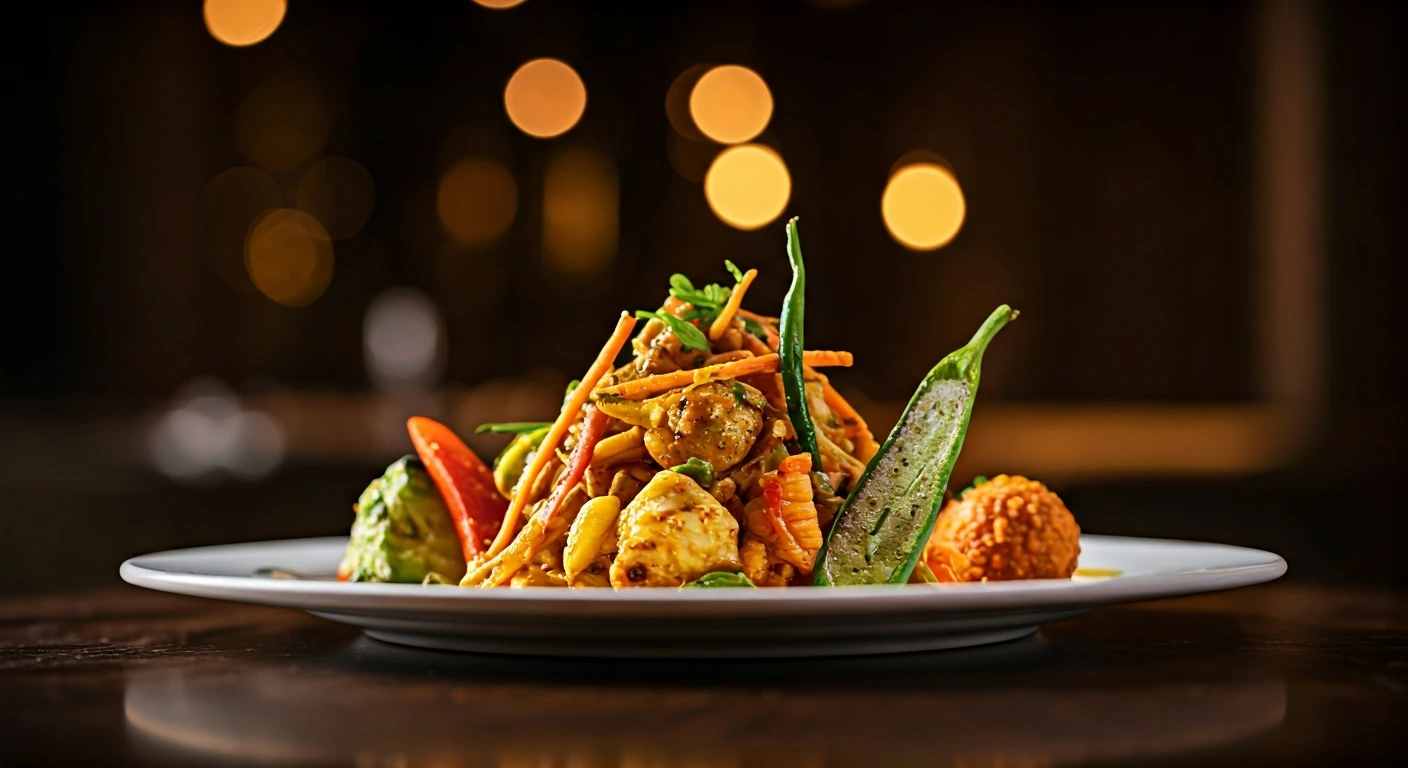
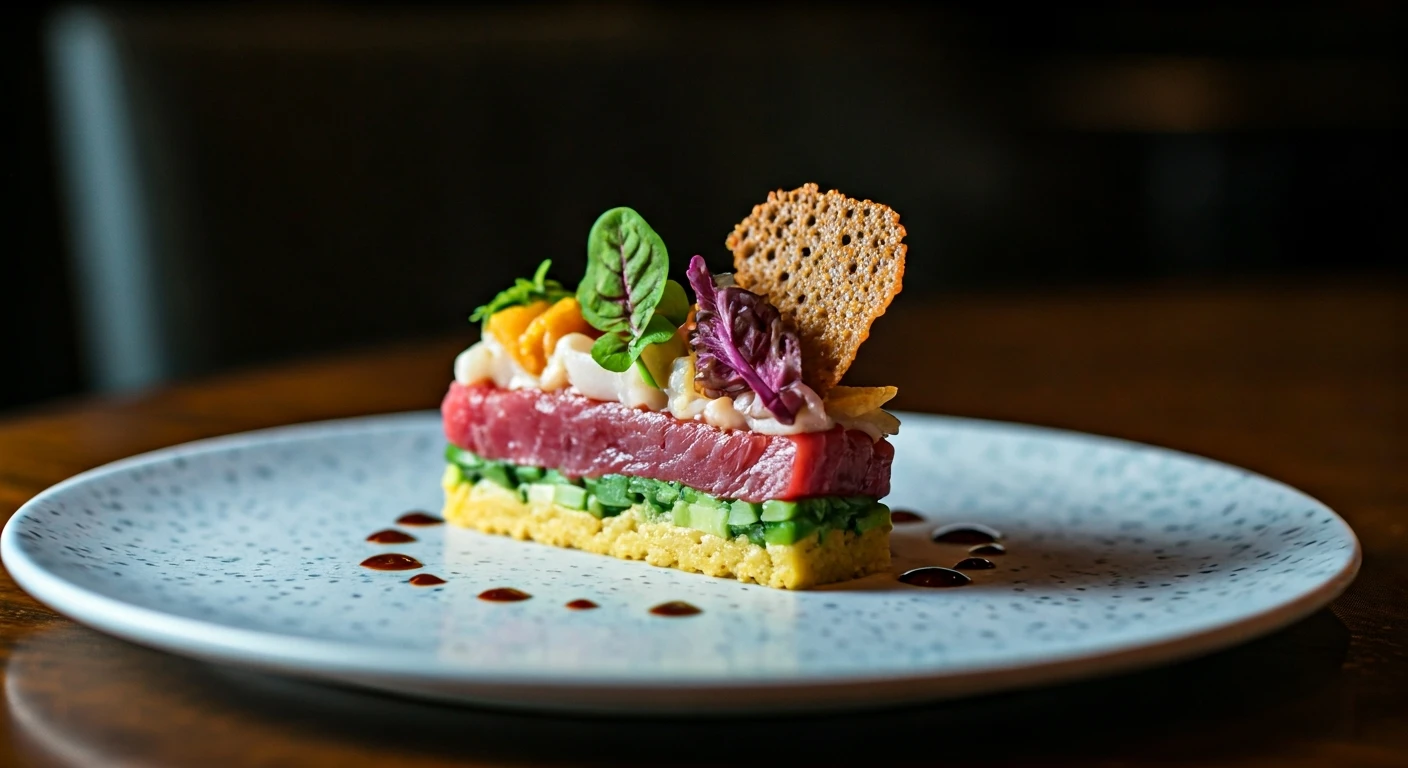
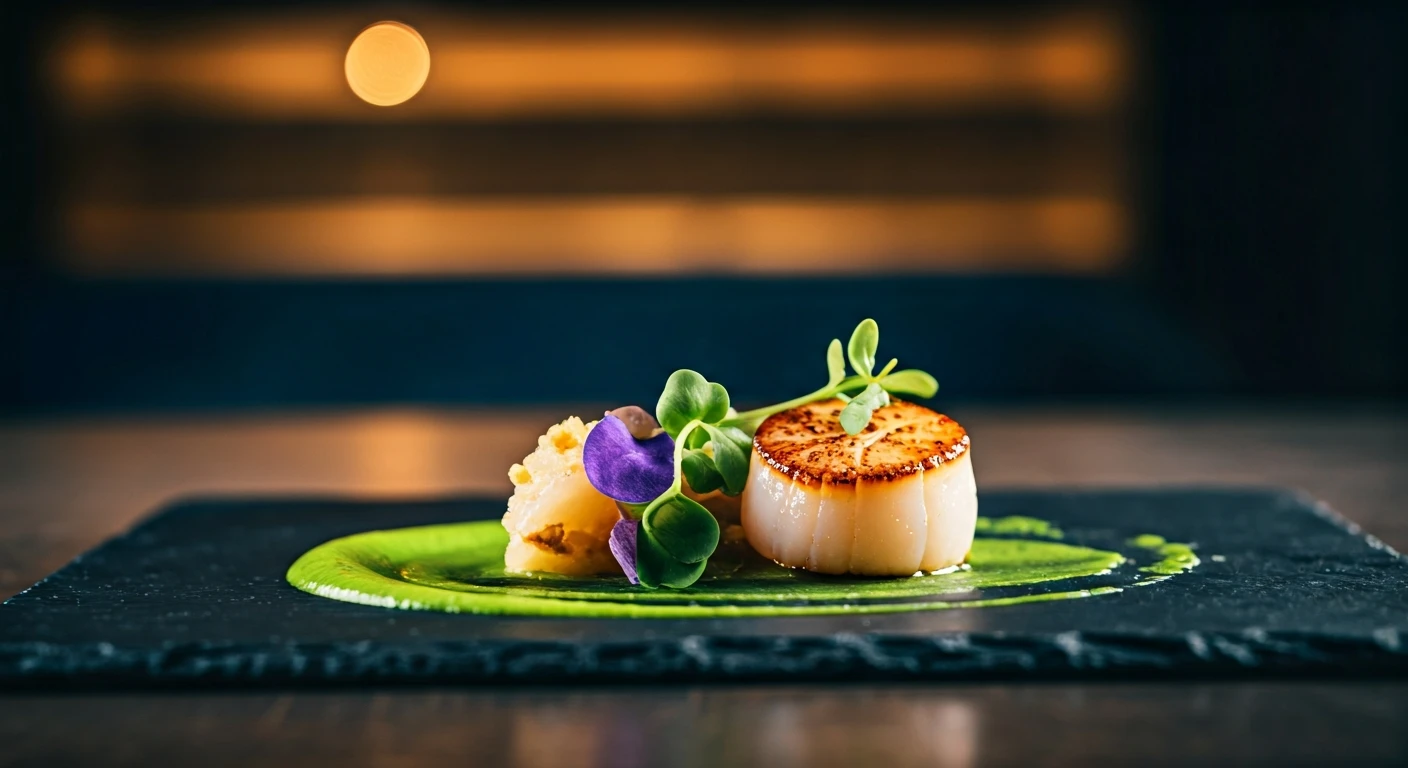
Forget everything you thought you knew about Indian restaurant food. The era of the one-size-fits-all buffet and generic 'curry' is being eclipsed by a vibrant, sophisticated fine-dining movement. This isn't just about better lighting and fancier plates;
it's a full-scale culinary renaissance rooted in history but propelled by avant-garde technique. Global tastemakers are taking note, with the Michelin Guide finally launching in India and local restaurants now regulars on the World's 50 Best Restaurants list. At the heart of this explosion are three dynamic cities, each serving as a unique incubator for the future of Indian food: Mumbai, Delhi, and Bengaluru. They form a golden triangle of gastronomy, proving that India's culinary identity is as diverse, modern, and ambitious as the country itself.
Mumbai: The Coastal Cosmopolitan
As India's financial and entertainment capital, Mumbai has the high-octane energy and discerning clientele to fuel a world-class dining scene. The city’s culinary identity is unabashedly cosmopolitan, drawing on its history as a port city and its access to the Arabian Sea's bounty. Chefs here are masters of the high-low mix, elevating street food concepts to fine-dining art and reinterpreting the regional cuisines of Maharashtra, Goa, and Gujarat. Restaurants like Masque, a World's 50 Best regular, champion a wilderness-to-table philosophy with ambitious tasting menus that explore the Himalayas. Others, like The Bombay Canteen, feel like a stylish celebration of the city itself, serving inventive, shareable plates that are both nostalgic and novel. In Mumbai, fine dining is glamorous, confident, and deeply connected to its coastal roots.
Delhi: Where Heritage Meets Ambition
If Mumbai is the flashy upstart, Delhi is the seat of power, where deep-rooted tradition provides a rich foundation for modern culinary expression. The capital has long been the keeper of North India’s famously opulent Mughal cuisine, but today’s chefs are deconstructing and reimagining those imperial classics for a 21st-century palate. This is the city that gave the world Indian Accent, a restaurant that became a global ambassador for modern Indian food by pairing inventive dishes with a sense of playful discovery. The dining scene in Delhi is defined by a certain gravitas—a respect for history combined with the ambition to present it in a groundbreaking new light. Here, a simple kebab or a complex biryani can be transformed into a multi-sensory experience that tells a story spanning centuries.
Bengaluru: The Tech Hub's Tasting Menus
Known as India’s Silicon Valley, Bengaluru (formerly Bangalore) brings a forward-thinking, experimental ethos to its food. With a young, globally-traveled population of tech professionals, the city boasts an audience that is eager for innovation and sustainability. Consequently, Bengaluru's fine-dining scene is arguably the country’s most progressive, with a strong emphasis on farm-to-table sourcing, hyperlocal ingredients, and cutting-edge techniques. Restaurants like Farmlore—set on its own 37-acre farm—offer menus dictated entirely by the day’s harvest, creating an intimate connection between the diner, the land, and the food. It's a less formal, more ingredient-focused approach that reflects the city's youthful, eco-conscious spirit. In Bengaluru, the future of food is not just delicious; it’s thoughtful.