




The Tech Finally Got Smarter (and Friendlier)
The first wave of connected fitness was all about elite, high-cost equipment and intense, instructor-led classes. Think Peloton’s initial sky-high success. While that market still exists, the new trend is driven by accessibility. The real revolution is happening
on our phones and smart TVs. Apps like Apple Fitness+, Nike Training Club, and Peloton’s own digital-only membership offer vast libraries of workouts for a low monthly fee, no expensive hardware required. The technology has matured from a status symbol into a utility. AI-powered form correction, personalized workout plans, and integration with wearables like the Apple Watch or Whoop strap make the experience feel less like a shouting instructor and more like a personal trainer who actually knows you. It's less about keeping up with a leaderboard and more about finding a 20-minute yoga flow that fits your mood.
The Rise of 'Cozy Cardio'
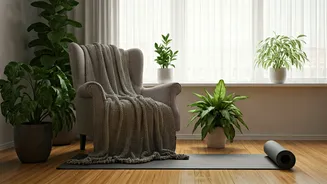
If the old fitness mantra was “no pain, no gain,” the new one is something closer to “no stress, more gains.” A social media-driven movement, particularly on TikTok, dubbed “cozy cardio” has captured the zeitgeist. The idea is simple: low-impact, low-intensity movement in a comfortable setting. Picture walking on a small treadmill while watching your favorite show, using a stationary bike at a relaxed pace with a good podcast, or doing a gentle Pilates routine in your living room. This trend is a direct rebellion against the punishing, high-intensity-interval-training (HIIT) culture that dominated fitness for years. It reframes exercise not as a chore or a punishment for what you ate, but as a form of self-care and stress relief. It’s sustainable, approachable, and, frankly, much more appealing on a Tuesday night after a long day of work.
Gyms Are Becoming 'Third Places'
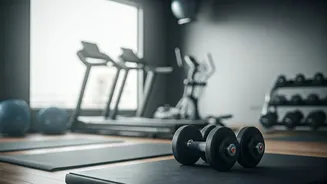
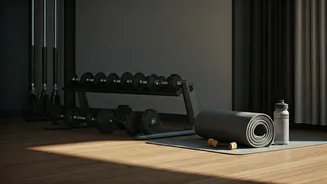
For those who do venture out, the gym itself is changing. The most successful fitness centers are no longer just warehouses of weights and treadmills. They are transforming into “third places”—a term for social environments separate from home and work. Modern gyms like Life Time and even budget-friendly chains are adding co-working spaces, cafes, saunas, cold plunge pools, and extensive group class schedules that build community. People aren't just going to lift weights; they're going to see friends, take a yoga class, answer some emails, and grab a smoothie. This makes the “indoor workout” a desirable destination experience, combining fitness with social connection and relaxation, a powerful trifecta in our post-pandemic, hybrid-work world.
The Economics of Sweat
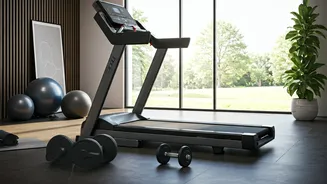
Let’s be honest: money matters. A single class at a boutique spin or Pilates studio in a major city can easily cost $35-$45. For many, that’s simply not sustainable. The economic math is pushing people back indoors, both at home and at more affordable gyms. A $10/month Planet Fitness membership or a $15/month fitness app subscription offers a much better value proposition. The one-time cost of a decent set of adjustable dumbbells or a walking pad pays for itself in just a few months compared to the relentless expense of boutique fitness. As inflation and economic uncertainty continue to shape household budgets, people are making more pragmatic choices about their wellness spending, and indoor options are often the most cost-effective.
The Hybrid Life Is the New Normal
The pandemic forced everyone inside, but its lasting legacy is flexibility. We now live in a hybrid world—hybrid work, hybrid social lives, and hybrid fitness. The all-or-nothing approach has vanished. The new trend isn’t about choosing the gym *or* home; it’s about building a routine that uses both. People might go to the gym twice a week for heavy lifting and community, squeeze in two at-home app-based workouts on busy weekdays, and go for a long walk or run outside on the weekend. This blended approach gives people control over their time, budget, and energy levels. The resurgence of indoor workouts isn't a retreat from the world, but a strategic integration into a more balanced and realistic lifestyle.