

The Comeback Class of the '90s
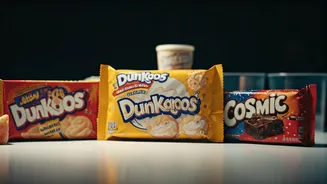
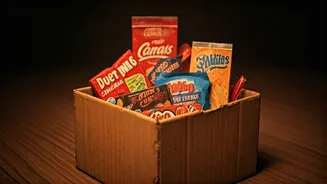
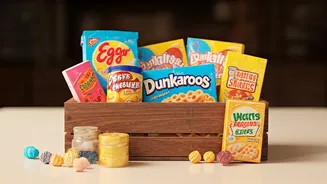
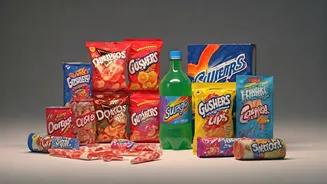
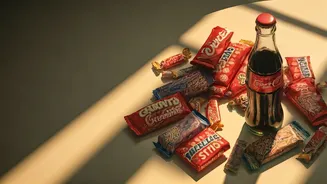
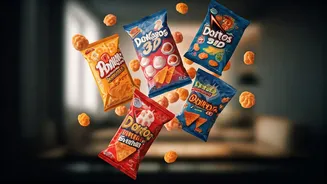
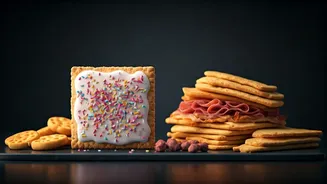
Take a walk down the snack aisle, and it’s starting to look a lot like a high school reunion for your lunchbox. Dunkaroos, the undisputed king of '90s cafeteria cool, are back with their signature frosting dip. Doritos 3D Crunch, the puffed-up, hollowed-out
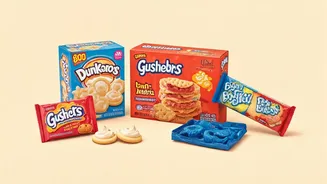
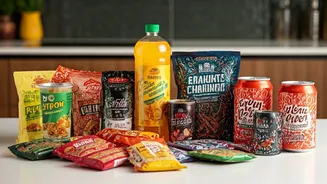
triangles that once seemed like a geometric miracle, have returned from the great snack graveyard. Even the electric green ghost of Surge soda has made appearances, brought back from the brink by a legion of devoted fans. These aren’t quiet, niche returns. They are loud, well-marketed homecomings, designed to hit a specific demographic right in the feels: Millennials and older Gen Z who remember a time before smartphones, when the biggest decision of the day was which Gushers flavor to eat first.
The Comfort Food Economy
So, why now? The simple answer is nostalgia sells, but the reality is more nuanced. For Millennials, now navigating careers, mortgages, and parenthood, these snacks represent a form of edible comfort—a direct-line connection to a simpler, more optimistic time. In an era of economic uncertainty and perpetual digital noise, the straightforward joy of dipping a kangaroo-shaped cookie into funfetti frosting is a powerful emotional anchor. Food brands like General Mills and PepsiCo are masters of this emotional calculus. They know that a 35-year-old shopper isn't just buying a snack; they're buying back a piece of their childhood. It’s a low-stakes form of time travel, available for about $3.99.
From TV Commercials to TikTok
Here's where the "Modern Main Character" part comes in. These snacks aren't just being placed back on shelves; they're being re-launched with a 21st-century playbook. The original marketing push for these products involved Saturday morning cartoon ad blocks and magazine spreads. Today, their comeback tour is routed directly through social media. The revival of a beloved snack is practically designed for the visual, performative world of TikTok and Instagram. It’s a goldmine of content: the dramatic unboxing of a long-lost treat, the first-bite reaction video, the generational taste-test pitting a parent’s memory against their child’s modern palate. This organic, user-generated hype is more powerful and authentic than any 30-second TV spot. The snack itself becomes the star of its own viral story.
A Few Upgrades for the Glow-Up
Crucially, this isn't always a simple copy-and-paste revival. While some brands stick to the original formula with religious fervor, others are giving their old products a modern "glow-up." This can mean expanding the flavor lineup, like Oreo O's cereal introducing a "Mega Stuf" version. It can also mean strategic, hype-driven collaborations. Think limited-edition merchandise, or even another brand releasing a nostalgic flavor, like a craft brewery creating a Dunkaroos-inspired ale. Sometimes, the formula itself is quietly tweaked to meet modern food standards (or corporate cost-cutting measures), leading to fierce online debates among purists who swear the new version "just isn't the same." This conversation, whether positive or negative, only adds to the snack's cultural relevance and keeps it at the center of the digital conversation.