





From Decoration to Dinner Plate
For years, the goal was simple: keep the plant alive and make it look good. The terracotta pot on the windowsill was a small victory, a splash of green in a sterile space. But a significant shift is underway. An increasing number of Americans are now
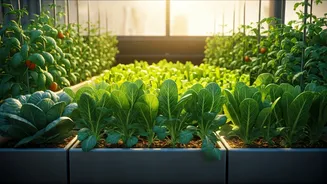
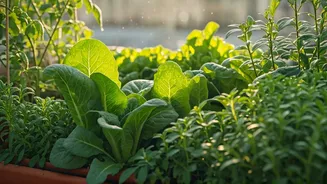
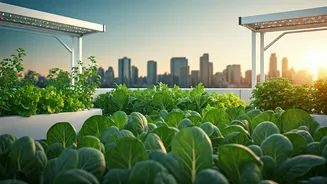
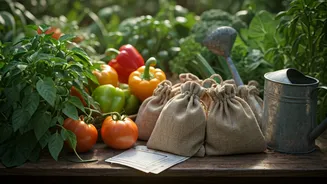
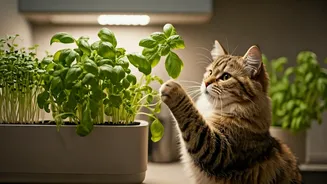
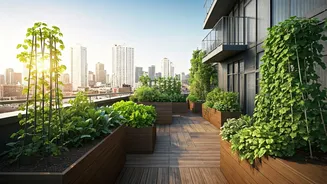
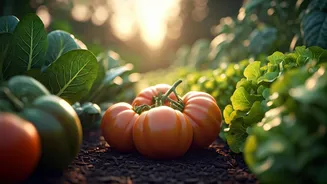
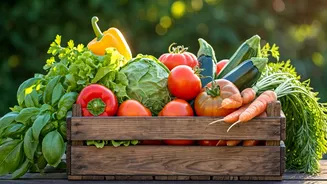
viewing their available space—be it a sprawling yard, a tiny balcony, or a kitchen counter—as a potential food source. The focus has moved from ornamental to edible. This isn't about plowing a half-acre field. It’s about “hyper-local” eating taken to its logical extreme. Think window boxes overflowing with salad greens and herbs, patio containers bearing surprisingly productive dwarf tomato plants, and trellises supporting climbing beans on an apartment balcony. The appeal is obvious: unparalleled freshness, a deeper connection to food, and control over what goes into it. Growing your own basil for pesto or cherry tomatoes for a salad isn't just a novelty; it's a small act of self-sufficiency that tastes infinitely better than its store-bought equivalent. This movement redefines the garden not as a static display, but as a dynamic, productive part of the home kitchen.
The Tech-Infused Garden
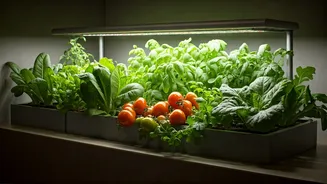
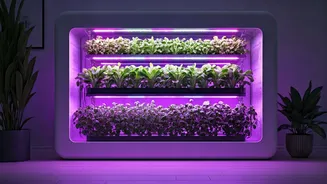
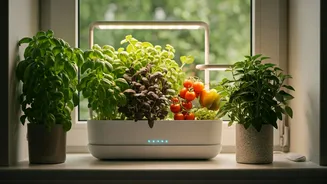
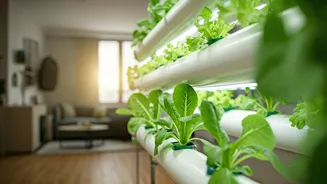
If you think gardening is all dirt, sweat, and guesswork, you haven't seen its 21st-century update. Technology has officially entered the chat, making home growing more accessible, efficient, and data-driven than ever. For city dwellers with no outdoor space, hydroponic and aquaponic systems are game-changers. These soil-free setups circulate nutrient-rich water directly to plant roots, allowing for shockingly fast growth in a small footprint. Countertop hydroponic kits can produce a steady supply of lettuce and herbs year-round, no sunlight required. Beyond that, the “smart garden” is becoming a reality. Self-watering planters with large reservoirs take the daily stress out of plant care, perfect for frequent travelers or the forgetful. More advanced systems come with sensors that monitor moisture, light, and nutrient levels, sending alerts to your phone via an app. This isn't about outsourcing the joy of gardening; it's about eliminating the most common points of failure. By letting technology handle the tedious monitoring, growers can focus on the rewarding parts, like watching their plants thrive.
Sustainability Takes Root
As environmental awareness grows, so does the desire for a more conscientious garden. The new wave of home growers is acutely aware of their hobby's ecological footprint and is actively working to reduce it. This goes far beyond simply avoiding pesticides. It’s a holistic approach that starts with the soil itself. Many gardeners are moving away from traditional potting mixes that contain peat moss, the harvesting of which destroys vital peatland ecosystems that store massive amounts of carbon. Instead, they’re opting for sustainable alternatives like coco coir or creating their own compost from kitchen scraps. Water conservation is another key focus, with growers using techniques like mulching to reduce evaporation and installing drip irrigation systems that deliver water directly to the roots with minimal waste. The plant choices are also changing. Instead of exotic species that require intensive care, many are planting native flowers, grasses, and shrubs that are adapted to the local climate, require less water, and provide crucial food and habitat for local pollinators like bees and butterflies.
Thinking in Ecosystems
Perhaps the most profound shift is a change in mindset. The old model was about controlling a plant in a pot. The new model is about cultivating a miniature ecosystem. This is where the most dedicated growers are pushing the boundaries, seeing their garden not as a collection of individual plants but as an interconnected system. This might mean creating a pollinator garden designed specifically to support the lifecycle of monarch butterflies, or it could be as complex as a backyard aquaponics setup where fish waste provides nutrients for plants, and the plants, in turn, filter the water for the fish. It involves companion planting, where certain plants are grown together to naturally deter pests or improve growth. It’s a move away from imposing human will on nature and toward a more collaborative partnership. This approach requires more knowledge and observation but offers a deeper reward: the satisfaction of fostering a small, thriving, and largely self-regulating natural world right outside your door.