

The Psychology of Touch
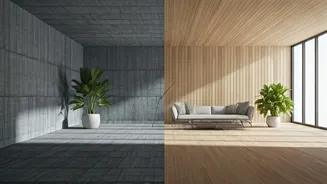
Before we dive into materials, let’s talk about why this works. The concept is rooted in biophilic design—the idea that humans have an innate need to connect with nature. Smooth, cold, artificial surfaces can feel sterile and uninviting. In contrast,
varied, natural textures engage our sense of touch in a subtle, grounding way. A chunky knit blanket, the cool smoothness of a stone coaster, or the grainy feel of a wooden bowl—these tactile experiences connect us to the physical world, pulling us out of our heads and into the present moment. They provide sensory feedback that is inherently reassuring, reminding us of the organic, imperfect patterns found in the natural world.
Start with Soft Textiles
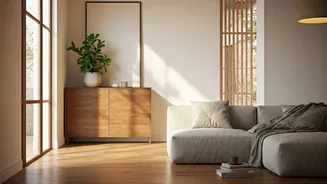
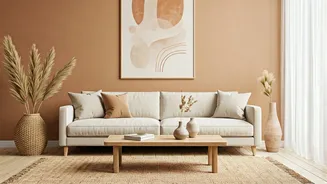
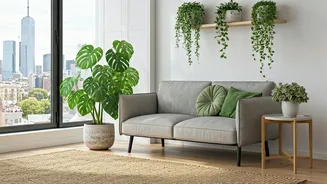
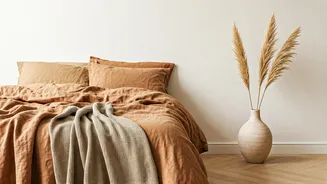
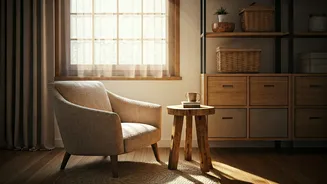
The easiest entry point into a multi-textured home is through soft furnishings. This is where you can make a big impact with minimal effort. Swap out polyester throws for ones made of chunky wool, cashmere, or soft, breathable cotton. On your sofa, mix pillows of different materials: a rough-woven linen, a smooth velvet, a nubby bouclé. These materials not only feel better against the skin but also add visual depth. A simple linen curtain, for example, diffuses light more softly than a synthetic one, contributing to a gentler, more calming ambiance throughout the room.
Incorporate Warm Woods
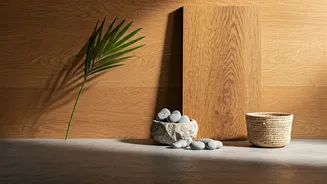
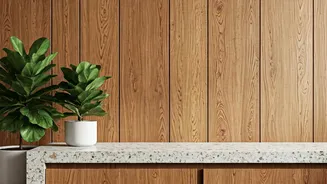
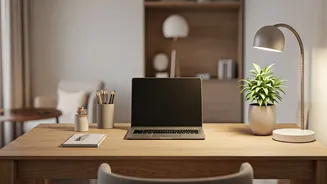
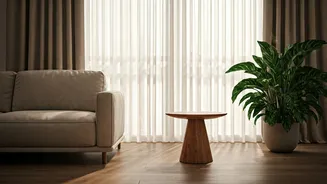
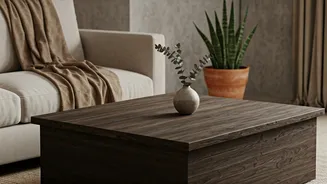
Wood is a cornerstone of calming design. Its natural grain, warmth, and solid presence provide a powerful sense of stability and connection to nature. You don't need to install hardwood floors to get the benefit. Think smaller. A beautiful acacia wood cutting board left on the kitchen counter, a live-edge coffee table, or even a simple teak stool in the bathroom can introduce this element. The visual pattern of the wood grain is inherently unique and imperfect, offering a welcome break from the uniform surfaces that dominate modern life. Lighter woods like oak, maple, and ash often create a more airy, Scandinavian feel, while darker woods like walnut can add a sense of rich, grounding sophistication.
Embrace Woven Elements
Jute, rattan, seagrass, and wicker bring an instant dose of relaxed, earthy texture. These materials are incredibly versatile and work well in a variety of design styles, from bohemian to coastal to modern minimalist. A large jute rug can define a living space, providing a satisfyingly coarse texture underfoot that contrasts beautifully with a soft sofa. A rattan accent chair adds sculptural interest, while woven baskets are a stylish and practical solution for storing everything from blankets to magazines. These woven pieces introduce a handmade, artisanal quality that feels personal and comforting.
Add Grounding Stone and Ceramic
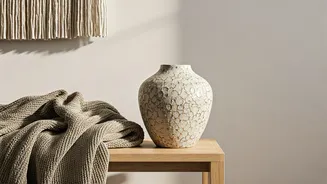
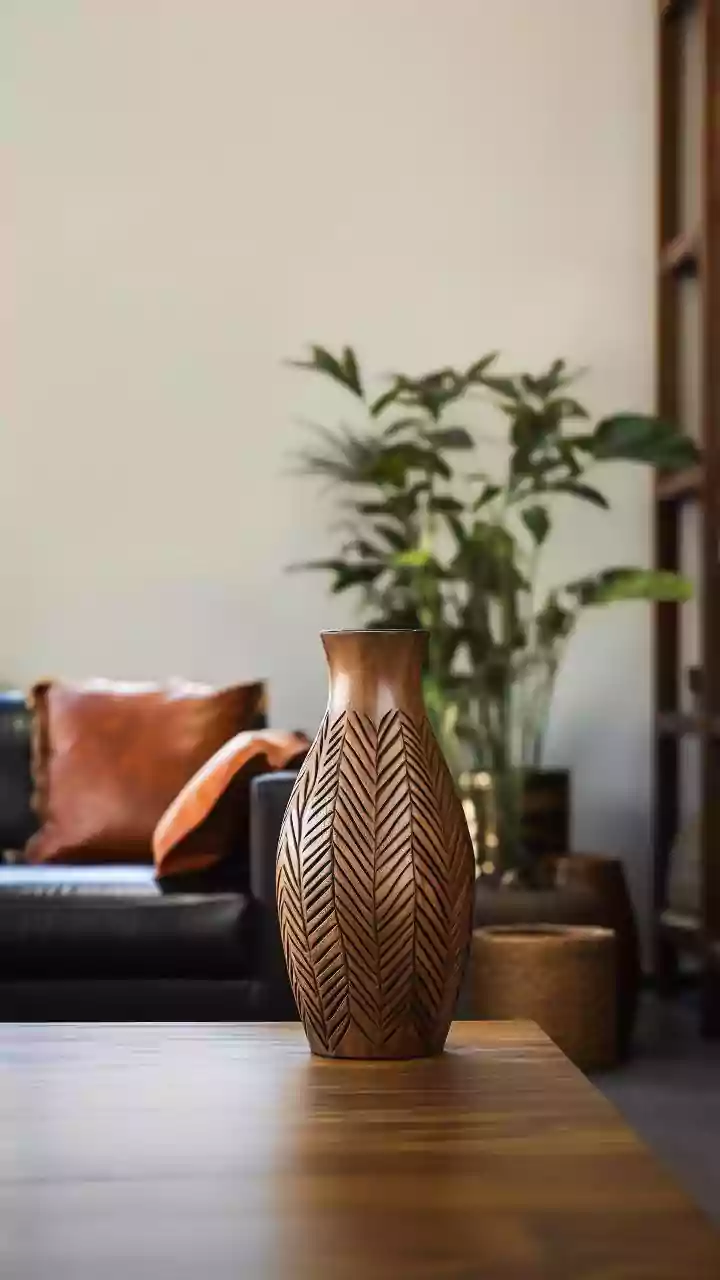
For a cool, grounding counterpoint to all that softness, turn to stone and ceramic. These materials provide a sense of permanence and solidity. You don’t need a marble countertop to feel the effect. Small touches can make a big difference. A travertine tray on a coffee table, a set of slate coasters, or a heavy ceramic vase filled with simple branches can serve as a calming anchor in a room. The cool, smooth surface of these materials provides a pleasing sensory contrast to warmer woods and softer textiles, creating a balanced and harmonious environment.