
The New Indian Aesthetic
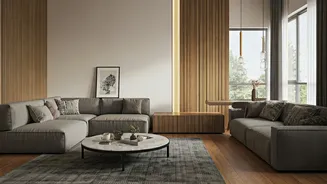
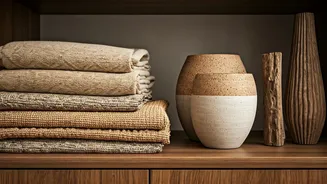
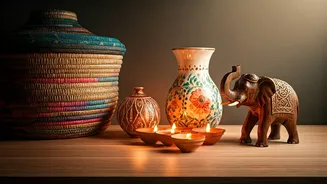
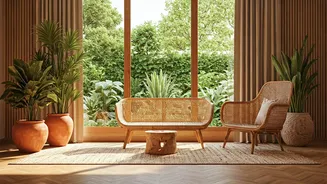
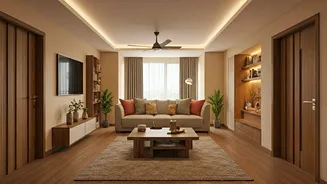
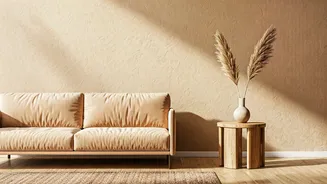
Step inside a stylish, contemporary apartment in Mumbai or a new villa in Bengaluru, and you’re likely to find a consistent aesthetic language. It speaks not in loud colors, but in textures. You’ll see the subtle grain of reclaimed teak, the porous surface
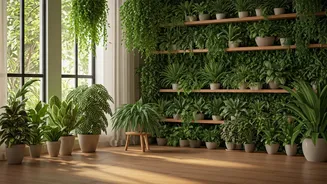
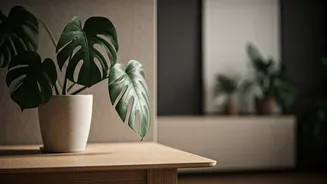
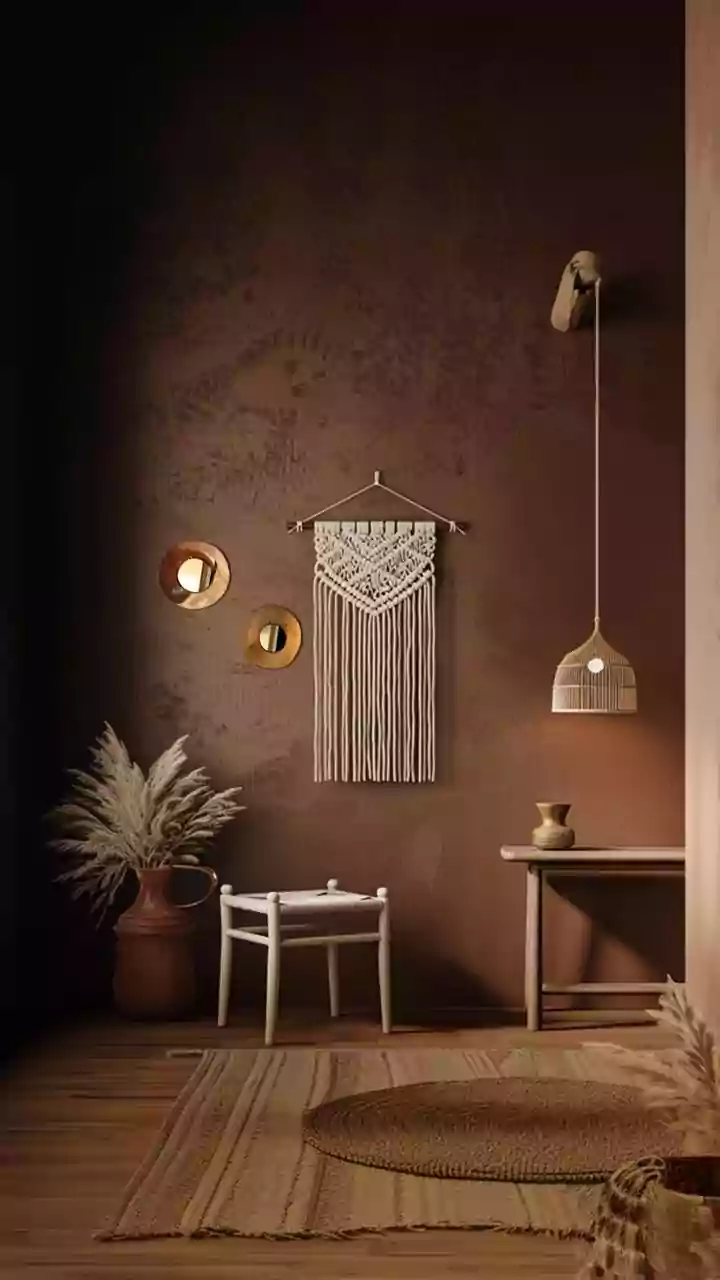
of unglazed terracotta, and the soft weave of hand-loomed cotton and linen. Sunlight filters through bamboo chicks or modern interpretations of *jaali* screens, creating shifting patterns on lime-washed walls. Lush indoor plants—from fiddle-leaf figs to humble money plants—are not afterthoughts but architectural elements. This design ethos, often called biophilic design, prioritizes a connection to the natural world. It’s a stark departure from the glossy, imported, and often impersonal luxury that dominated high-end Indian interiors for decades. The new mood is earthy, authentic, and deeply tactile, creating spaces that feel like a gentle exhale.
A Sanctuary from the Urban Rush
This shift isn't just about aesthetics; it's a psychological response to the conditions of modern Indian life. For millions living in the country's booming, chaotic megacities, life unfolds at a relentless pace. The constant symphony of traffic, construction, and dense crowds creates a deep-seated need for a personal retreat—a space that calms the nervous system rather than stimulating it. The global pandemic amplified this yearning exponentially. Confined to their homes, urban Indians began to see their living spaces not just as a place to sleep, but as their entire world: their office, gym, and sanctuary. The desire for a home that felt restorative and grounding became a primary need. Designers report a massive spike in requests for balconies turned into green escapes, nooks for quiet reflection, and materials that feel good to touch. The home became the last line of defense against a world of uncertainty and anxiety.
Old Roots, Modern Forms
While this trend feels new, its principles are deeply embedded in traditional Indian architecture. For centuries, homes in India were intrinsically designed to coexist with nature. Central courtyards, or *aangans*, were the breathing lungs of the house, bringing in light and air while creating a safe, private green space for the family. Materials were sourced locally—laterite stone in the south, mud and wood in the north. This vernacular wisdom, which was nearly lost in the rush to modernize with concrete and glass, is now being rediscovered and celebrated by a new generation of Indian architects and designers. They are not simply copying the past but are translating its core principles—sustainability, localism, and a respect for climate—into a modern vocabulary. A hand-carved wooden panel might be used as a minimalist piece of wall art, or a traditional weaving technique might be applied to a sleek, contemporary armchair.
A Global Conversation
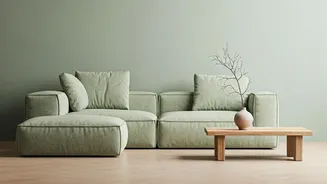
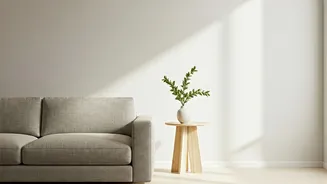
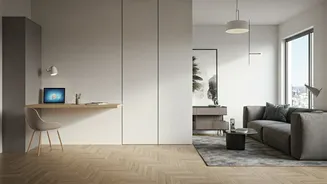
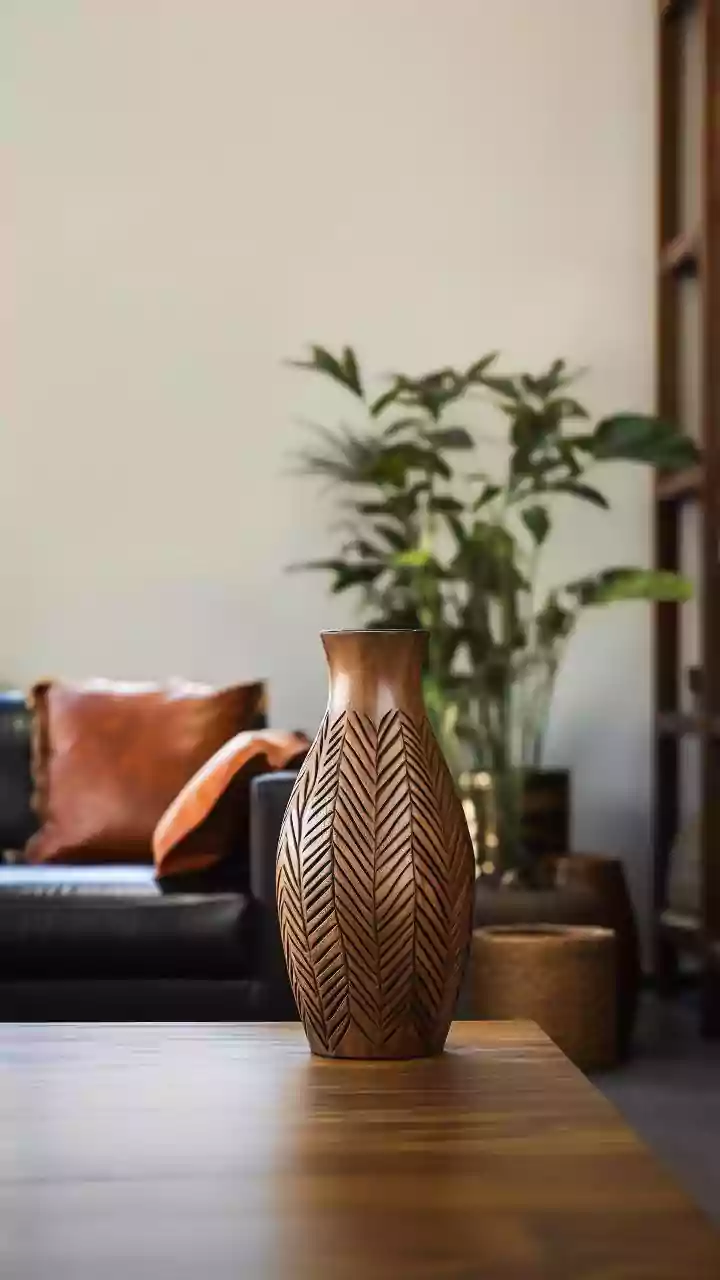
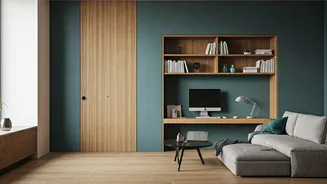
This embrace of nature in India is also part of a global conversation. It shares a soul with the Scandinavian concept of *hygge* (coziness) and the Japanese philosophy of *wabi-sabi* (finding beauty in imperfection). In fact, the fusion style of 'Japandi'—a mix of Japanese minimalism and Scandinavian warmth—is incredibly popular in India, as its emphasis on natural materials, clean lines, and uncluttered spaces aligns perfectly with the current mood. However, Indian designers are giving these global trends a distinctly local flavor. Instead of blonde woods, they use tropical hardwoods like teak and rosewood. Instead of plain pottery, they incorporate artisanal ceramics with regional motifs. It’s a confident aesthetic that feels worldly and well-traveled, yet unmistakably rooted in its own soil. This fusion creates spaces that are sophisticated and globally relevant without sacrificing a sense of place and identity.