

Beyond the Beach Chair
When Americans think of “monsoon,” they often picture the torrential rains of Southeast Asia. But the U.S. has its own version: the North American Monsoon. From roughly late June through September, a shift in wind patterns pulls moisture up from the Pacific
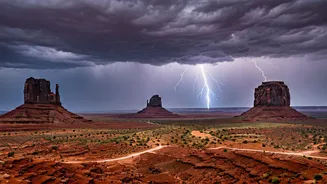
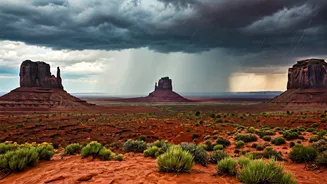
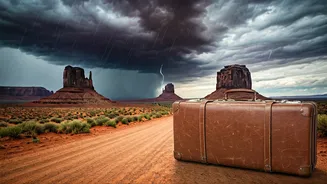
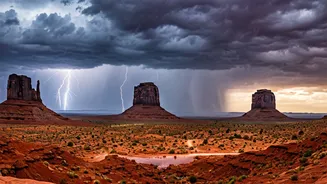
Ocean and Gulf of Mexico into the arid landscapes of Arizona, New Mexico, and parts of Utah, Colorado, and Texas. The result isn't a constant downpour but a daily cycle of stunning meteorological drama. Mornings often start clear and hot, but by afternoon, towering cumulonimbus clouds build on the horizon, culminating in spectacular, albeit brief, thunderstorms. A monsoon trip isn't about sitting in the rain; it's about witnessing the raw power and beauty of nature as the desert sky puts on a daily show of lightning, thunder, and life-giving rain.
The Appeal of the Storm
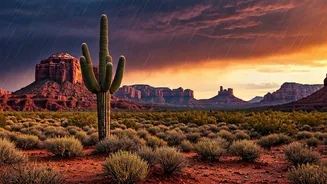
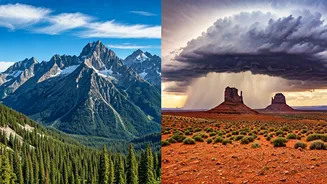
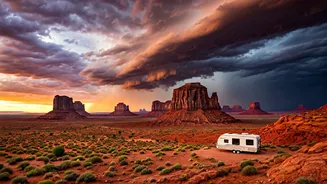
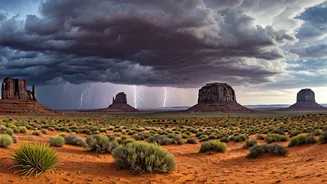
So, why is trading a sunny beach for a potential thunderstorm a “smart” move? First, it’s an escape from the oppressive, triple-digit dry heat that defines early summer in the Southwest. The afternoon rains bring a welcome drop in temperature and raise the humidity, making evenings pleasant and comfortable. Second, it’s a sensory feast. The smell of the desert after a rain—a scent produced by the creosote bush, known as petrichor—is an iconic and unforgettable experience. The landscape, parched and brown for months, transforms almost overnight. Cacti bloom, wildflowers sprout, and the entire ecosystem seems to exhale in relief. For photographers and nature lovers, the appeal is obvious: the contrast of dark, stormy skies against the red rocks and saguaros creates breathtaking vistas unlike any other time of year. It’s a chance to see a popular region in its most dynamic and vital state, often with fewer crowds than in the peak spring season.
Prime Monsoon Destinations
While the monsoon affects a large area, some spots are legendary for their viewing opportunities. Tucson, Arizona, is arguably the capital of monsoon chasing. The city is surrounded by mountain ranges that help generate the storms, and there are countless vantage points, from downtown hotel rooftops to scenic drives like Gates Pass, where you can watch the thunderheads roll in. Many local restaurants and bars even have “monsoon patios” designed for storm watching. Santa Fe and Albuquerque in New Mexico also offer fantastic experiences. The high-desert setting provides vast, open skies, allowing you to see storms from miles away. The mix of dramatic weather with the region’s distinct adobe architecture creates a uniquely atmospheric trip. For those wanting a more rugged experience, exploring the outskirts of national parks like Saguaro National Park near Tucson or the wilderness areas around the Gila National Forest in New Mexico can provide an immersive front-row seat to the action.
Chasing Storms, Not Risks
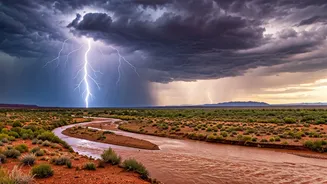
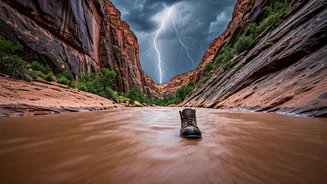
Witnessing a monsoon is awe-inspiring, but it requires respect for nature’s power. Safety must be your top priority. The most significant danger is flash flooding. The hard, sun-baked desert soil doesn’t absorb water quickly, so a short, intense downpour can turn dry riverbeds (arroyos) and low-lying roads into raging torrents in minutes. Heed the ubiquitous local warning: “Turn Around, Don’t Drown.” Never drive through a flooded roadway, even if it looks shallow. Lightning is another serious hazard. If you hear thunder, you are close enough to be struck. Avoid high ground, open fields, and isolated trees. Seek shelter in a sturdy building or a hard-topped vehicle. Before heading out for the day, always check the forecast from the National Weather Service. Planning your activities for the clearer morning hours and preparing to find a safe viewing spot by mid-afternoon is the smartest way to enjoy the show.