


The Monsoon Defiance
For generations, the monsoon in eastern India has been a time for cozying up at home. The torrential downpours can turn streets into canals, making any trip outside a calculated risk. Traditionally, the city’s social life would retreat indoors, sustained
by home-cooked *khichuri* (a savory rice and lentil porridge) and fried snacks. But something has shifted. A new energy is coursing through Kolkata’s veins, and it’s centered around its dining tables. Young Kolkatans and adventurous foodies are defying the deluge, trading the comfort of their couch for a table at the city’s hottest new spots. The fear of missing out on a new tasting menu, a perfectly crafted flat white, or a buzzy atmosphere now outweighs the inconvenience of a downpour. This isn't just about food; it’s a cultural pivot, a declaration that the city's social heart will beat loudly, rain or shine.
The Rise of the 'Aesthetic' Cafe
At the forefront of this movement is the all-day cafe, reimagined as a stylish sanctuary. Forget dingy internet cafes of the past. These are meticulously designed spaces with exposed brick walls, abundant indoor plants, artisanal lighting, and the kind of high-speed Wi-Fi that turns a corner table into a remote office. Places like the various Roastery Coffee House outposts or the charming Bunosilo Estate aren't just selling coffee; they're offering a vibe. They are destinations. On a rainy afternoon, these cafes become humming hubs of activity—freelancers typing away, friends catching up over elaborate desserts, and couples sharing a quiet moment while watching the rain streak down the large glass windows. They are curated environments that feel both aspirational and deeply comforting, providing a photogenic and weatherproof escape from the world outside.
Reimagining Bengali Classics
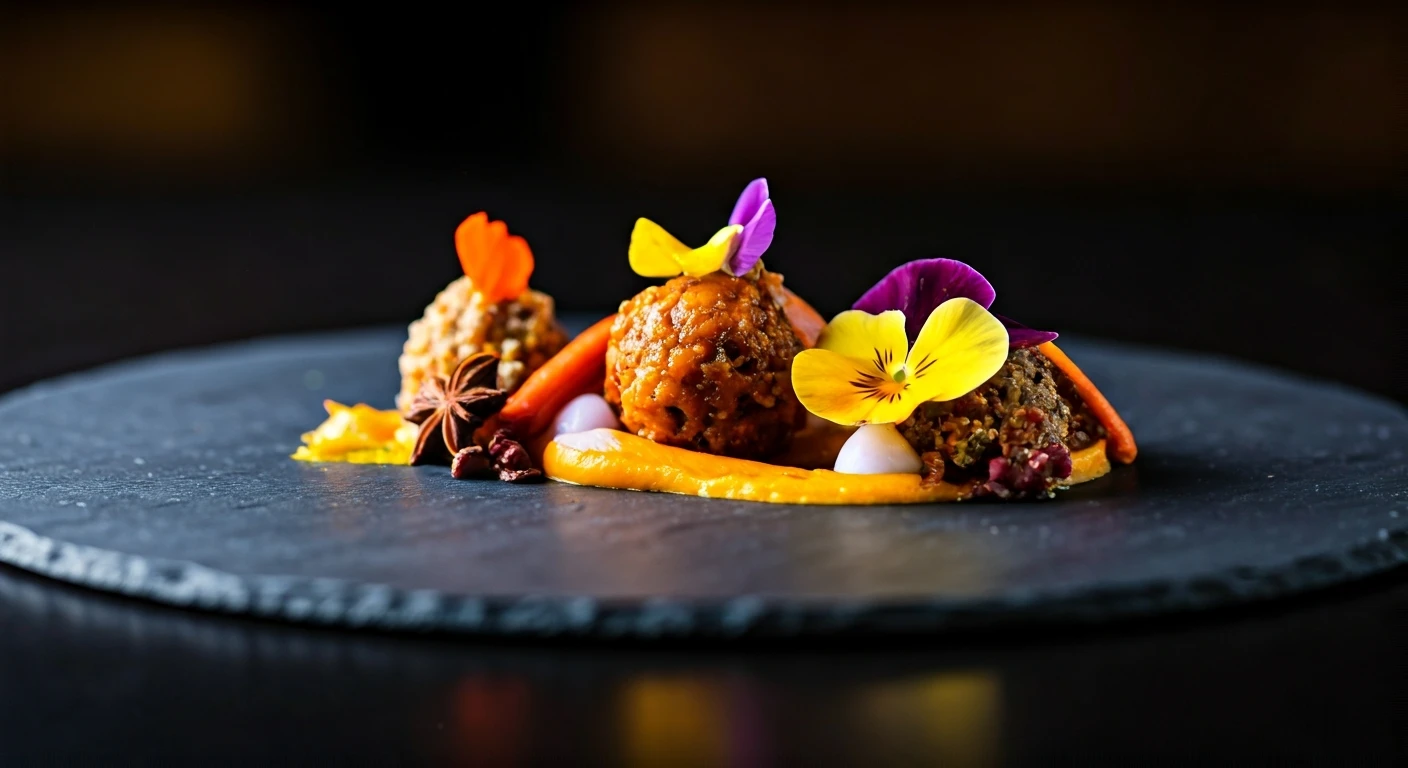
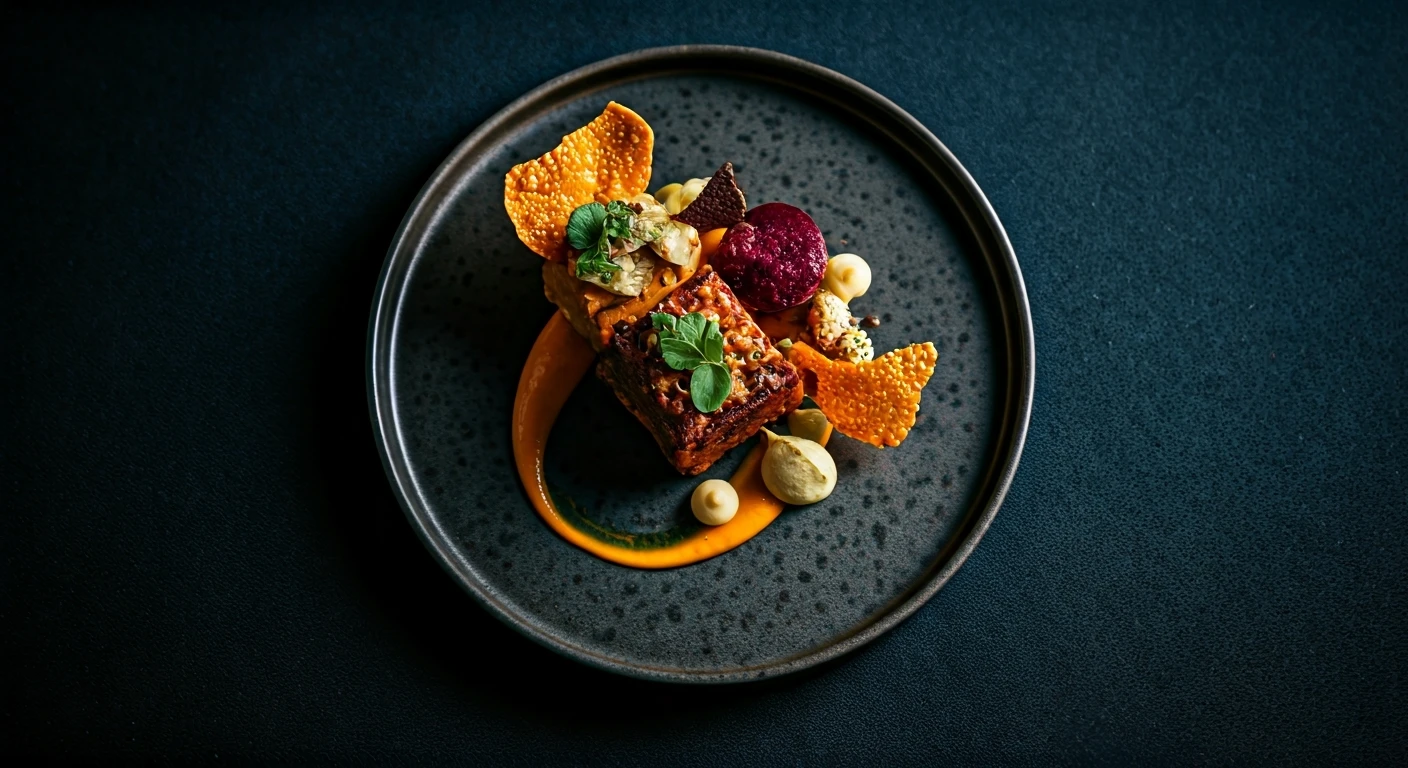
While global trends are influential, this culinary renaissance is also deeply rooted in its own culture. A new generation of chefs is diving deep into the archives of Bengali cuisine and emerging with fresh, modern interpretations. They’re deconstructing age-old recipes and presenting them in a way that feels both novel and nostalgic. You might find a traditional *paturi* (fish steamed in banana leaves) presented with a contemporary flair, or a forgotten heirloom rice variety starring in a new grain bowl. Restaurants aren't just copying global trends; they're asserting a confident new Bengali identity on the plate. This fusion of old and new creates a compelling narrative that draws diners in, offering them a taste of their heritage served with a side of surprise.
From Neighborhood Gem to Global Palate
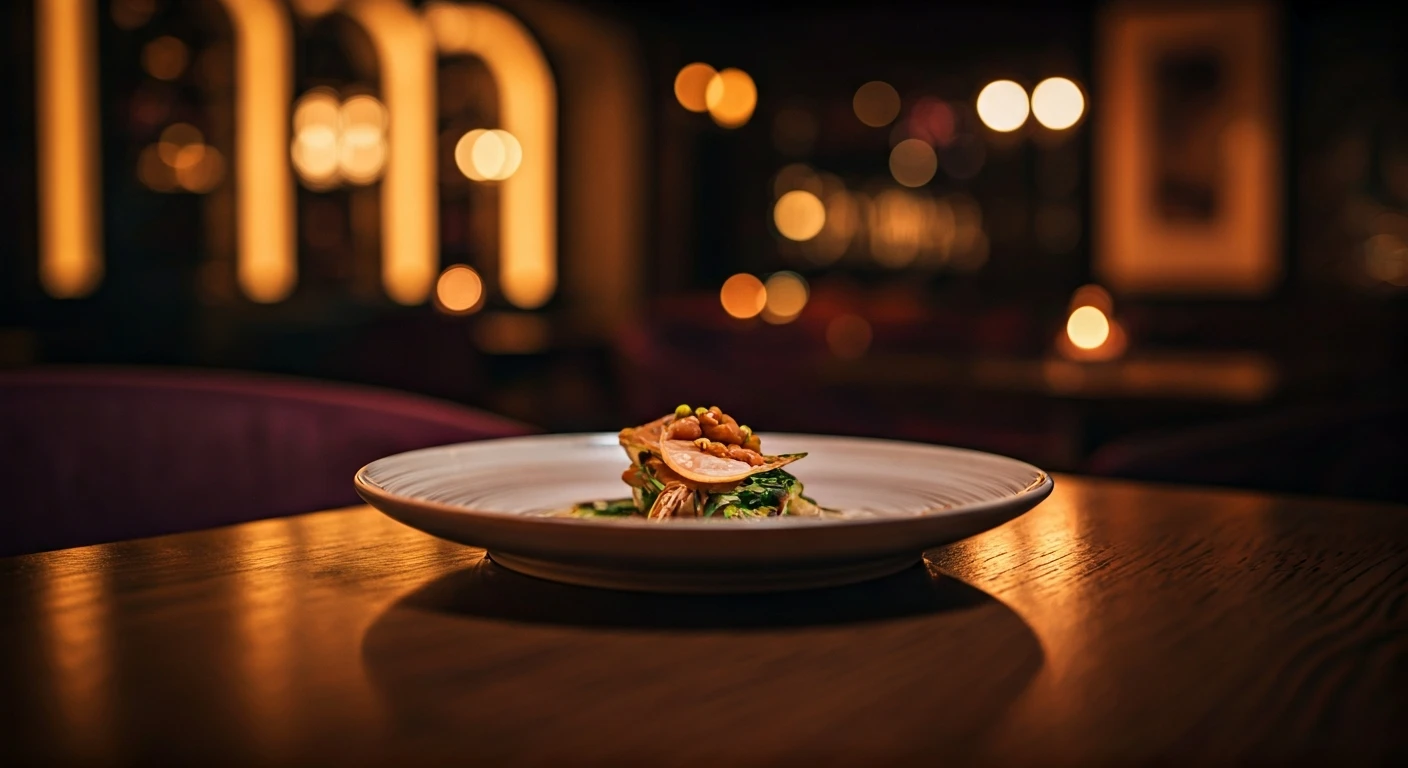
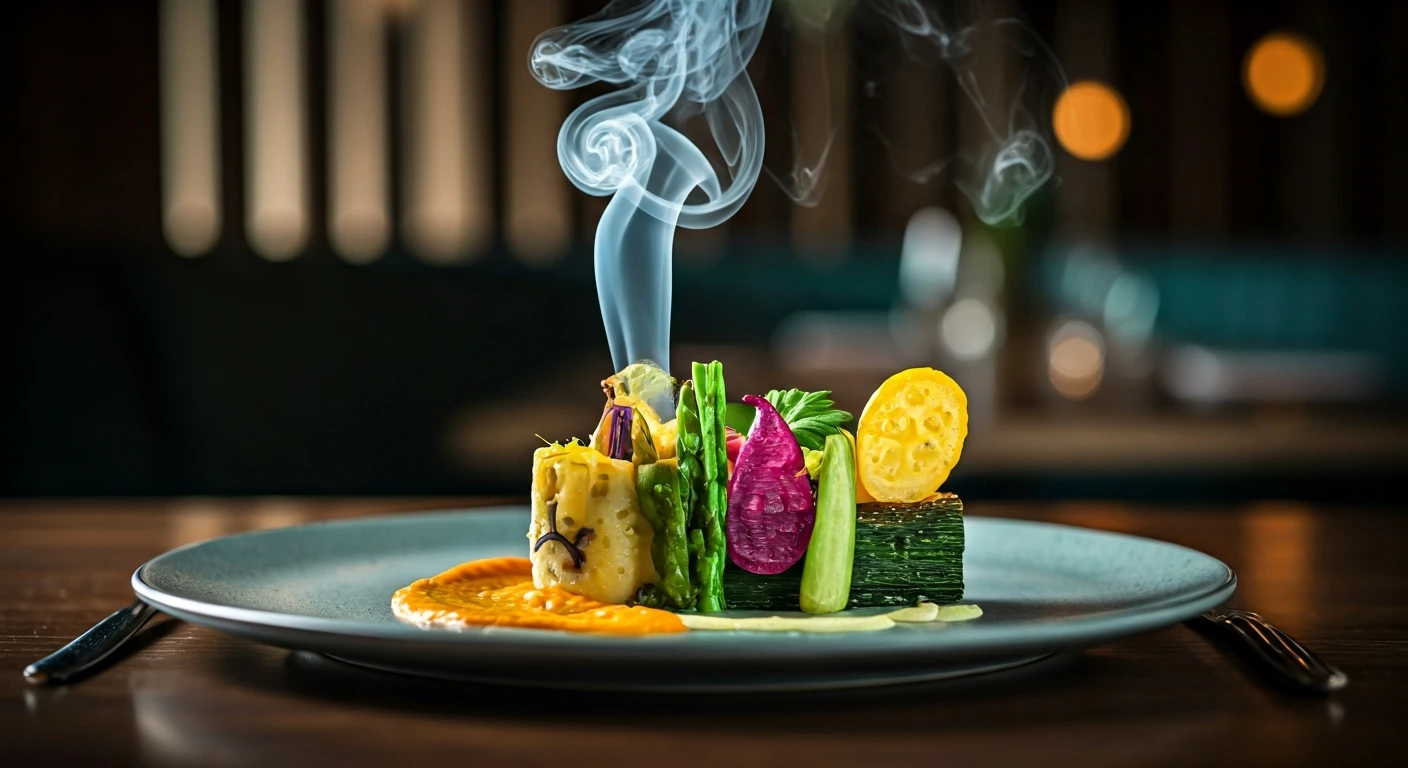
The boom isn't confined to a single type of cuisine. It's a city-wide explosion of flavor and ambition. Alongside modern Bengali eateries, you’ll find authentic Tibetan kitchens that have expanded from humble beginnings, upscale pan-Asian bistros, and specialized dessert bars that could hold their own in New York or London. This diversity speaks to a city that is becoming more cosmopolitan, with palates that are increasingly curious and demanding. Restaurateurs are responding with bold concepts, investing in everything from sourcing high-quality ingredients to training staff in international service standards. The result is a dining scene that feels dynamic and world-class, making Kolkata a legitimate food destination not just for Indians, but for international travelers seeking the next great culinary city.