



Why the sudden shift?
It’s not so sudden if you look closely. The “plant-based” movement has successfully moved vegetarian and vegan eating from a niche lifestyle to a mainstream choice, with options available everywhere from fast-food chains to Michelin-starred restaurants.
Simultaneously, our collective focus on wellness has put protein on a pedestal. Once the domain of bodybuilders, protein is now widely understood as crucial for satiety (feeling full), muscle maintenance, and overall energy. The result? Americans are no longer just asking, “Is it plant-based?” They’re also asking, “But where’s the protein?” This has fueled a demand for vegetarian meals that are not only ethical and environmentally friendly but also seriously satisfying and nutritionally robust. It's the evolution of the veggie burger from a mushy patty to a hearty, protein-forward centerpiece that you’d choose over a beef burger, not just as a substitute for one.
1. Lentils: The Humble Heavyweight
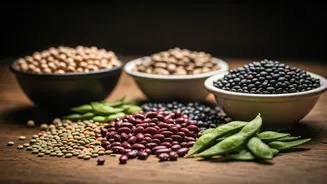
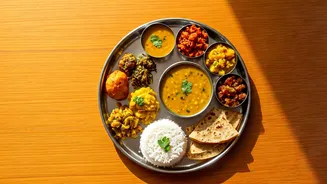
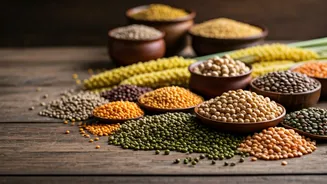
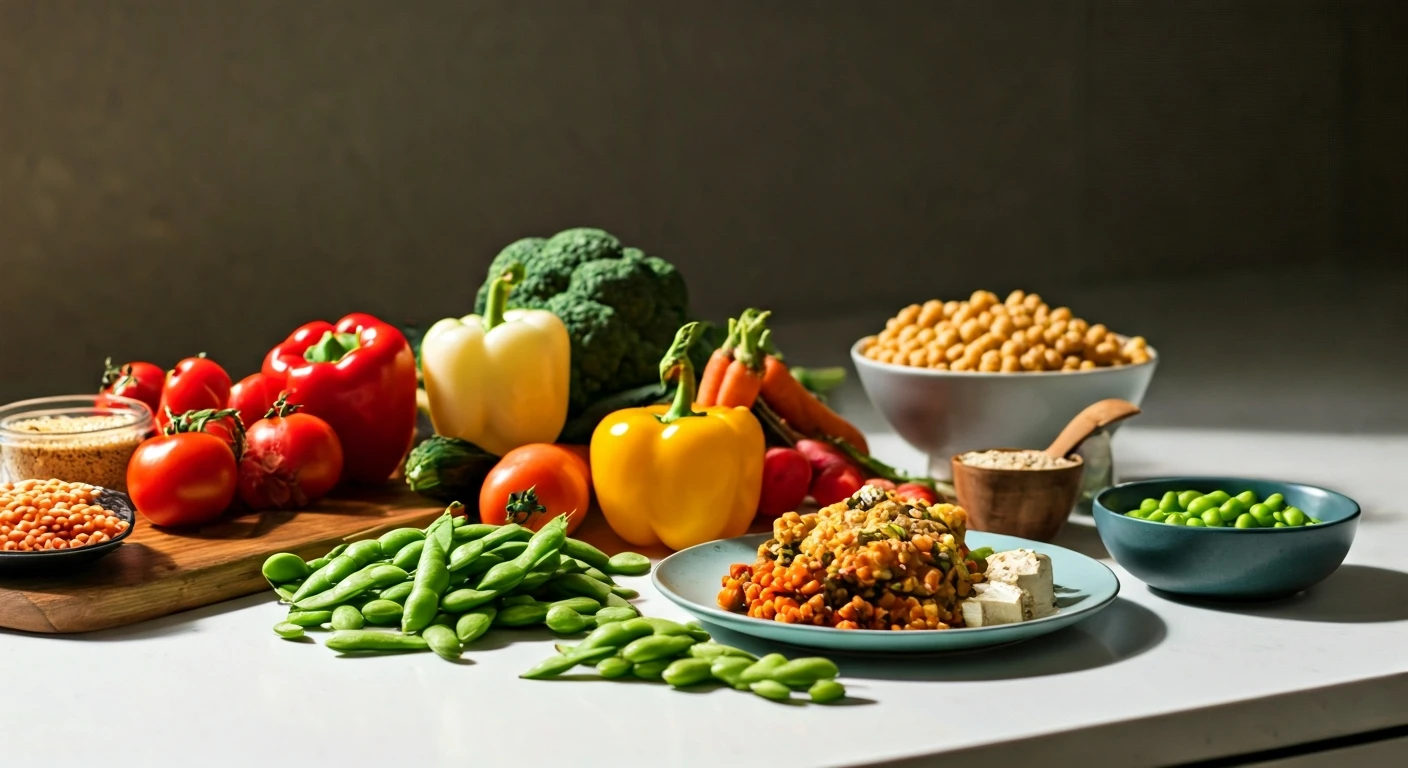
Often overlooked, lentils are one of the most efficient and affordable protein sources in the plant kingdom. A single cooked cup packs around 18 grams of protein and a healthy dose of fiber. They come in various colors—brown, green, red, and black—each with a slightly different texture and cooking time. Red lentils break down quickly, making them perfect for creamy soups and curries like Indian dal. Brown and green lentils hold their shape better, making them ideal for hearty salads, veggie loafs, or as a base for a plant-based shepherd’s pie. They require no soaking and cook in about 20-30 minutes, making them a weeknight dinner hero.
2. Chickpeas: The Versatile All-Star
If there's one ingredient that embodies this trend, it's the chickpea (or garbanzo bean). With about 15 grams of protein per cooked cup, its utility is almost limitless. We all know and love it in hummus, but its potential goes far beyond a dip. Roasted chickpeas become a crunchy, savory snack or salad topper that rivals croutons. Smashed chickpeas, mixed with vegan mayo and celery, create a fantastic substitute for tuna or chicken salad in sandwiches. They also add heft and protein to pasta dishes, stews, and grain bowls. For a quick and satisfying meal, toss a can of chickpeas (rinsed and drained) with olive oil, spices, and roast at 400°F until golden and crisp.
3. Tofu, Tempeh, and Edamame: The Soy Power Trio
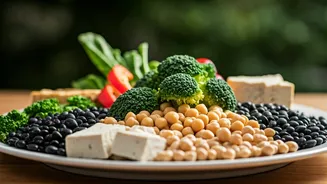
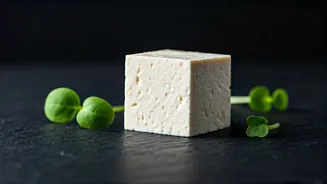
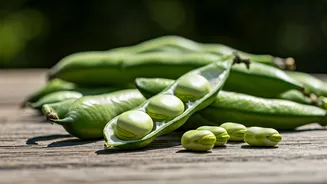
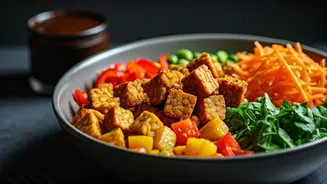
Soy gets a modern, protein-focused makeover. Firm or extra-firm tofu (about 20 grams of protein per cup) is a blank canvas that excels at absorbing marinades. The key is to press it first to remove excess water, allowing it to get crispy when baked, pan-fried, or air-fried. Tempeh, its fermented cousin, offers a firmer, chewier texture and a nutty flavor, with an impressive 30-plus grams of protein per cup. It’s fantastic crumbled into chili or sliced into strips for a plant-based “bacon.” Don’t forget edamame—young soybeans, often served steamed in their pods. A cup of shelled edamame provides around 18 grams of protein and makes for an effortless, satisfying snack or a bright addition to any salad.
4. Quinoa: The Complete Protein Grain
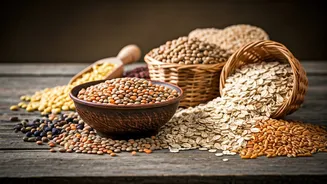
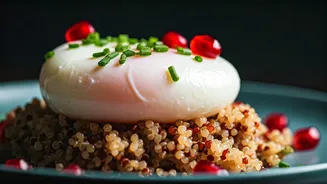
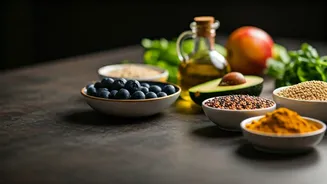
While many grains contain some protein, quinoa stands out. It's a “complete protein,” meaning it contains all nine essential amino acids that the body can't produce on its own—a rare quality in the plant world. A cooked cup offers about 8 grams of high-quality protein. Its mild, slightly nutty flavor makes it an excellent base for grain bowls, a filling for stuffed peppers, or a simple side dish to replace rice. To boost the flavor, cook it in vegetable broth instead of water and toss with fresh herbs, lemon juice, and olive oil. It’s a simple swap that instantly elevates the nutritional profile of any meal.
5. Nuts and Seeds: The Finishing Touch
Never underestimate the power of a good topping. Nuts and seeds are an easy way to add a final boost of protein, healthy fats, and satisfying crunch to almost any dish. A sprinkle of pumpkin seeds (pepitas) or sunflower seeds on a soup or salad can add an extra 3-5 grams of protein. A spoonful of hemp hearts—which contain about 10 grams of protein in just three tablespoons—can be blended into smoothies or stirred into oatmeal. And a dollop of almond butter on your morning toast or in a dipping sauce for spring rolls adds both flavor and functional fuel to get you through the day.