


1. Grasping the Geographic Scale
First, let's get our bearings. Maharashtra is not a city; it's a state roughly the size of Italy, and it contains multitudes. In the west, you have the bustling, coastal metropolis of Mumbai. To the east, you have the historic city of Aurangabad, the gateway
to the world-famous Ajanta and Ellora Caves. In between, you have the Sahyadri mountain range, vineyards near Nashik, and the cultural hub of Pune. A common mistake for first-timers is underestimating the distances. Driving from Mumbai to Aurangabad can take over seven hours, and a train journey is a similar commitment. You can't just 'pop over' to the caves from your Mumbai hotel. Your itinerary needs to account for significant travel days between major points of interest, treating each leg of the journey as a distinct logistical step.
2. The Monsoon is Not a Vibe, It's a Season
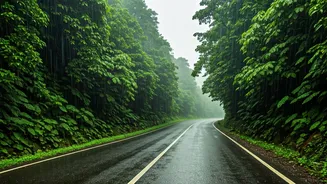
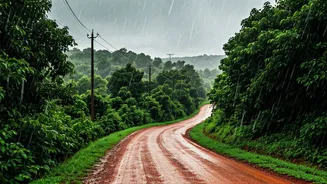
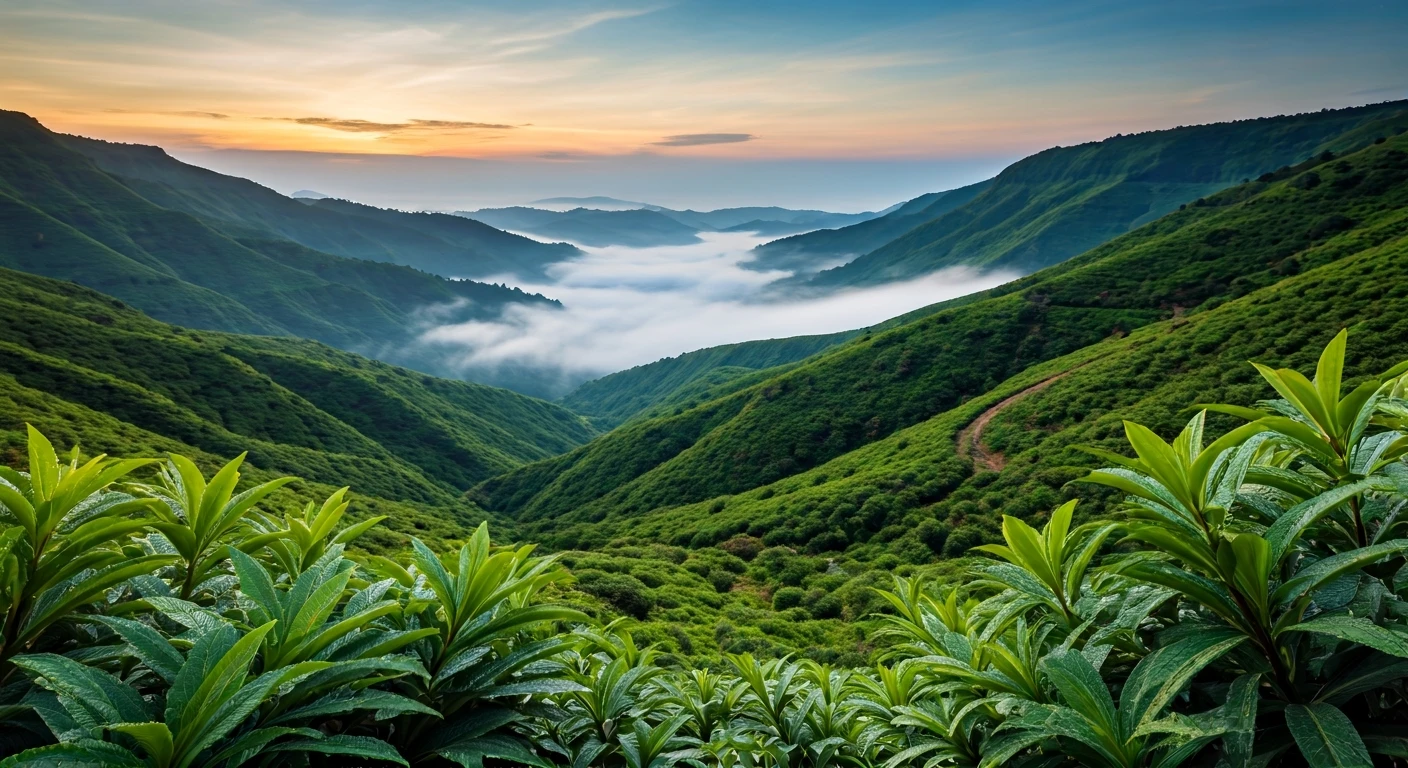
For much of the U.S., weather planning means packing a raincoat. In Maharashtra, it dictates your entire trip. The monsoon season, typically running from June to September, is a force of nature. While it brings lush, green landscapes, it can also bring torrential downpours, flooding, and major travel disruptions. Train lines can be delayed, roads in rural areas can become impassable, and beach destinations are a washout. The best times to visit are generally during the cooler, drier months from October to February. The shoulder months of March and May are manageable but can get extremely hot. Ignoring the seasonal calendar is the fastest way to turn your dream trip into a series of frustrating, weather-related cancellations.
3. Transportation Requires Advance Booking
India's train system is an iconic part of the travel experience, but you can't just show up at the station and expect to hop on the next long-distance express. Popular routes, especially for overnight journeys or in comfortable air-conditioned classes, sell out weeks or even months in advance. Navigating the Indian Railways booking system (IRCTC) can be a learning curve in itself, often requiring patience and a registered account. While domestic flights are a great way to cover long distances quickly (like Mumbai to Aurangabad), these also require booking ahead for the best fares. Relying on last-minute bus tickets is an option for the truly adventurous, but for most travelers seeking comfort and reliability, pre-booking your main transport links is non-negotiable.
4. Tourist Infrastructure Varies Wildly
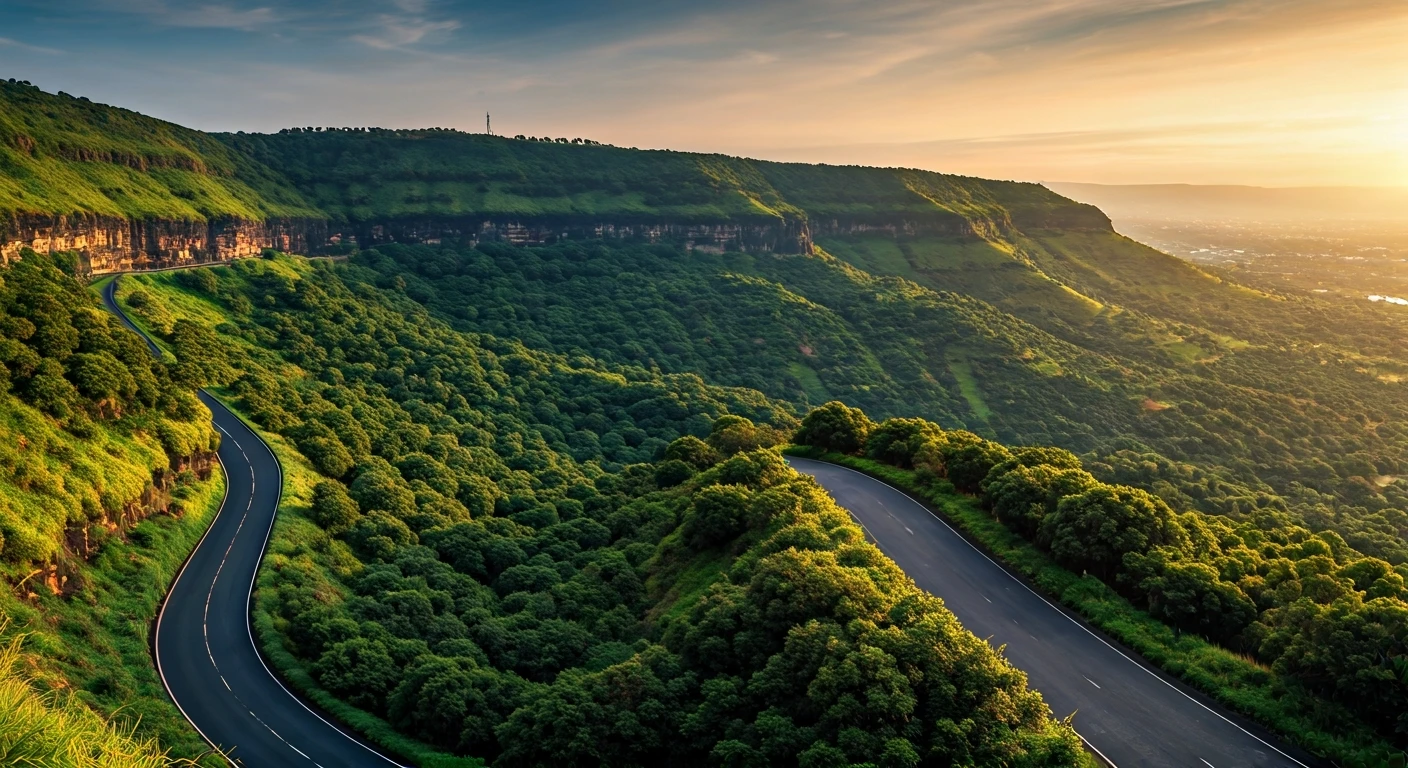
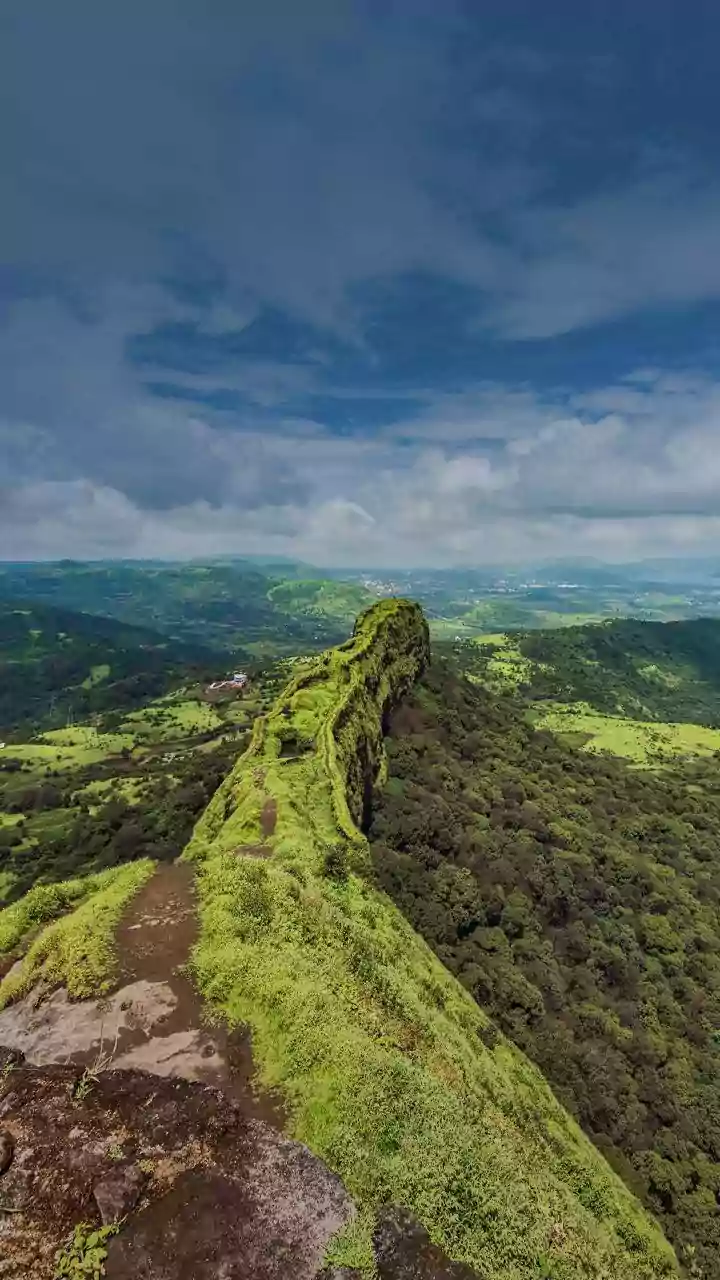
Maharashtra offers a spectrum of travel experiences, and the infrastructure reflects that. In South Mumbai, you can find world-class luxury hotels, Ubers, and fine-dining restaurants that rival any global capital. But as you venture out to more remote sites, like the stunning hilltop forts or ancient cave complexes, the amenities change. You may be dealing with local guesthouses, relying on hired drivers, and eating at simple, local eateries. This isn't a bad thing—it's part of the adventure—but it requires mental and practical preparation. You'll need to carry more cash, be prepared for less-than-perfect roads, and understand that Wi-Fi might be a distant memory. Planning means knowing which parts of your trip will be cosmopolitan and which will require a more rugged, flexible mindset.
5. Pacing Your Itinerary is Crucial
India, and Maharashtra within it, operates on a different rhythm. The sheer density of people, sounds, and sights can be overwhelming for first-time visitors, a phenomenon often called 'culture shock.' A common planning mistake is trying to cram too much into each day. A schedule that looks reasonable on paper—three museums, a market visit, and a specific restaurant for dinner—can feel like a frantic marathon on the ground. Traffic can turn a 20-minute ride into an hour-long ordeal. A simple walk through a market can become a two-hour sensory exploration. The best Maharashtra itineraries build in downtime. Plan for one or two major activities per day, leaving room for spontaneous discoveries and, frankly, for rest and processing.