



From Material to Experiential
For decades, the luxury hotel playbook was simple: more is more. Higher thread counts, bigger television screens, fancier minibars, and more elaborate spa menus. Luxury was a checklist of tangible assets. But in an age of digital burnout and constant
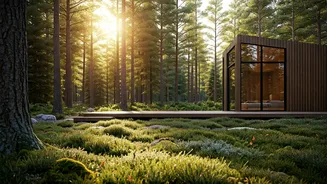
connectivity, the most valuable commodity is becoming something far more elusive: quiet, mindful disconnection. Affluent travelers are no longer just seeking indulgence; they're seeking restoration. This has sparked a fundamental shift in the hospitality industry, where the focus is moving away from purely material comforts and toward curated, meaningful experiences. A private, guided walk through a pristine forest is, in this new paradigm, more valuable than a bottle of complimentary champagne. It’s an amenity that offers a genuine psychological return on investment, promising not just a good night's sleep, but a calmer mind.
The Rise of 'Forest Bathing'
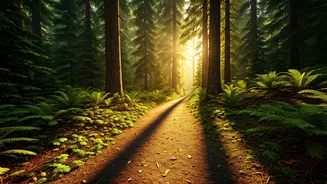
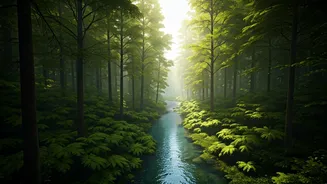
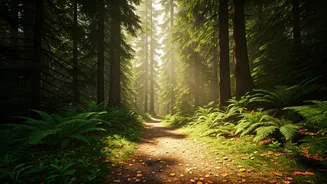
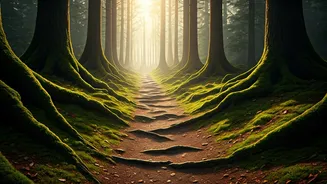
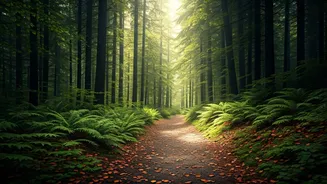
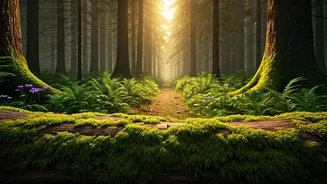
The cultural underpinning for this trend has a name: *shinrin-yoku*. This Japanese practice, which translates to “forest bathing,” is not about exercise or hiking to a destination. It’s a slow, deliberate process of immersing oneself in the atmosphere of the forest. Developed in the 1980s in Japan as a response to high rates of stress-related illness, the practice encourages participants to engage all five senses: listening to the birdsong, feeling the texture of bark, smelling the damp earth, and observing the play of light through the leaves. While the claims of specific health benefits—like lowered cortisol levels and boosted immune function—are often part of the marketing, the core appeal is intuitive. It feels good to be in nature. Hotels have seized upon the concept, repackaging it from a simple wellness practice into a sophisticated, premium offering. By giving it an exotic-sounding name and a structured framework, they have transformed a simple walk in the woods into a billable, marketable luxury experience.
What a Luxury Forest Walk Looks Like
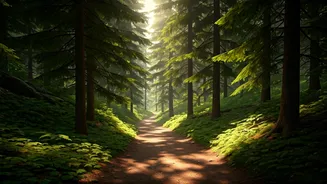
This isn’t just a suggestion to “go take a hike.” A luxury forest walk is a highly curated event. At high-end resorts like Blackberry Farm in Tennessee or The Lodge at Woodloch in Pennsylvania, it means being led by a dedicated forest therapy guide. This guide is trained not just in local ecology but also in mindfulness techniques, helping guests slow down and notice details they would otherwise miss. The experience might begin with a grounding ritual and end with a wild-foraged tea ceremony deep in the woods. Access is often exclusive, taking guests to private, impeccably maintained trails on vast estates, far from public crowds. The pace is intentionally slow, often covering less than a mile in two hours. The focus is on sensory engagement, not mileage. It's the difference between grabbing a coffee to go and participating in an elaborate, multi-step Japanese tea ceremony. The walk itself is just the beginning; the luxury is in the curation, the exclusivity, and the expert guidance that transforms it from an activity into a restorative ritual.
The Search for Authenticity
Ultimately, the rise of the forest walk as a luxury amenity speaks to a deeper cultural yearning. In a world saturated with digital facsimiles and performative online lives, there is a powerful draw toward things that feel real, grounded, and authentic. A forest is undeniably real. It doesn't care about your job title or your follower count. This desire for an unvarnished reality is the new status symbol. It signals that you have the time and resources to disconnect from the frantic digital world and reconnect with the physical one. It’s a quiet rebellion against the pressures of modern life. By offering these guided escapes, luxury properties are selling more than just a walk; they are selling a temporary antidote to the very anxieties that their target demographic—successful, busy, and often over-stimulated professionals—is trying to escape.