


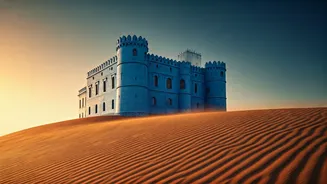


An Ocean of Sand
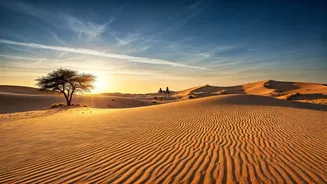
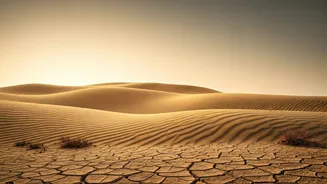
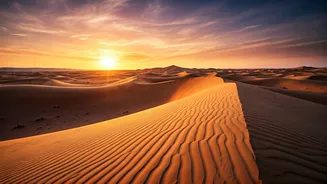
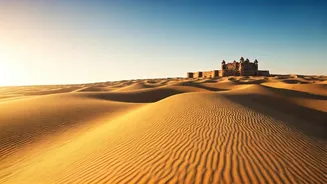
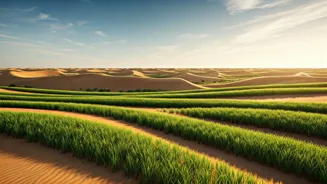
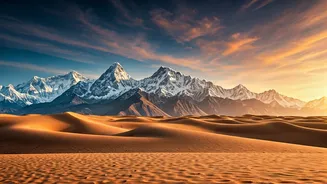
To stand at the edge of the Thar Desert is to feel humbled by scale. It’s not an empty void; it’s a living, breathing sea of sand that stretches to the horizon. By day, under a vast, cloudless sky, the dunes shift in the wind, their crests sharpened like
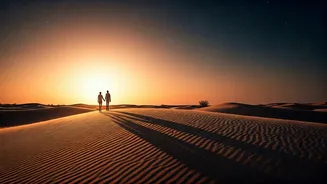
blades. The heat is a physical presence, radiating from the ground in shimmering waves. But it's the silence that truly defines the experience—a profound quiet broken only by the whisper of the wind or the distant cry of a hawk. This is the “dry” part of the equation: a stark, powerful environment that has shaped every aspect of life for centuries. Yet, even in its sparseness, there’s an undeniable beauty. As the sun begins its descent, the entire landscape is set ablaze in shades of apricot, rose, and violet, transforming the harshness of the day into a spectacle of soft, otherworldly light.
The Golden Citadel
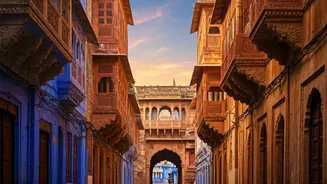
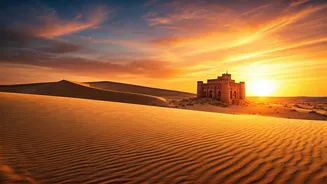
Rising from the desert like a colossal sandcastle is Jaisalmer, the “Golden City.” This is where the dream begins to take solid form. Carved from the local yellow sandstone, the city and its magnificent living fort seem to grow organically from the earth. Unlike the abandoned castles of Europe, the Jaisalmer Fort is a vibrant, bustling community where thousands of people still live and work within its ancient walls. Its narrow, winding alleyways are a sensory overload in the best possible way, filled with the scent of incense and spices, the vibrant colors of mirrored textiles hanging in shopfronts, and the intricate facades of historic *havelis* (traditional mansions). Walking through the fort feels less like visiting a tourist site and more like stepping through a portal into another era, where every stone tells a story of Silk Road traders, Rajput warriors, and royal intrigue.
A Splash of Blue
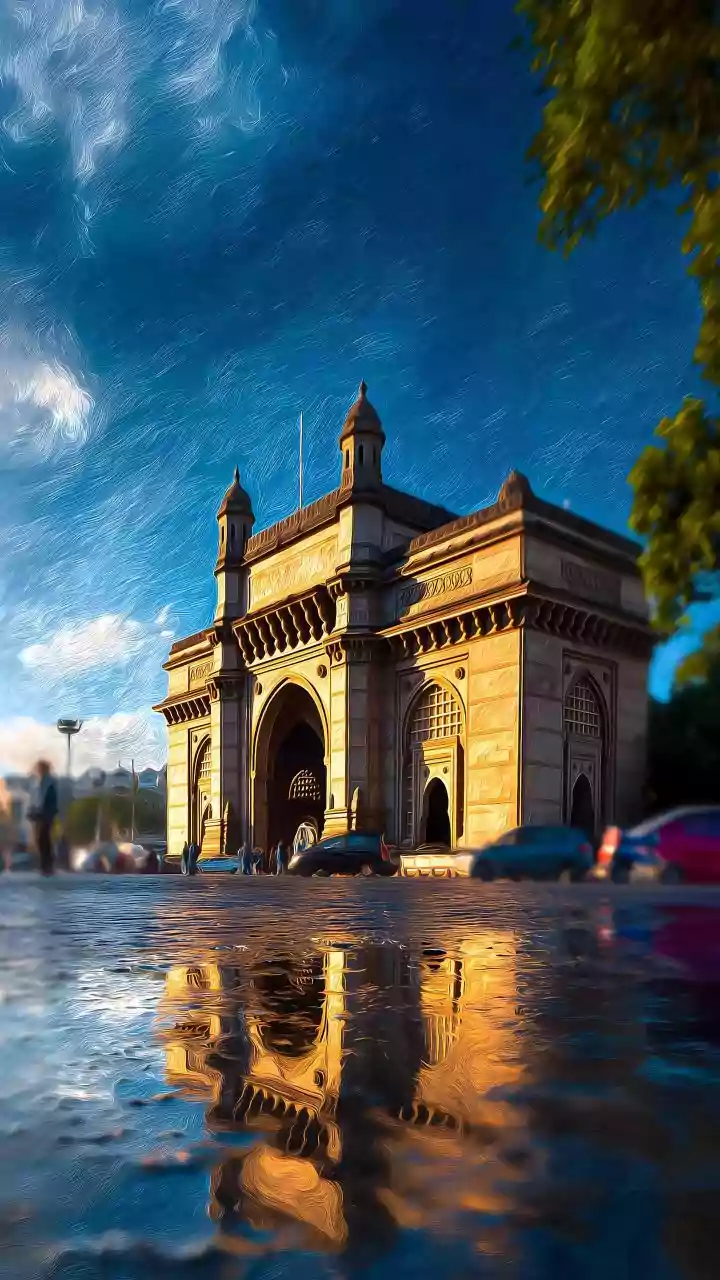
A few hours east, the desert palette shifts dramatically. Jodhpur, the “Blue City,” provides a stunning visual counterpoint to the golden hues of Jaisalmer. From the imposing heights of the Mehrangarh Fort, which looms over the city from a rocky cliff, the old town below is a jumble of cubic buildings painted in startling shades of indigo and azure. Originally a marker for the homes of Brahmins, the city’s highest caste, the color is now said to repel heat and insects. Whatever the reason, the effect is mesmerizing. It transforms the city into an oasis of cool color in an otherwise arid landscape. Exploring its labyrinthine streets offers a different kind of energy—a chaotic, thrumming urban experience grounded in the same deep history that permeates the entire region.
Echoes in the Dunes
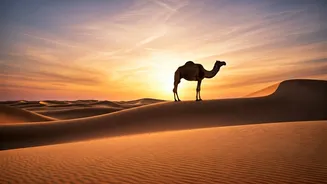
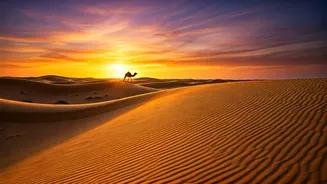
The true “dreamy” quality of Rajasthan’s desert, however, is found not just in its sights, but in its soul. The quintessential experience is a camel safari into the dunes. As your caravan sways gently across the sand, the modern world and its anxieties simply fall away. The day ends around a crackling campfire, where local musicians might play the haunting melodies of the *ravanahatha*, a stringed instrument, and Kalbelia dancers, clad in black dresses adorned with intricate embroidery, perform a serpentine dance that mimics the movements of a cobra. It’s in these moments—sharing a simple meal under a blanket of stars more brilliant than you’ve ever seen, listening to stories passed down through generations—that the desert reveals its heart. It’s a place of immense hardship, yet it has cultivated a culture of incredible warmth, resilience, and profound hospitality.