

The Age of Snack Sameness
For a country with thousands of years of culinary history and dozens of distinct regional cuisines, India’s packaged snack market had become surprisingly uniform. For the past few decades, large national and multinational corporations have dominated,
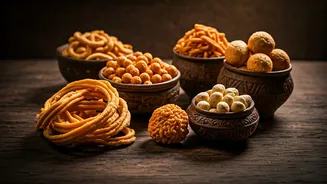
pushing mass-produced potato chips, extruded puffs, and generic savory biscuits. While delicious in their own right, these products tended to flatten the country's incredible gastronomic diversity. A salty, spicy chip in Mumbai tasted much like one in Kolkata. This standardization meant that countless hyper-local, small-batch snacks—the kind once made in neighborhood kitchens or for specific festivals—were at risk of fading away. The `mathri` from Rajasthan, the `bhakarwadi` from Maharashtra, the `achappam` from Kerala; these were treats tied to place, memory, and community. For a younger, urbanized generation, they were becoming little more than stories their grandparents told.
A Craving for Authenticity
But something has shifted. Much like the farm-to-table or craft beer movements in the U.S., a powerful counter-trend is emerging in India, driven by a new generation's hunger for authenticity. Urban millennials and Gen Z, often living far from their ancestral hometowns, are seeking connections to their roots. Food, as it so often does, has become the primary vehicle for this rediscovery. This isn’t just about nostalgia; it’s about identity. In a globalized world, having a unique, tangible piece of your specific culture is a powerful anchor. These consumers aren't just buying a snack; they're buying a connection to a place, a story, and a tradition they fear is slipping away. They want to taste the flavors of their grandmother’s cooking, even if they’re ordering it from an app in a high-rise apartment hundreds of miles away.
Startups as Cultural Curators
Into this gap have stepped a host of nimble, direct-to-consumer startups. Brands like The State Plate, Adukale, and Postcard Snacks are acting as cultural curators, scouring the country for the best regional specialties and bringing them to a national online audience. Their genius lies not just in sourcing the products, but in selling the story behind them. Their websites and social media feeds are filled with more than just product shots. They feature the stories of the home cooks—often women—who make the snacks using generations-old recipes. They explain the cultural significance of an ingredient or the role a particular dish plays in a local festival. For example, you don't just buy `thekua`, a crunchy wheat cookie from the state of Bihar; you learn it’s an essential offering during the Chhath Puja festival. This narrative transforms a simple commodity into a piece of living history.
Tasting the Story
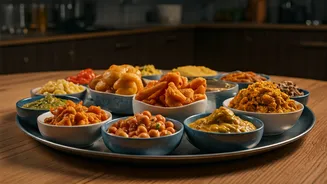
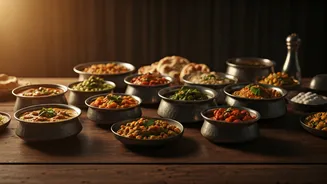
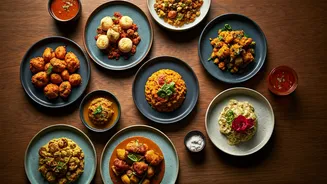
The snacks themselves are a journey across India’s diverse palate. There’s the Maharashtrian `bhakarwadi`, a tightly wound spiral of fried dough filled with a tangy, spicy, and sweet mixture of poppy seeds, coconut, and sesame. From Gujarat comes the `chorafali`, a light, airy, and impossibly crispy cracker made from lentil flours, perfect for the festival of Diwali. Head south to Kerala, and you'll find delicate, rose-shaped `achappam` cookies, made from rice flour and coconut milk, pressed with a special iron mold. Each snack offers a distinct texture and flavor profile that is inseparable from its region of origin. By making them accessible, these companies are essentially creating a national library of taste, allowing someone in Delhi to experience a flavor unique to a small town in Karnataka, and vice-versa.