



Why Mangoes Can Be a Gamble
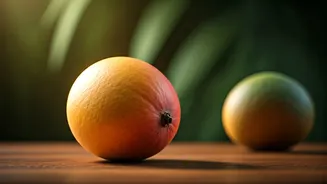
The mango in your grocery store has likely traveled thousands of miles. Picked while still green and firm to survive the journey, it undergoes a complex ripening process that doesn't always go according to plan. Unlike an apple or orange, a mango ripens
from the inside out, starting at the seed. This means the exterior can look fine while the interior flesh has already become stringy, sour, or mushy. Furthermore, their high sugar content and thin skin make them an attractive target for mold and bacteria once they're ripe, requiring a careful eye from the consumer at every stage, from the produce aisle to the kitchen counter.
At the Store: Your First Line of Defense
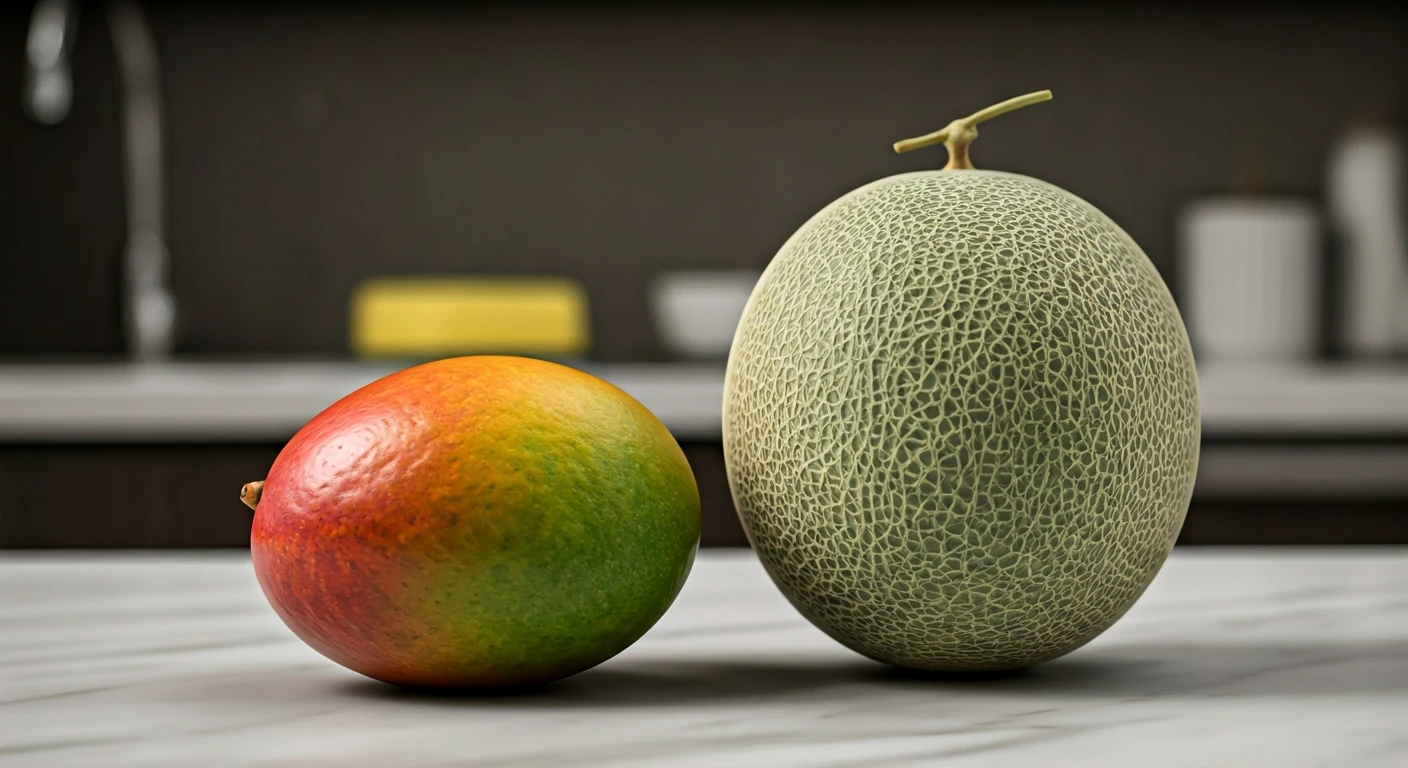
Your best chance of getting a good mango starts at the store. Don't just grab the prettiest one; use your senses. **Feel:** Gently squeeze the mango. A ripe mango will give slightly, similar to a ripe peach or avocado. If it’s rock-hard, it’s unripe. If it’s overly soft or has distinct mushy spots, it’s past its prime. **Smell:** Sniff the area around the stem. A ripe mango should have a fragrant, sweet, and fruity aroma. If you smell nothing, it’s not ready. If it has a sour, fermented, or alcoholic scent, it has started to spoil and should be avoided. **Look:** The color of a mango is not always the best indicator of ripeness, as it varies widely by variety (from the green-skinned Keitt to the blushing Tommy Atkins). Instead, look for smooth, taut skin. Avoid mangoes with significant black spots, shriveled or wrinkled skin, or any signs of oozing liquid near the stem.
Red Flags: Clear Signs of Spoilage
Sometimes a mango looks fine at the store but reveals its problems at home. Before you cut into it, do a final check for these clear signs of spoilage. Large, dark, or mushy areas are a bad sign. Any visible mold—often appearing as white, gray, or black fuzz—means the fruit should be discarded. Because mold can penetrate deeper than is visible, it's not safe to simply cut off the moldy part of a soft fruit like a mango. A sour or fermented smell upon cutting is another dealbreaker. The flesh should be a vibrant golden-yellow or orange; if you see brown, stringy, or grayish flesh, the fruit is no longer good to eat.
The Hidden Risk: Contamination Concerns
Beyond simple spoilage, there's a more serious risk to consider, especially with pre-cut fruit. In recent years, the FDA has issued several recalls for fresh-cut mango products due to potential contamination with bacteria like Salmonella. When fruit is processed and packaged, a single contaminated mango can spread bacteria to an entire batch. This risk is lower with whole mangoes, but it’s a powerful reminder to always wash the outside of your mango thoroughly with running water before you peel or cut it. This prevents any surface contaminants from being transferred by your knife onto the flesh you’re about to eat.
At Home: Proper Storage for Longer Life
How you store your mangoes makes all the difference. If you bring home a hard, unripe mango, leave it on the counter at room temperature. To speed up ripening, you can place it in a paper bag for a day or two. Check it daily by giving it a gentle squeeze. Once your mango is perfectly ripe (it gives slightly and smells fragrant), you can either eat it right away or move it to the refrigerator. The cold will halt the ripening process and keep it in peak condition for up to five days. Never refrigerate an unripe mango, as the cold will damage the flesh and prevent it from ever ripening properly. Cut mango should always be stored in an airtight container in the refrigerator and consumed within a few days.