
First, What Is a 'Vrat'?
Let's start with the basics. In Sanskrit, 'Vrat' means a vow or a resolution, and in practice, it typically involves a period of fasting. But this isn't about complete abstinence from food. For many Hindus, observing a Vrat is a spiritual discipline—a
way to show devotion, practice self-control, and purify the mind and body. These fasts are often tied to specific festivals like Navaratri (a nine-night festival) or recurring lunar days like Ekadashi, which happens twice a month. While the headline points to a specific date, Vrat-friendly food becomes relevant throughout the year. The core idea isn't to starve, but to eat with intention, consuming specific foods that are considered pure or 'sattvic' while abstaining from others.
The Rules of the Vrat Plate
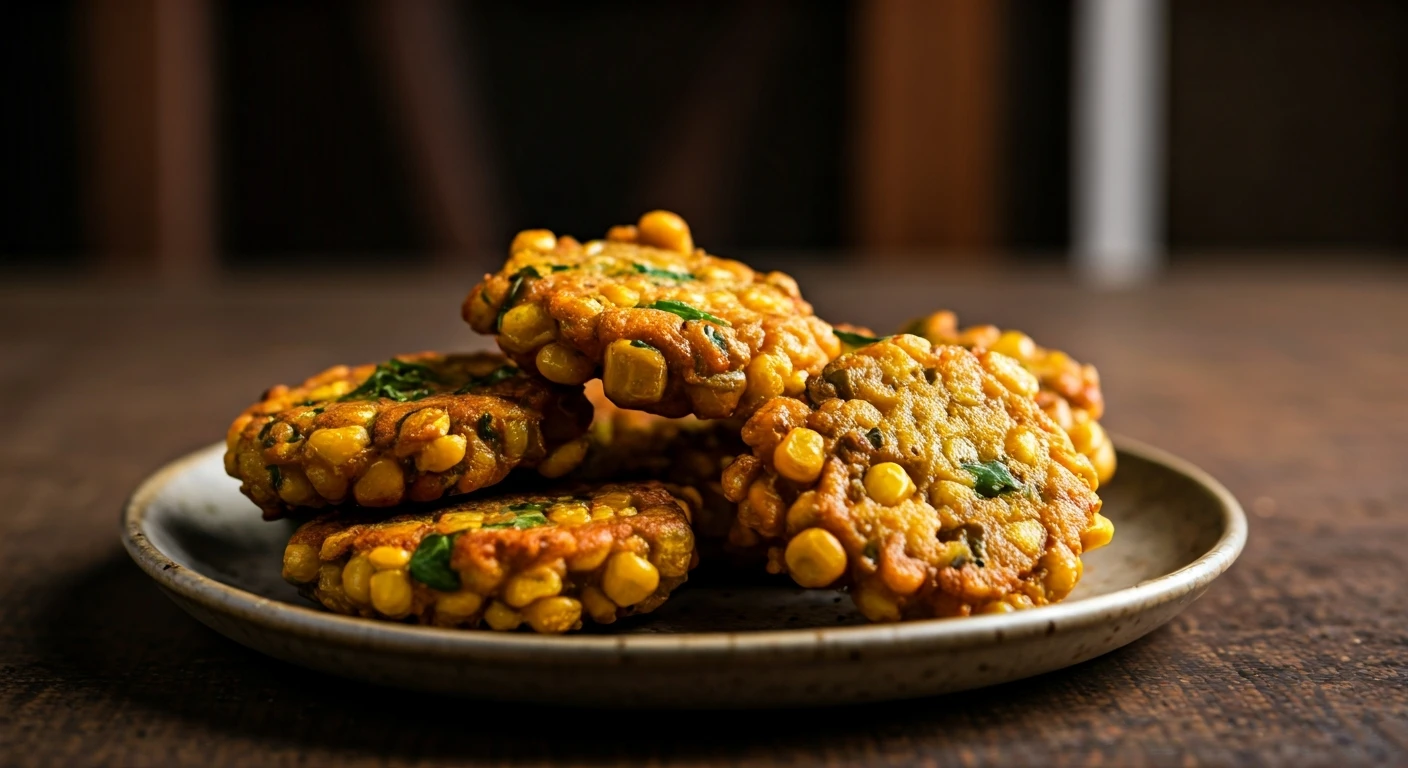
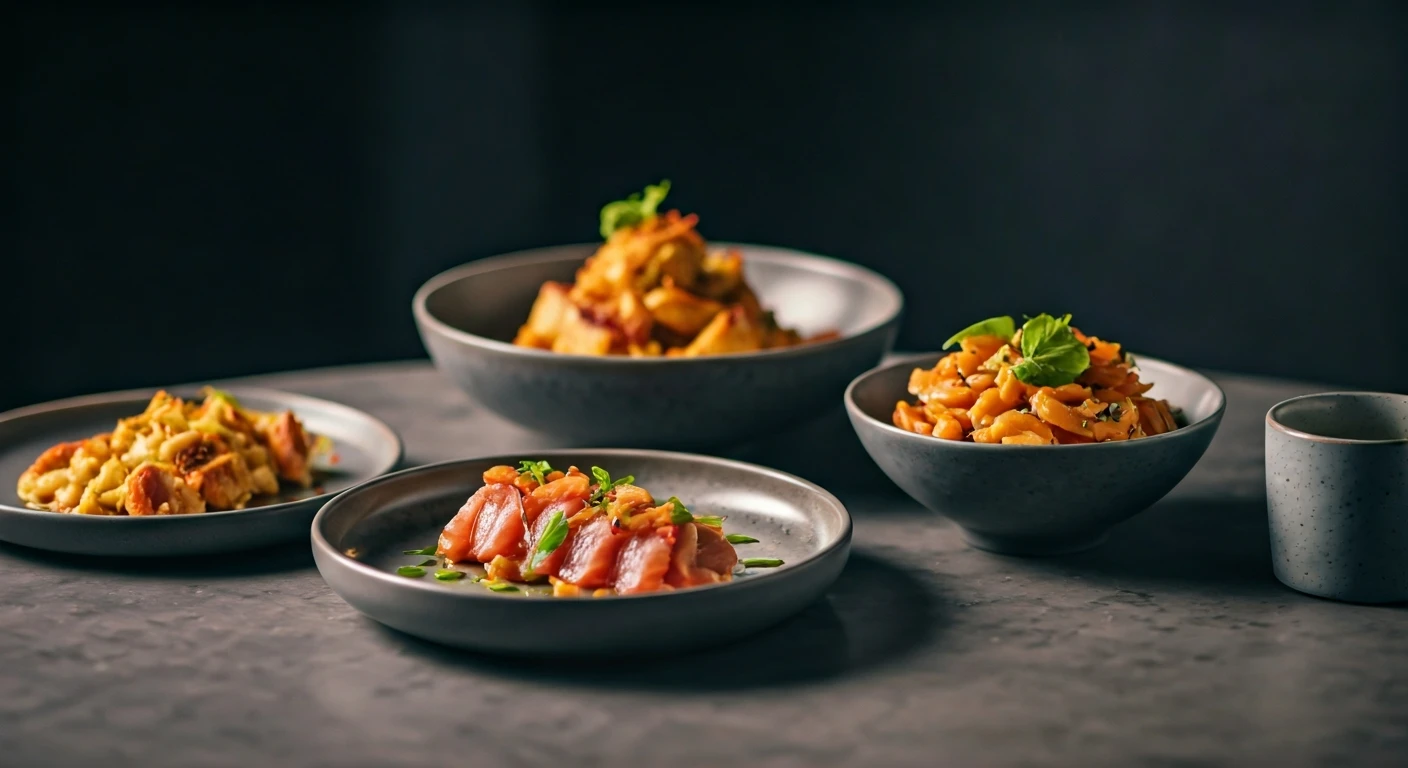
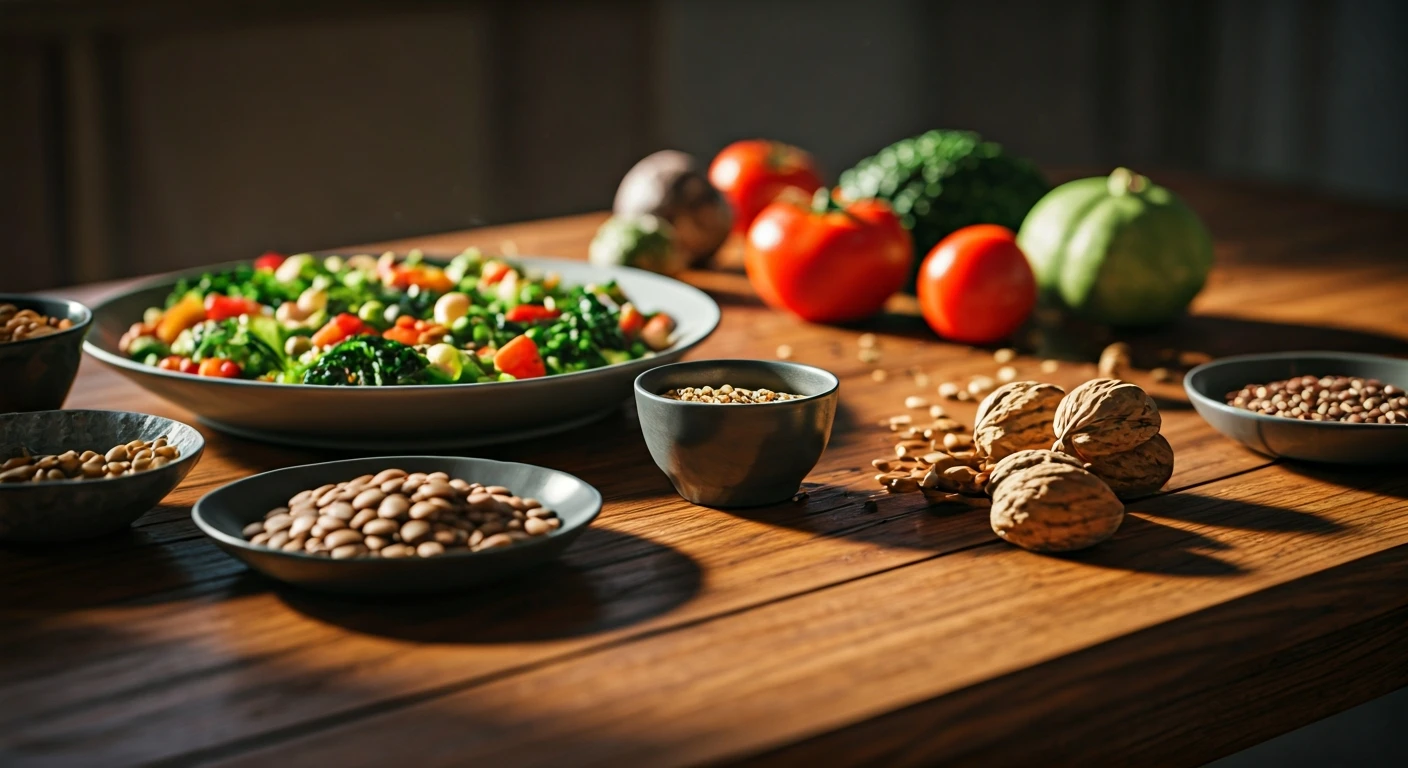
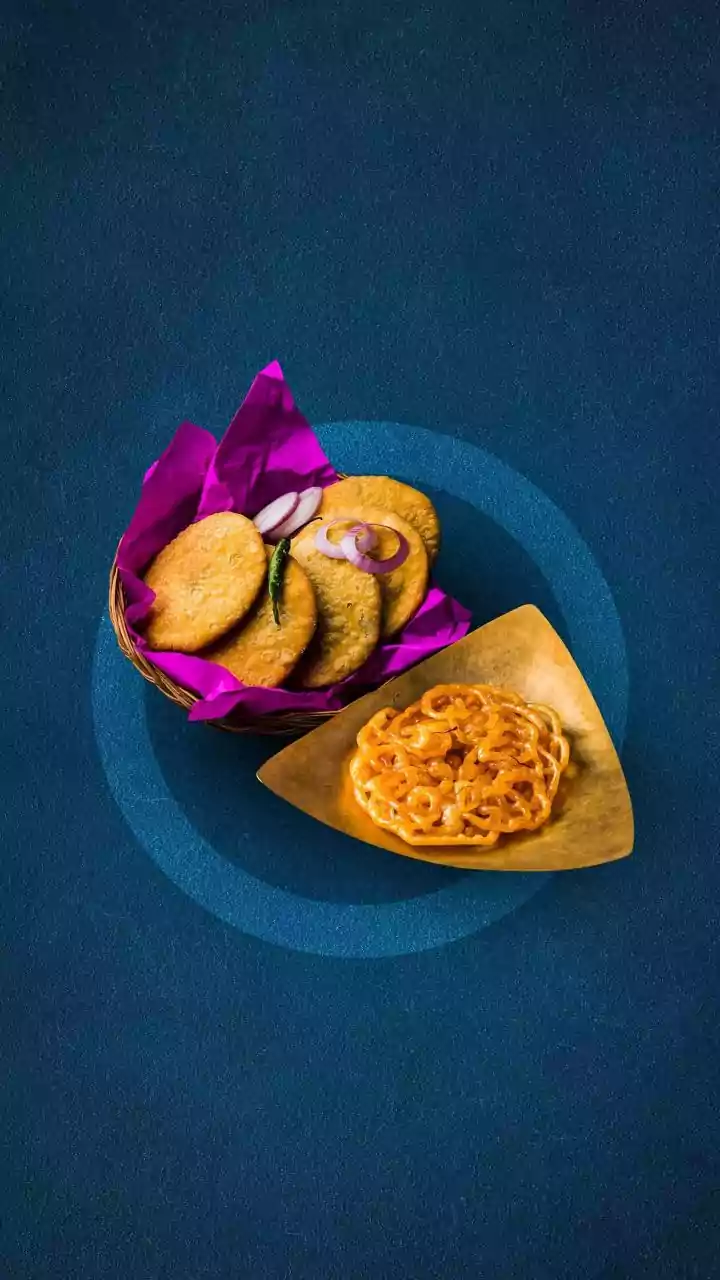
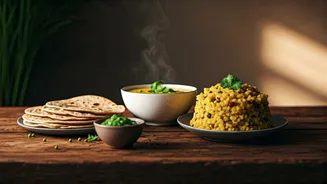
This is where it gets interesting for food lovers. A Vrat menu is defined as much by what's *not* on it as what is. Generally, common grains like wheat and rice are out, as are lentils, onions, garlic, and regular table salt. So, what’s left? A whole world of delicious alternatives. Potatoes, sweet potatoes, yogurt, and fresh fruit are staples. Instead of wheat flour, you’ll find dishes made from buckwheat flour (kuttu), water chestnut flour (singhara), or amaranth (rajgira). The salt is replaced with 'sendha namak,' or Himalayan rock salt. One of the most iconic Vrat dishes is Sabudana Khichdi, a savory and chewy pilaf made from tapioca pearls, potatoes, and peanuts. You might also see crispy Sabudana Vada (tapioca fritters) or fluffy Kuttu ki Puri (buckwheat flatbreads). The result is a cuisine that is light, flavorful, and often accidentally gluten-free.
From Family Kitchens to Restaurants
For years, Vrat cooking was primarily a home-based tradition within the Hindu diaspora. But as Indian-American communities have grown, restaurants are increasingly catering to their needs. Offering a Vrat menu during major fasting periods is a way to serve observant customers who want to dine out without breaking their fast. It’s a gesture of cultural understanding that builds loyalty. It's also smart business. These special menus create a reason for people to visit during specific times of the year and introduce a unique aspect of Indian cuisine to a wider audience. In cities with large South Asian populations like Houston, Edison, or the Bay Area, seeing a 'Navaratri Special Thali' or 'Ekadashi Menu' advertised is becoming more common, turning a personal religious observance into a communal dining experience.
A Broader Appeal Beyond Religion
Here's why Vrat menus are starting to enter the mainstream conversation: they align perfectly with modern wellness trends. At its core, Vrat food is clean, simple, and plant-forward. It’s predominantly vegetarian, often gluten-free, and avoids processed ingredients, onions, and garlic—which resonates with people following low-FODMAP or other specialized diets. In a food culture obsessed with intermittent fasting, detoxes, and mindful eating, the principles of Vrat feel surprisingly contemporary. It offers a structured way to eat lightly and intentionally without resorting to a bland juice cleanse. For the culinarily curious, it’s a chance to explore new ingredients and flavors. You don't have to be religious to appreciate the simple, earthy flavors of a potato curry seasoned with rock salt and cumin, or the delightful texture of a tapioca pearl dish. It's a culinary tradition with spiritual roots that just happens to tick a lot of modern-day boxes.