




The Search for Quieter Shores
Picture the classic American summer vacation: You’ve driven for hours, paid a premium for a rental, and now you’re circling a sun-baked parking lot for the third time. The beach, when you finally reach it, is a chaotic tapestry of competing umbrellas,
booming speakers, and impossibly sandy towels. It’s an experience built on expectation, but often delivered with a side of stress. For a growing number of travelers, this familiar script is getting old. They’re closing the book on high-stress, high-cost trips and seeking something more restorative. While the allure of the ocean will never fade entirely, a significant cultural shift is underway. People are looking for escapes that don’t require fighting a crowd. Instead of planning trips around packed boardwalks and tourist-choked towns, they’re looking to nature for a different kind of spectacle—one that’s vibrant, peaceful, and profoundly personal.
From Leaf Peeping to Petal Peeping
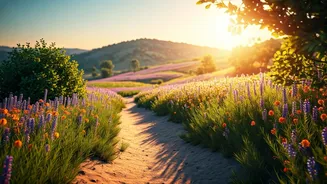
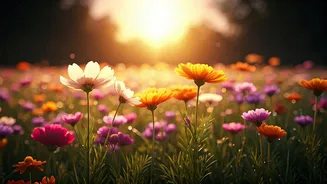
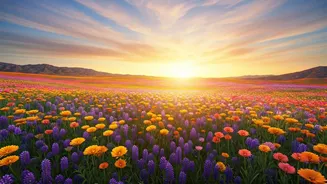
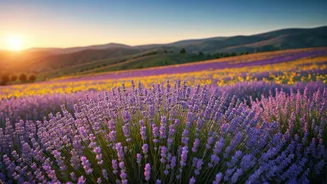
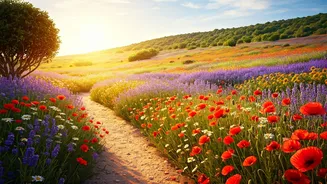
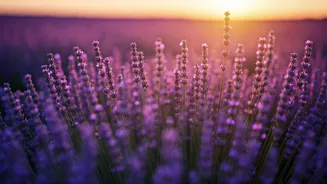
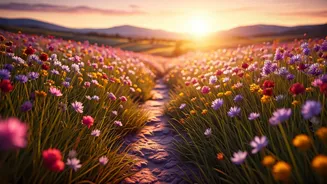
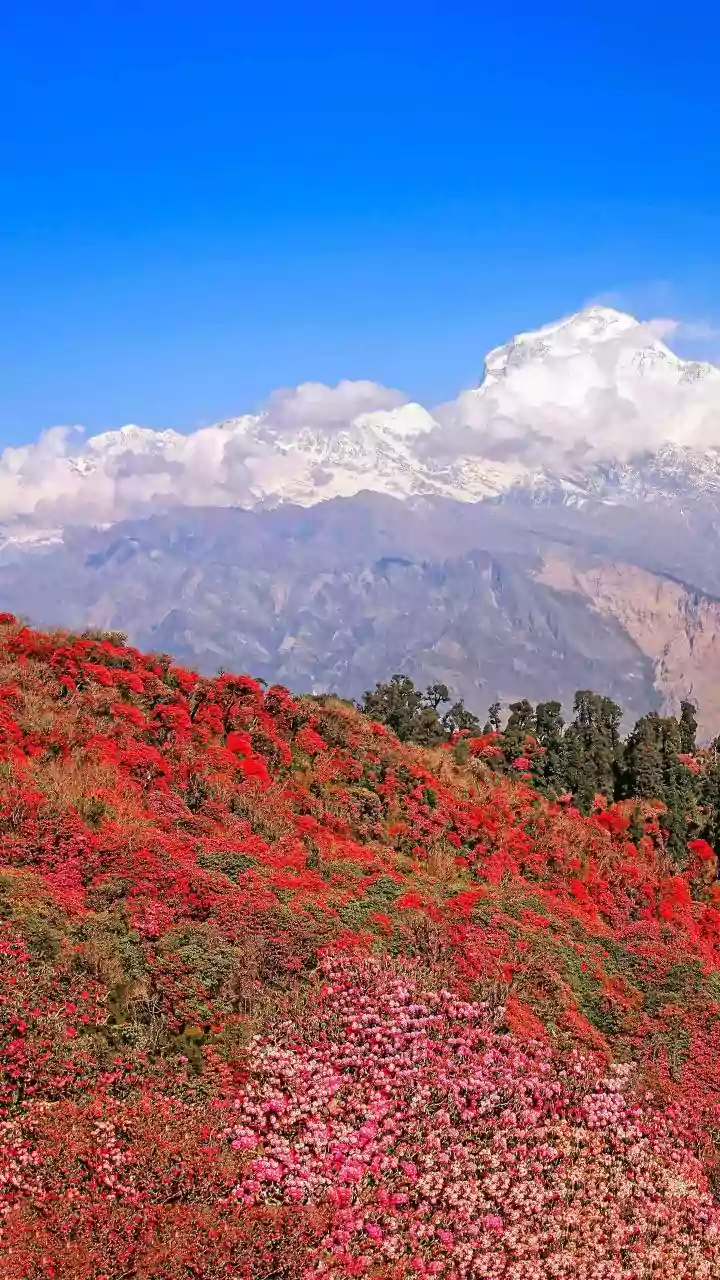
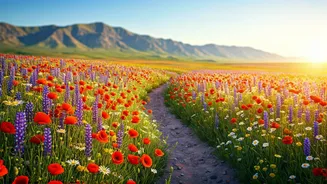
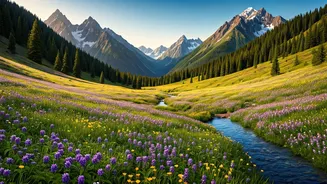
For decades, “leaf peeping” has been a celebrated autumn ritual, sending millions on pilgrimages to witness the fiery foliage of New England and the Appalachians. Now, spring and summer are getting their own version: “petal peeping.” This isn't just about stopping to smell the roses in your local park. It's about planning entire trips around floral phenomena. The explosive, well-publicized “superblooms” in places like the California deserts have become bona fide tourist attractions, drawing visitors who want to witness vast landscapes carpeted in wildflowers. But the trend goes far beyond these rare events. Travelers are increasingly seeking out botanical gardens, arboretums, and national parks specifically for their floral displays. From the cherry blossoms in Washington, D.C., to the bluebonnets in Texas and the rhododendrons in the Pacific Northwest, regional flower seasons are becoming anchors for travel plans. It’s a quieter, more diffuse form of tourism that celebrates the delicate, ephemeral beauty of the natural world.
The Need for Mindful Moments
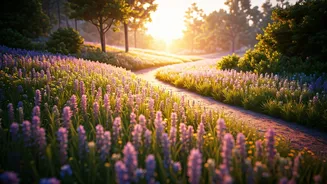
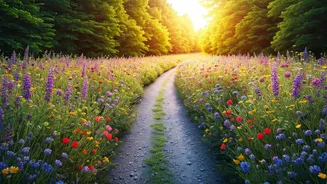
So, why now? The bloom in flower-focused travel is rooted in a deeper psychological need. In a hyper-connected, often overwhelming world, the search for genuine mindfulness is paramount. A flower walk offers a perfect antidote to digital burnout. It’s an activity that encourages you to be present, to notice small details—the texture of a petal, the hum of a bee, the subtle shift in fragrance on the breeze. Unlike a hectic beach day, which can feel performative and demanding, a walk among flowers is inherently meditative. There’s also a rejection of the “seen-it-all” vacation mentality. After years of chasing a finite list of bucket-list destinations, many are discovering the joy of simpler, more accessible pleasures. A flower walk doesn't require a passport or a massive budget. It can be a grand trip to a national park or an afternoon spent exploring a local botanical garden you’ve driven past a hundred times. It’s a return to slow travel, where the journey and the experience—not just the destination photo—are the reward.
An Accessible Antidote to Burnout
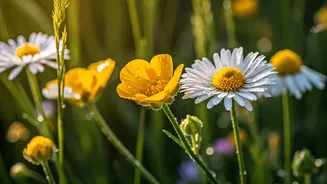
The benefits extend beyond mere aesthetics. Engaging with nature has been consistently linked to reduced stress, lower blood pressure, and improved mood. A gentle walk is low-impact physical activity accessible to almost everyone, regardless of fitness level. It’s a multi-sensory experience that grounds you in the physical world, offering a welcome break from screens and deadlines. Moreover, it’s an activity that scales. You can enjoy it alone for quiet reflection, with a partner for a romantic stroll, or with children as a gentle introduction to the wonders of botany. It fosters curiosity and a connection to the environment. Learning to identify a few local species—a wild columbine here, a patch of Indian paintbrush there—can transform a simple walk into a treasure hunt, deepening your appreciation for the ecosystem right outside your door.