


The Arrival of the Mist
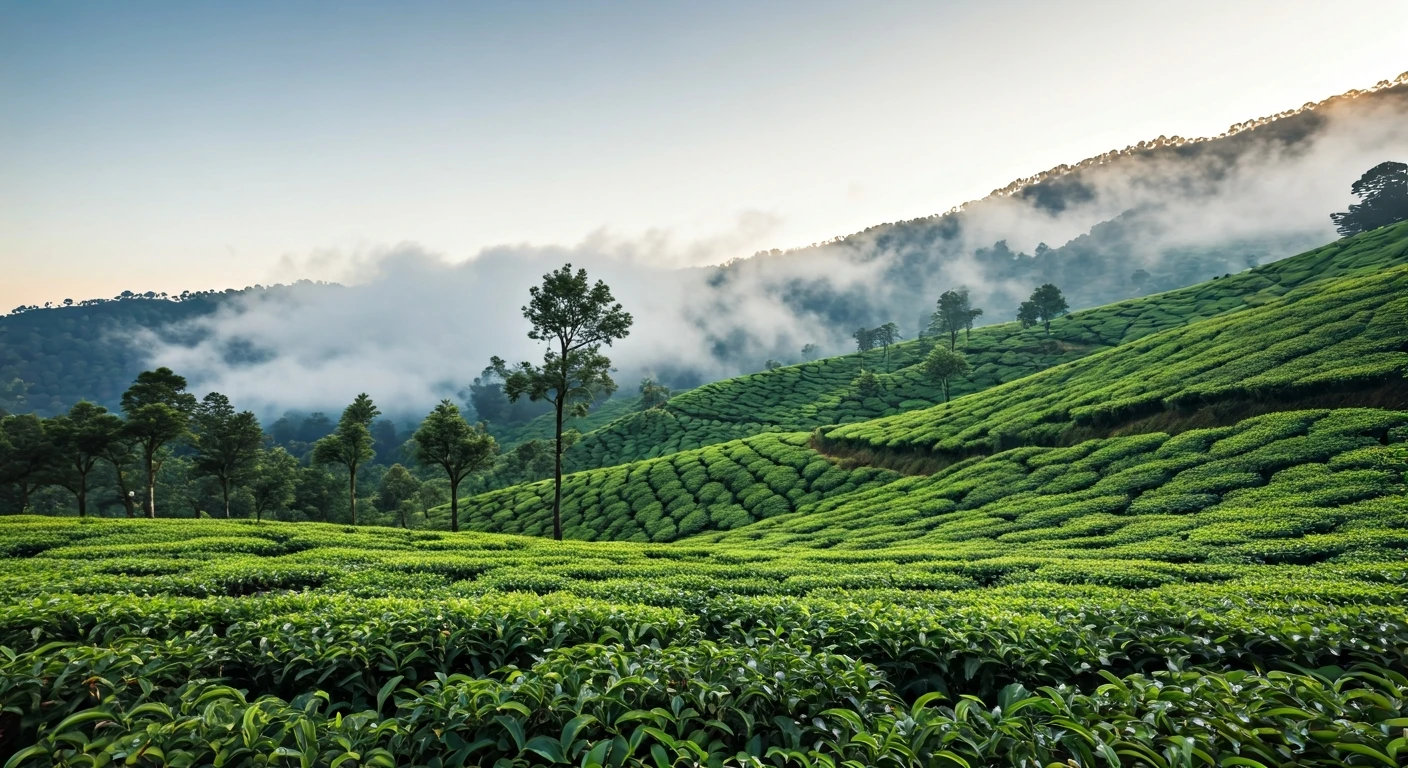
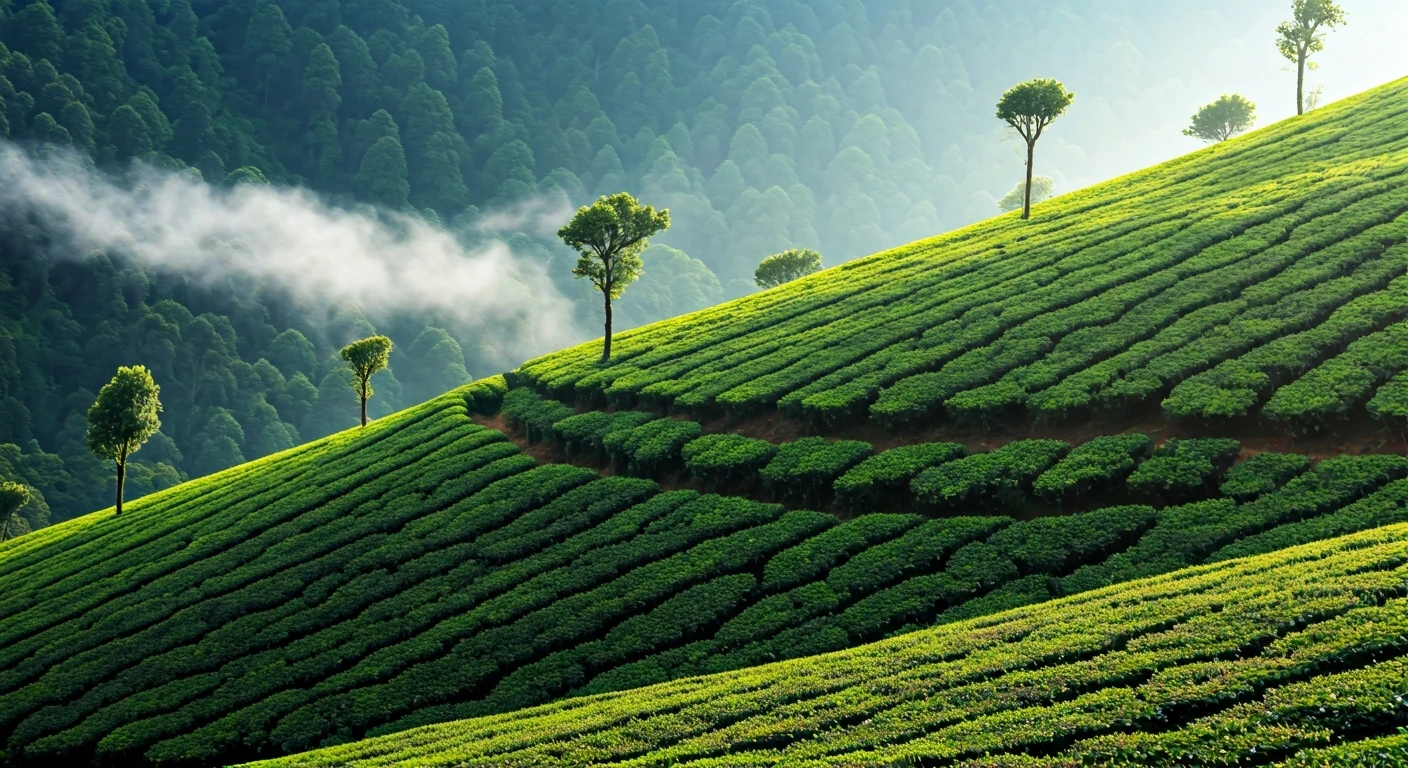
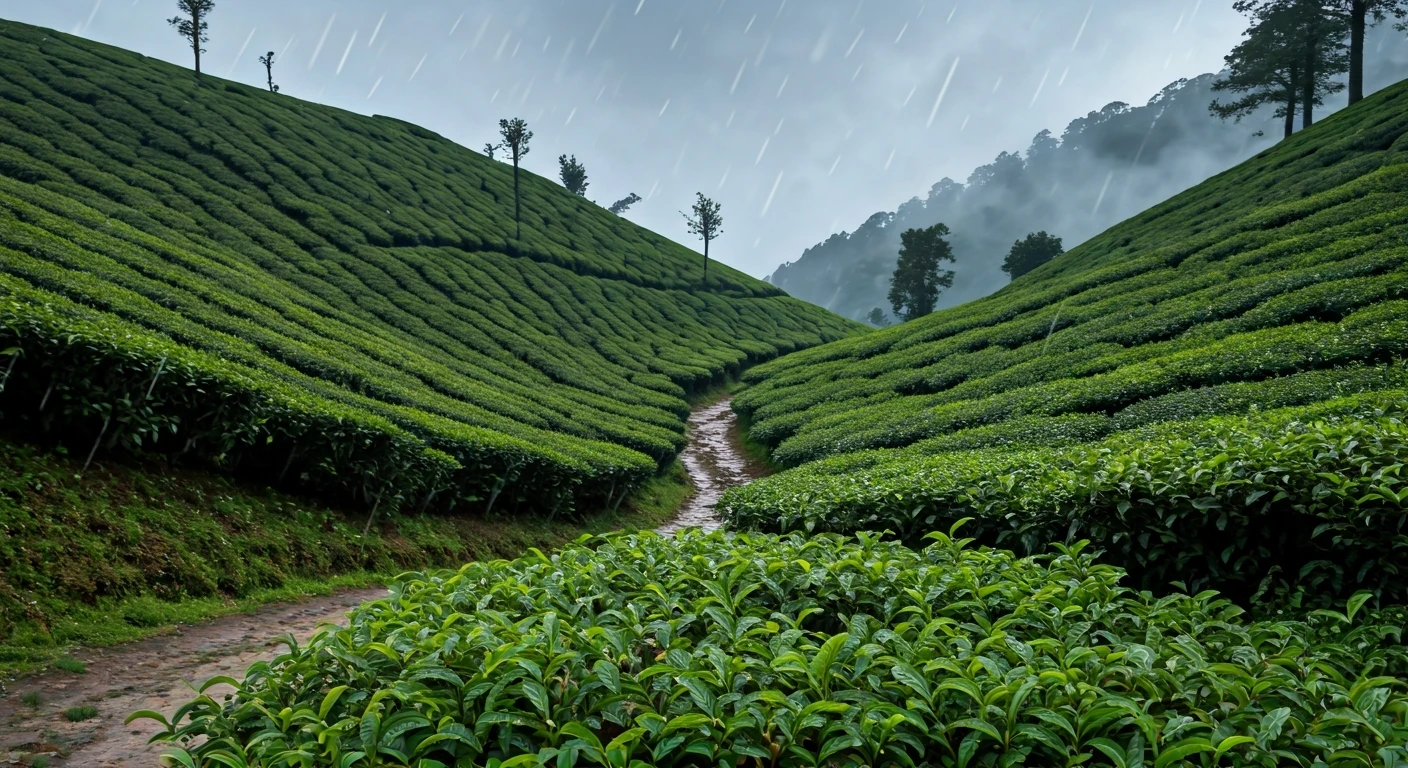
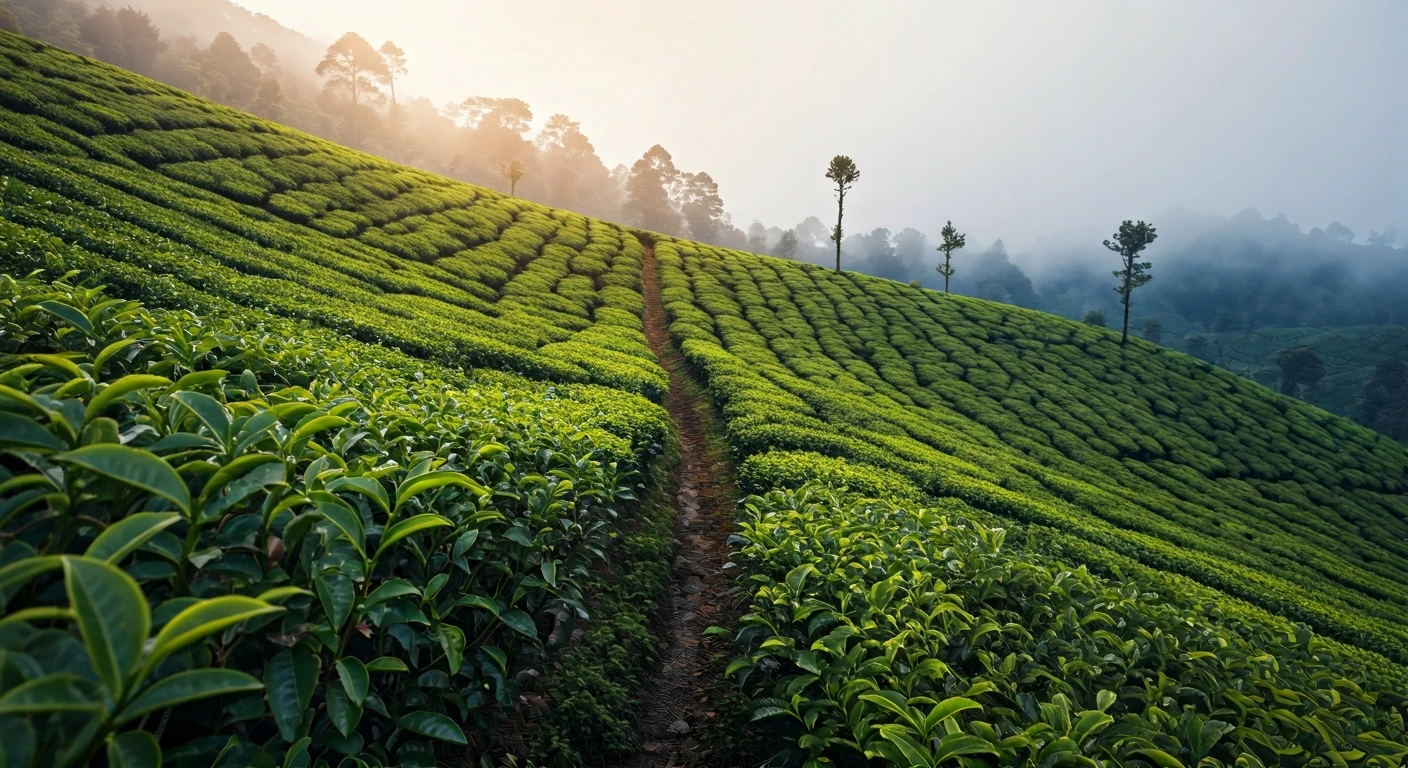
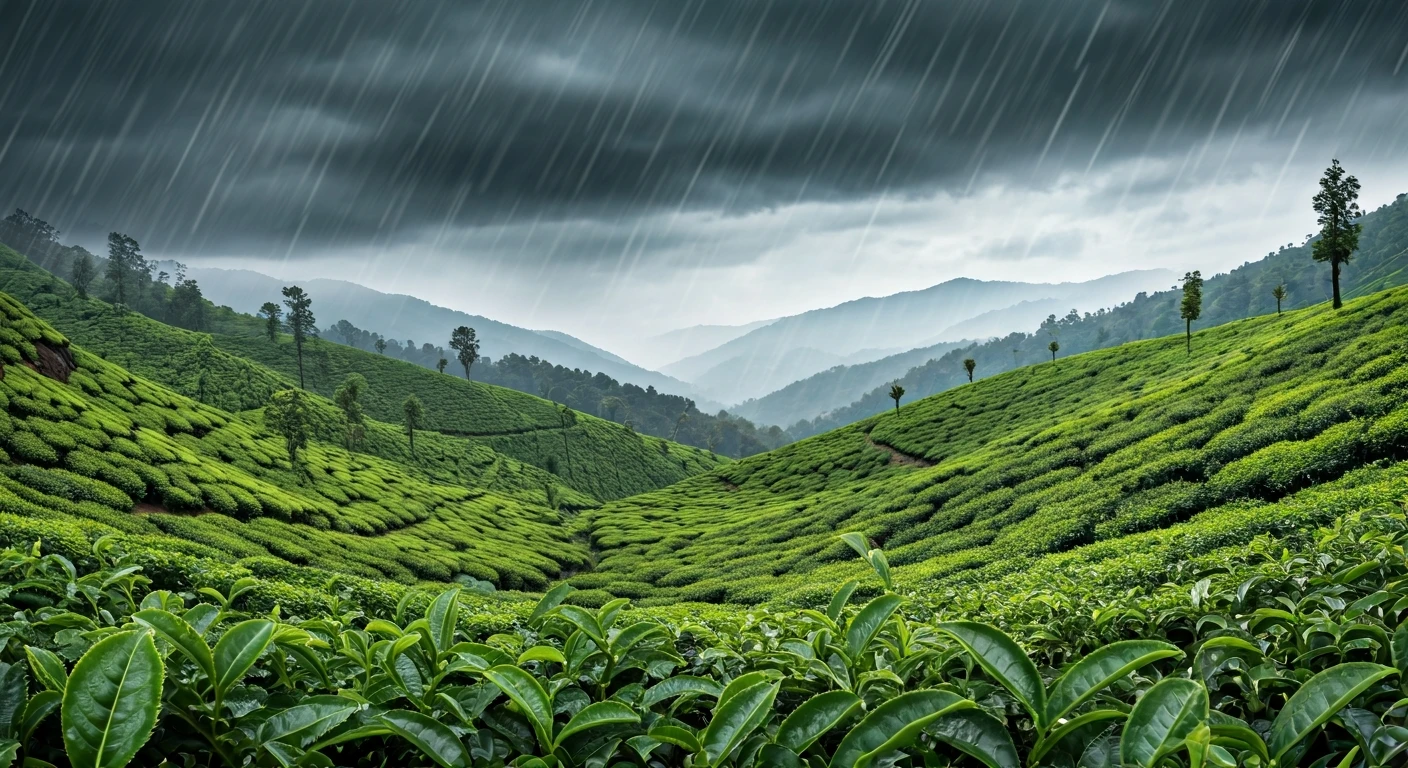
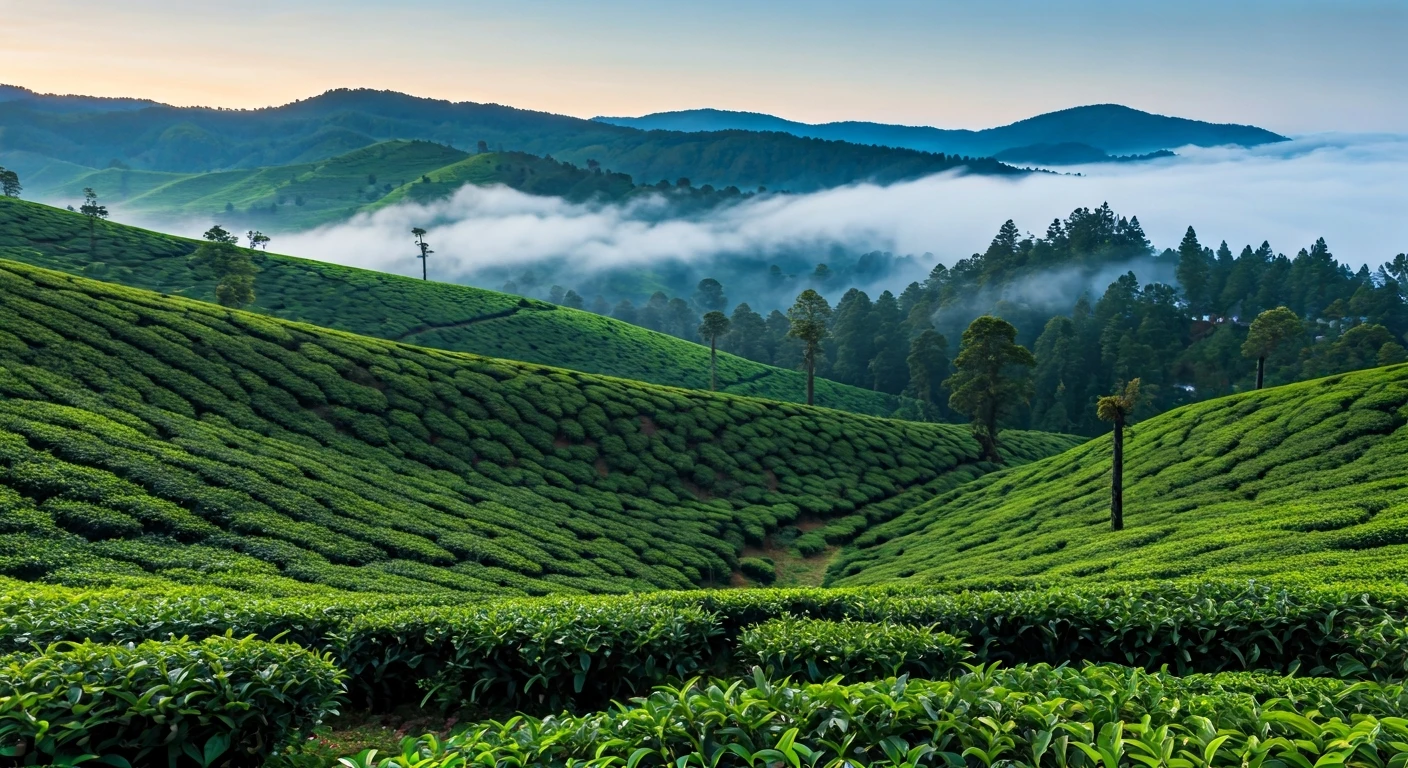
Most destinations audition for your vacation time with promises of clear skies and panoramic views. Darjeeling in June does the opposite. It pulls a thick, woolen blanket of mist over its famous vistas of the Kanchenjunga range and doesn’t apologize for it.
This isn't just weather; it's a personality. The mist arrives not as an inconvenience but as the protagonist, a quiet force that transforms the bustling hill station into a series of intimate, cinematic vignettes. Streets you walked in May are now mysterious paths into the unknown. A colorful building across the way becomes a soft watercolor smudge. The world shrinks to a radius of a few dozen feet, forcing your attention away from the grand and onto the immediate: the glistening cobblestones, the drooping ferns on a stone wall, the sudden, hushed quiet.
A Soundtrack of Steam and Rain
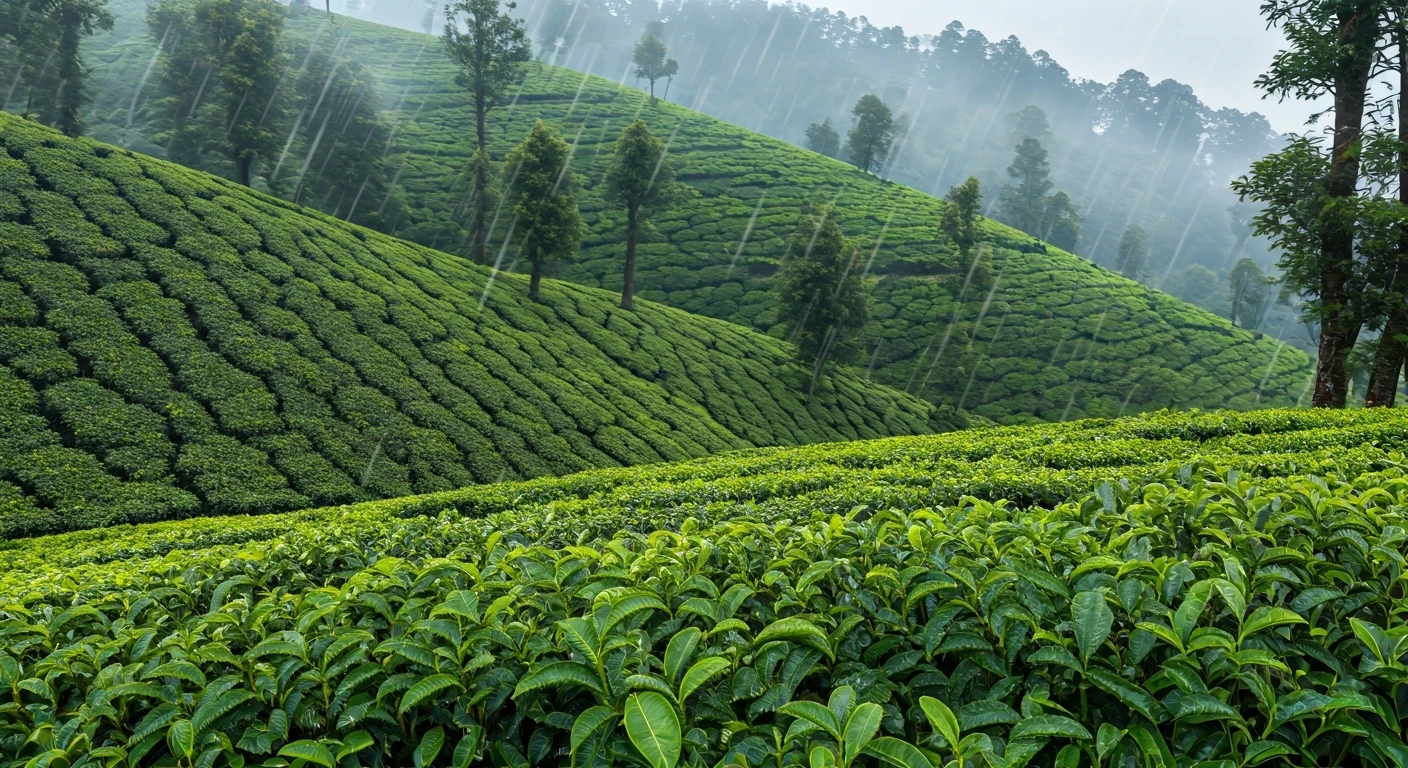
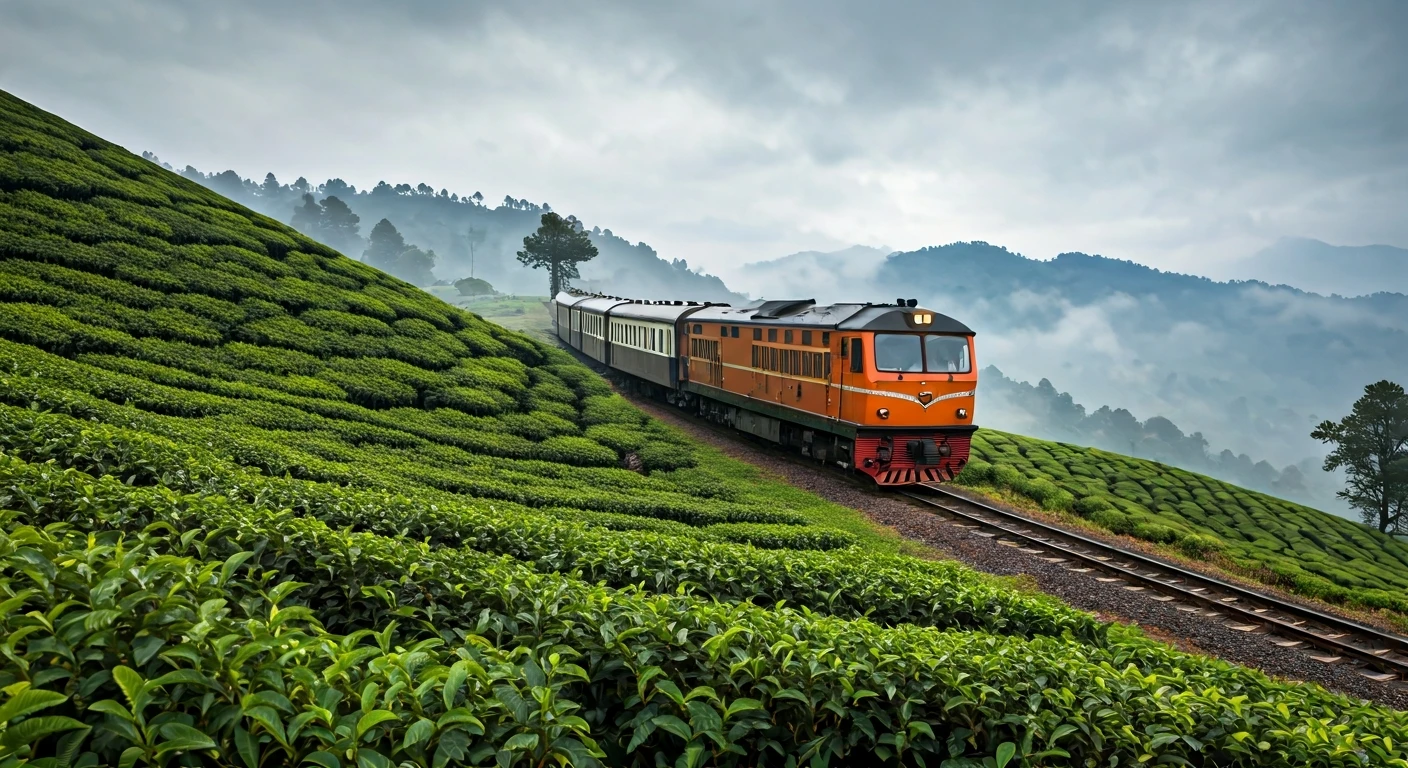
Every compelling character needs a signature soundtrack, and misty Darjeeling’s is a masterpiece of atmospheric audio. The lead instrument is the gentle, persistent drizzle on corrugated tin roofs, a sound that has lulled generations to sleep. It’s accompanied by the low hum of conversations in cozy cafes, where the clink of teaspoons against ceramic is a constant rhythm. The star of this symphony, however, is the sharp, triumphant whistle of the Darjeeling Himalayan Railway. When the 'Toy Train' chugs through the fog, its steam mingling with the clouds, it’s a moment of pure, nostalgic drama. It feels less like public transport and more like a narrative device, a thread connecting the town’s colonial past to its present-day charm. This soundscape isn't background noise; it's the score that tells you you’re somewhere important.
A Plot of Solitude and Tea
Main Character Energy often involves a story arc of introspection, and Darjeeling’s monsoon is the perfect setting for it. June is the off-season. The tourist crowds that throng the Mall Road in spring have thinned, leaving behind a quieter, more contemplative town. This isn't a plot driven by a packed itinerary of sightseeing. It's a story of finding a window seat at Glenary's or Nathmull's, ordering a pot of exquisite 'second flush' Darjeeling tea, and watching the world outside dissolve into gray. The experience is deeply personal. The chill in the air makes the warmth of the cup in your hands more profound. The lack of a clear view forces you to look inward. It’s a travel experience for those who prefer the company of a good book and their own thoughts over a crowded tour bus.
Colonial Ghosts as Supporting Cast
A strong main character needs a rich backstory, and Darjeeling's is ever-present. The mist acts like a theatrical curtain, revealing and concealing the town’s history. A sudden break in the fog might expose the gothic spire of St. Andrew's Church or the grand facade of the Windamere Hotel, structures that feel like ghosts of the British Raj. These colonial-era buildings, with their stone walls and gabled roofs, look even more dramatic when wreathed in vapor. They aren't just architecture; they're the supporting cast. They whisper of a time when this was the summer capital for British officials escaping the heat of the plains. Walking past them in the rain, you feel less like a tourist and more like a character who has stumbled into a historical novel, one where the past is not just a memory but a living, breathing presence.