






Rethink Your Outerwear
A cheap plastic poncho or a fashion-first trench coat won’t cut it in a real downpour. The key is a truly waterproof, breathable shell jacket. Look for technical fabrics like Gore-Tex or similar proprietary membranes that block water from getting in but
allow sweat vapor to escape. Without breathability, you’ll end up just as damp from your own perspiration. Also, consider the details: sealed seams, a sturdy hood with a brim to keep rain off your face, and adjustable cuffs are non-negotiable features for staying comfortable. A packable version that stuffs into its own pocket is a traveler’s best friend, ready to be deployed the moment the sky turns gray.
Win the War on Wet Feet
There is nothing more miserable than squelching around in wet socks and shoes all day. It’s a guaranteed mood-killer and a recipe for blisters. Waterproof footwear is your first line of defense. Depending on your destination, this could mean anything from stylish waterproof leather boots for a city trip to proper hiking boots for the trail. Whatever you choose, make sure they’re well-tested and broken in before you leave. Just as important are your socks. Ditch cotton, which holds moisture against your skin and takes forever to dry. Instead, pack merino wool or synthetic socks. They wick moisture away, insulate even when damp, and dry much faster overnight in a hotel room.
Waterproof Your Valuables
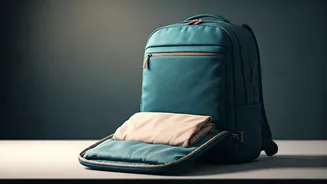
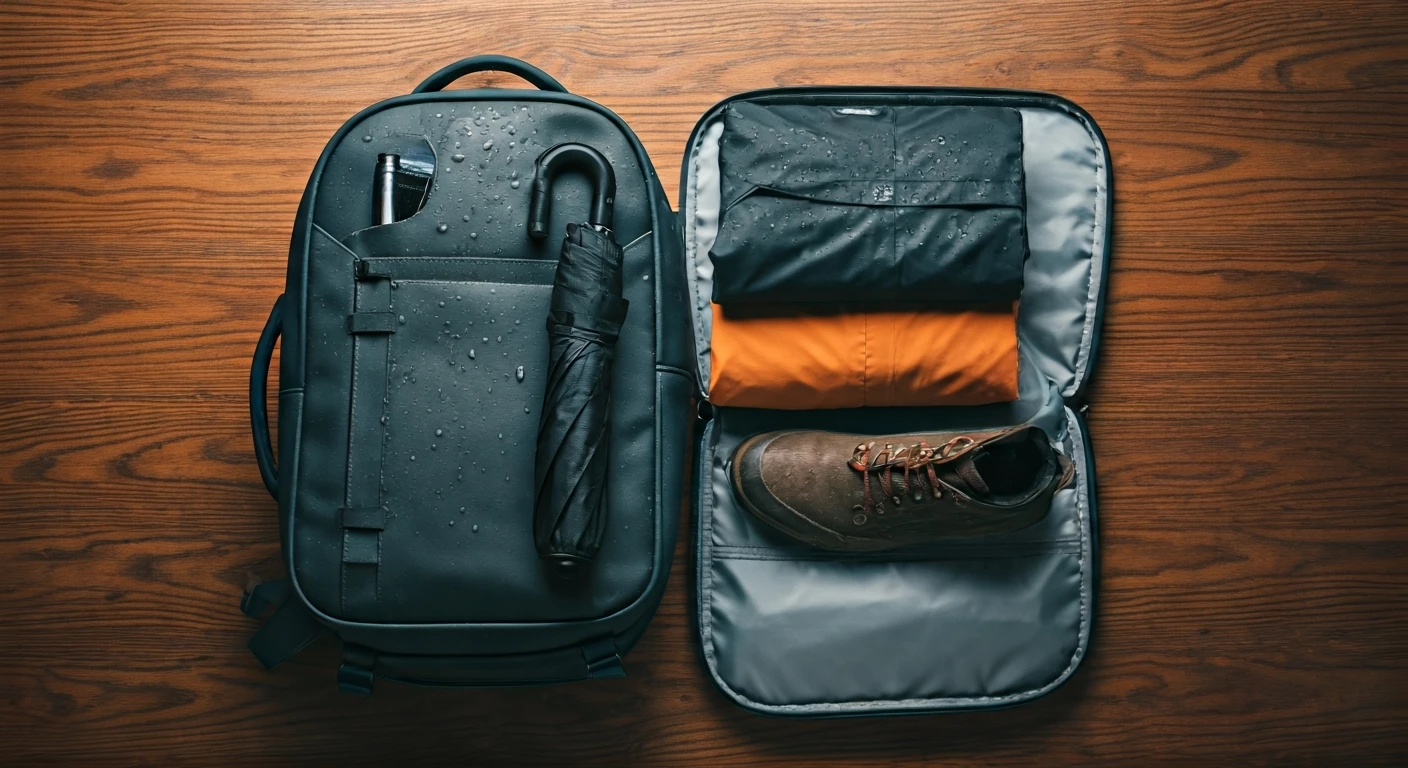
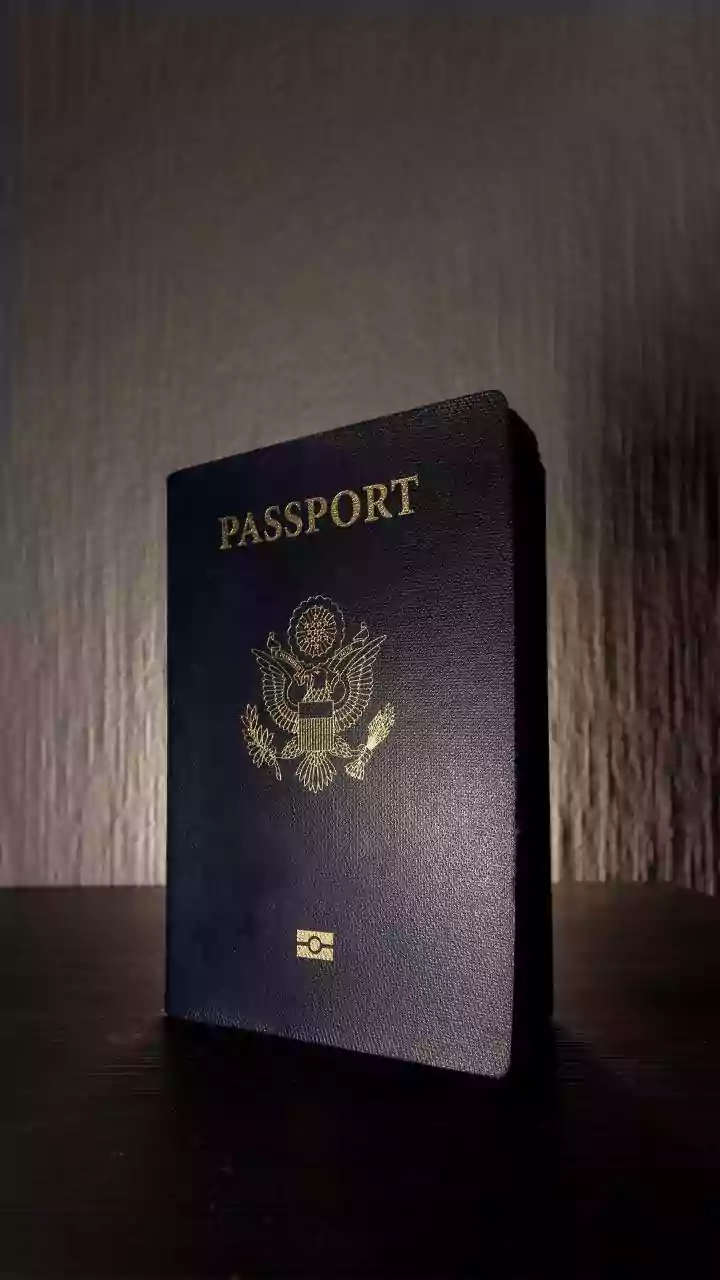
Your comfort is one thing; your passport and electronics are another. A water-resistant backpack offers some protection, but for true peace of mind, you need internal defenses. Simple, low-cost Ziploc bags are perfect for protecting your phone, passport, and wallet. For more expensive gear like a camera or laptop, invest in a dedicated dry bag. These roll-top bags are completely submersible and provide foolproof protection. Even if your main luggage gets soaked on an airport tarmac or during a ferry crossing, your most important items will remain perfectly safe and dry inside their own waterproof cocoon. It’s a small investment that prevents a major travel catastrophe.
Pack a “Plan B” Kit
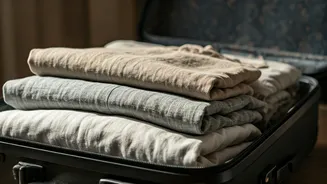
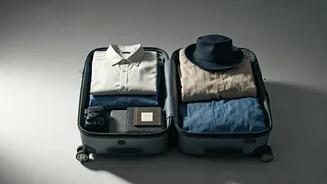
Sometimes, getting soaked is unavoidable. Your preparation shouldn't stop at prevention; it should include a recovery plan. Designate a small packing cube as your “rainy day recovery kit.” Inside, keep a spare pair of wool socks, a fast-drying travel towel, and maybe a comfortable pair of pants or leggings. After getting caught in a storm, you can retreat to a cafe or your hotel, quickly change into your dry kit, and feel human again. This small stash of dry clothes keeps a brief soaking from ending your entire day of exploration, allowing you to reset and head back out once the weather improves or your attitude recovers.
Adjust Your Itinerary, Not Just Your Attitude
A positive attitude is great, but a practical backup plan is better. Before you even leave, research some indoor activities for your destination. This isn't admitting defeat; it’s smart strategy. What are the best museums, art galleries, or historical indoor markets? Is there a cozy, famous bookstore or a unique local cinema? Having a pre-vetted list of three or four appealing indoor options means a rainy day doesn’t trigger a frantic, disappointing Google search for “things to do near me.” Instead, you can pivot smoothly. You’re not “stuck inside”; you’re simply shifting to the part of your itinerary you cleverly saved for a rainy day. This transforms a day of compromise into a day of opportunity.
Master the Rainy Road Trip
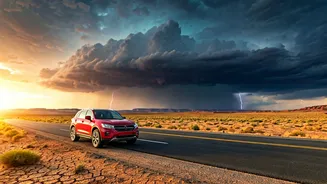
Driving in heavy rain requires more than just good windshield wipers. First, check your tires before you leave—good tread is essential for preventing hydroplaning. When on the road, slow down significantly and increase your following distance to at least five or six seconds behind the car in front of you. Avoid using cruise control, as it can reduce your ability to respond if you start to hydroplane. If you do feel the car lose traction on the water, take your foot off the accelerator and steer straight until you feel the tires grip the road again. Don't slam on the brakes. A little bit of driver prep makes a rainy journey far less stressful.