


The New Customer in a Hurry
The ready-to-eat (RTE) meal isn't a new concept in India, but its target audience is. For decades, these products were niche items for Indians traveling abroad, craving a taste of home. Today, the market is exploding domestically, aimed squarely at a new demographic:
the young, urban Indian. Think of millennials and Gen Z living in bustling cities like Mumbai, Bangalore, and Delhi. They are often students living away from home for the first time or young professionals in dual-income households. Their schedules are packed, their commutes are long, and their parents—who would traditionally supply home-cooked meals—are often in another city. This social shift is the fuel for the RTE boom. With more women entering and staying in the workforce, the traditional family structure that guaranteed a hot, home-cooked meal is evolving. For this generation, convenience isn't a luxury; it's a survival tool. They grew up with smartphones and on-demand services, and they expect the same efficiency in their kitchens. They are willing to pay a premium for a meal that saves them an hour of chopping, grinding, and cooking.
Overcoming the 'Packaged Food' Stigma
The biggest hurdle for brands isn't logistics; it's culture. In India, there's a deep-seated belief that fresh food ('ghar ka khana,' or 'home food') is nutritionally and emotionally superior. Packaged food has long been viewed with suspicion—seen as unhealthy, loaded with preservatives, and a poor substitute for the real thing. To win over young consumers, companies have launched a massive rebranding campaign for the entire category. Marketers are working to replace the image of a sad, lonely dinner with one of a smart, modern choice. The messaging is key: these aren't just lazy meals; they are 'hygienic,' 'authentic,' and made with 'no added preservatives.' Brands like MTR Foods, Gits, and Haldiram's emphasize their use of high-tech sterilization and packaging that preserves flavor without chemicals. New-age startups go even further, offering organic ingredients, millet-based options, and high-protein meals that align with global wellness trends. They're not just selling convenience; they're selling a guilt-free, modern lifestyle.
The Battle for the Dinner Plate
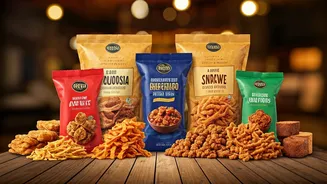
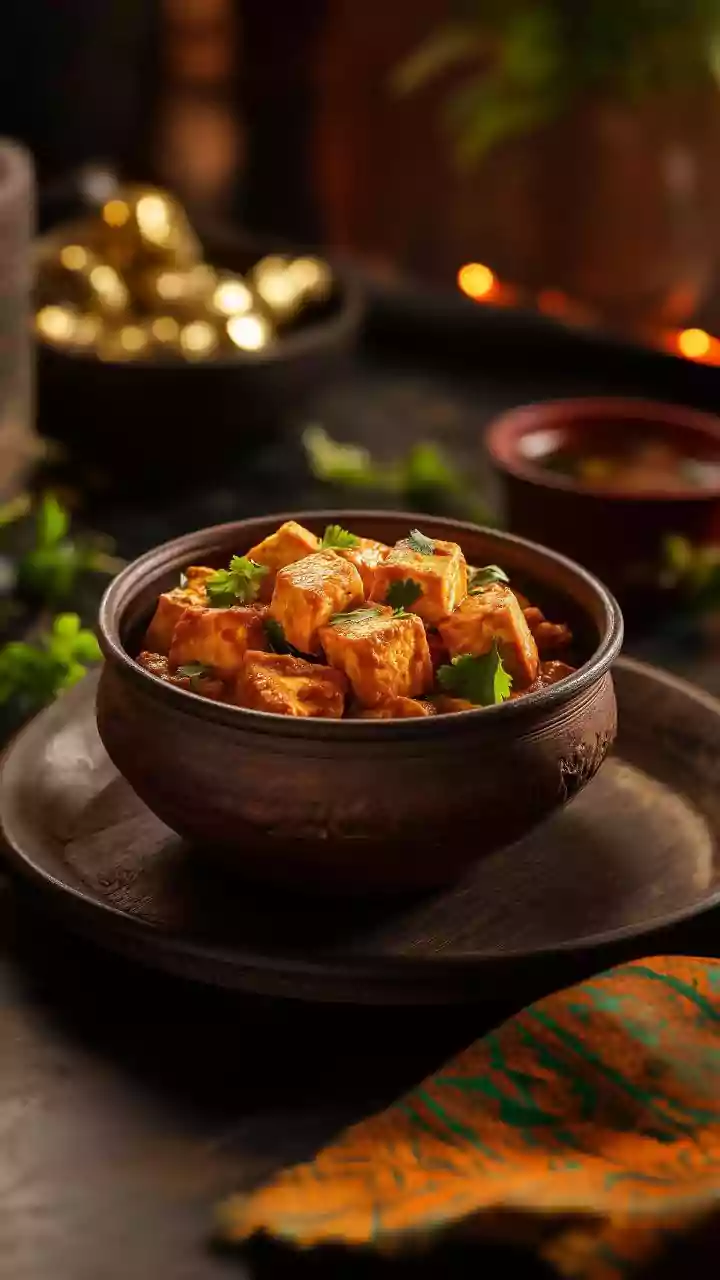
The competition is fierce. On one side are the legacy giants. MTR Foods, a Bangalore-based company over 90 years old, is a master of the supply chain, with its familiar silver and green pouches of dal makhani and paneer butter masala available in hundreds of thousands of stores. They represent reliability and familiarity. On the other side is a wave of nimble, direct-to-consumer (D2C) startups. These companies use slick Instagram marketing and subscription models to reach young consumers directly. They offer more adventurous, gourmet, or health-focused options—from quinoa-based Indian bowls to ready-to-cook pasta kits. Because they control their own distribution, they can innovate faster and cater to niche tastes, building a loyal community around their brand. This digital-first approach resonates strongly with a generation that discovers and buys products on their phones, creating a classic legacy vs. startup showdown for India's future eating habits.
More Than Just Curry in a Pouch
This isn't just about reheating the same three curries. The product innovation reflects a deep understanding of the young Indian palate. Companies are offering a huge variety of regional delicacies that many young people may not even know how to cook themselves. Think ready-to-eat poha and upma for breakfast (popular Western Indian dishes), Gujarati thepla (a spiced flatbread), or complex South Indian sambar. This allows a student from Chennai living in Delhi to have a taste of home without a three-hour cooking project. Furthermore, brands are localizing international trends. They offer 'schezwan' fried rice that caters to the popular Indo-Chinese flavor profile or pasta sauces with a distinctly Indian spice blend. The goal is to provide a portfolio of options that covers every meal of the day and satisfies cravings for both comfort food and something new, making the RTE aisle a one-stop solution for the modern Indian diet.