







A Valley Hidden in Plain Sight
For American travelers dreaming of the Himalayas, names like Everest or Annapurna conjure images of epic, high-altitude treks. But tucked away in India's Himachal Pradesh state, the Tirthan Valley offers a different kind of mountain magic. Serving as the gateway
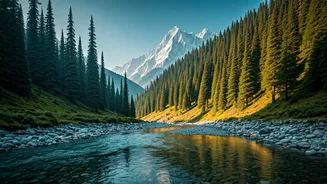
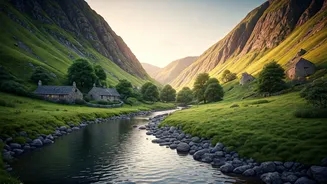
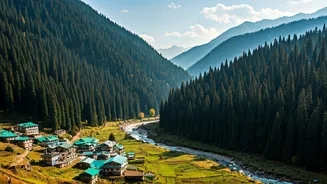
to the Great Himalayan National Park, a UNESCO World Heritage Site, this valley has deliberately sidestepped the mass tourism that has overrun other mountain towns. There are no sprawling resorts or loud tourist hubs here. Instead, the landscape is dotted with small, terraced farms, dense deodar cedar forests, and charming wooden villages that seem to tumble down the hillsides toward the valley's main artery: the Tirthan River.
The Rhythm of the River
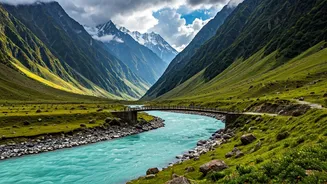
The soul of the valley flows with the Tirthan River, a pristine waterway shimmering with a turquoise hue. It’s here that the concept of “soft adventure” truly takes root. The British introduced brown and rainbow trout to these waters over a century ago, and angling has since become the valley’s signature pastime. But this isn’t the competitive, high-stakes sport fishing seen elsewhere. Angling in Tirthan is a meditative act. It requires patience, a quiet presence, and an appreciation for the surrounding environment. Standing knee-deep in the cool, rushing water, with a line cast in hopes of luring a famously wily Himalayan trout, is to be fully immersed in the valley's tranquil pace. The focus is less on the catch and more on the act of being there, surrounded by the sounds of the river and the whispering pines.
Defining Soft Adventure
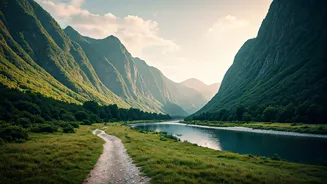
While trout fishing sets the mood, it’s just one piece of Tirthan’s soft adventure puzzle. The valley is crisscrossed with trails that are more about mindful walking than grueling ascents. You can spend a day hiking to a hidden waterfall, crossing a rickety wooden bridge, or simply following a path that leads to a neighboring village for a cup of chai. Bird watching is another major draw, with the National Park hosting a spectacular array of Himalayan avian life, from the flashy monal pheasant to the crested kingfisher. This is adventure that doesn't demand peak physical fitness but rather a sense of curiosity. It’s about packing a light lunch and seeing where the day takes you, knowing that a cozy homestay and a warm meal await your return.
The Homestay Heartbeat
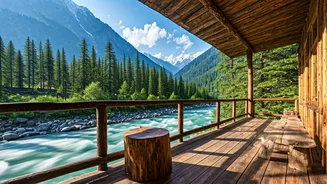
The experience of Tirthan is inseparable from its culture of hospitality. The valley’s tourism is built around a network of family-run homestays, where visitors are treated more like personal guests than anonymous tourists. These accommodations, often built in the traditional Kath Kuni style with interlocking wood and stone, offer a direct connection to the local way of life. Staying in a homestay means waking up to the sights and smells of a mountain home, eating meals made from locally grown produce, and sharing stories with your hosts. This model of eco-tourism not only preserves the valley’s pristine environment but also its cultural integrity, ensuring that the quiet, gentle spirit that makes Tirthan so special remains its most valuable asset.