

The Soul of an Object
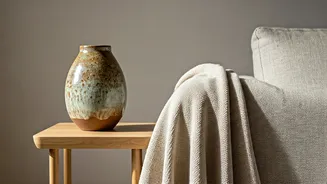
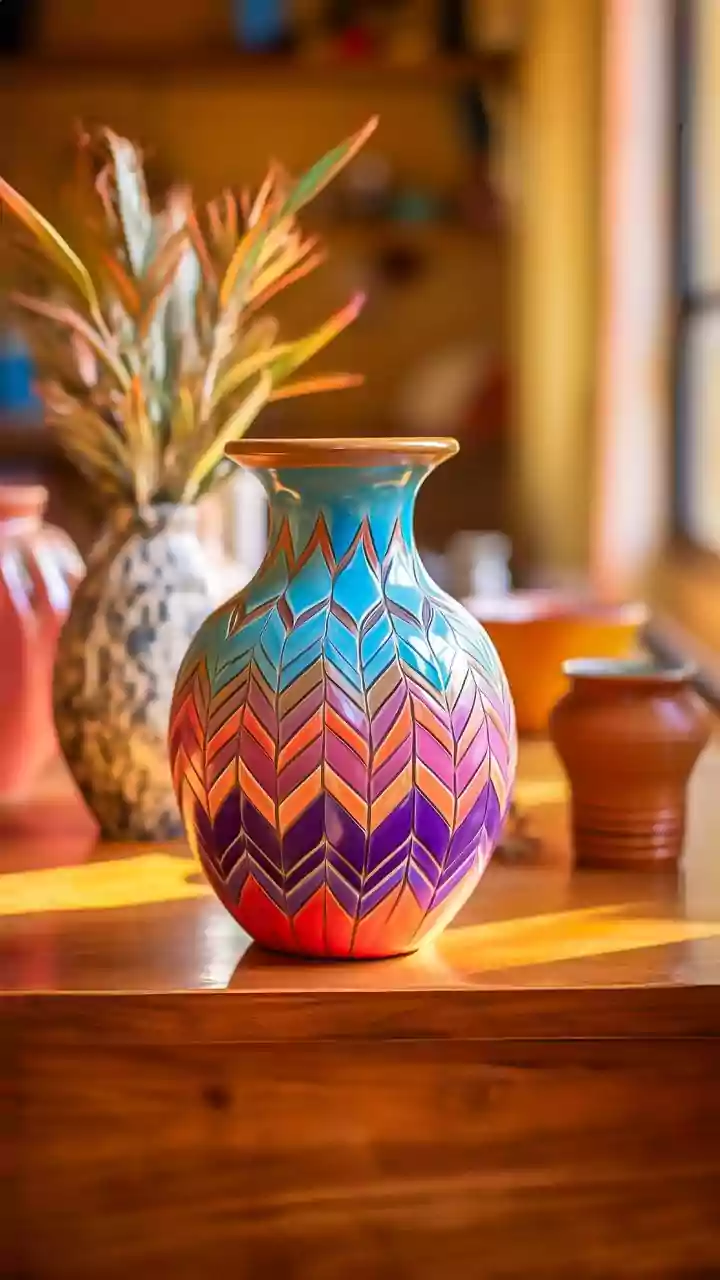
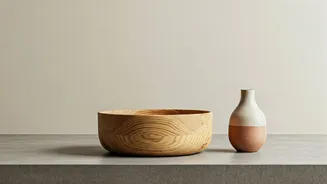
There’s a fundamental difference between a ceramic bowl stamped out by the thousands in a factory and one thrown on a wheel by an artisan. The factory bowl is perfect, uniform, and anonymous. The handmade bowl bears the subtle mark of its creator: the faint
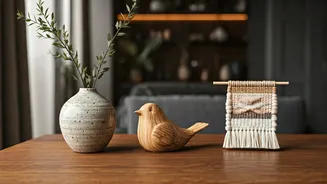
impression of a fingerprint, a slight variation in the glaze, a form that is unique in the universe. This isn't a defect; it's a feature. It’s the evidence of human touch and intention. When we bring these items into our homes, we’re doing more than just filling a space. We’re inviting in a story—the story of the maker, their craft, their community. That woven wall hanging wasn’t just pulled from a shipping container; it represents hours of work, a tradition passed down through generations, and a specific artist’s creative vision. It has a history before it even enters your home, giving it an inherent depth and character that mass-produced items simply cannot replicate.
Curating Your Personal Narrative
More importantly, handmade decor becomes a vessel for your own story. The lopsided clay pot you bought on a vacation isn’t just a pot; it’s a tangible reminder of that sun-drenched afternoon exploring a new city. The quilt made by your grandmother isn’t just a blanket; it’s a tapestry of love, family history, and warmth. Even an item you purchase from an online maker becomes part of your narrative—it reflects your taste, your values, and the moment in your life when you chose it. Your home stops being a showroom for the latest trends and starts becoming a living museum of your experiences, relationships, and passions. Each object serves as a chapter. That slightly faded art print from a local fair? That's the chapter about supporting your community. The hand-carved wooden spoon from a farmers market? That’s the story of your love for cooking. As you collect these pieces, you’re not just decorating; you are authoring the biography of your space, one object at a time.
Embracing Beautiful Imperfection
Our culture often chases a flawless, filtered version of reality, and our homes can fall into the same trap. We see pristine, impossibly tidy rooms in magazines and on social media and feel pressure to emulate them. Handmade decor offers a powerful antidote to this pursuit of perfection. It celebrates the Japanese concept of wabi-sabi: finding beauty in imperfection and transience. A hand-stitched pillow might have a slightly uneven seam. A block-printed tea towel may have a charmingly misaligned pattern. These are not flaws to be hidden but characteristics to be celebrated. They are reminders that life is not perfect, and that there is profound beauty in authenticity. By welcoming these imperfectly perfect objects into our homes, we give ourselves permission to be more authentic, too. We create spaces that are forgiving, comfortable, and genuinely lived-in, rather than staged for an imaginary audience.
How to Start Your Collection
The idea of curating a personal collection can feel daunting, but it doesn’t have to be. You don't need to replace everything at once. Start small. Instead of buying another generic mug from a big-box store, seek one out from a local potter. Visit a weekend craft fair or a farmers market and just see what catches your eye. Browse online marketplaces like Etsy, where you can connect directly with thousands of independent makers from around the world. Think about what tells your story. Do you love to travel? Look for textiles or small carvings on your next trip. Are you a passionate home cook? Invest in a beautiful cutting board from a local woodworker. The goal isn’t to spend a lot of money; it's to be intentional. The most meaningful piece in your home could be a simple, framed drawing by your child or a smooth stone from a memorable hike. The story is what gives it value.