




Understanding the 'Last Call'
The phrase “last-call mode” isn’t just a dramatic flourish; it’s a very real deadline for travelers. Most of India’s premier tiger reserves, including famous parks like Ranthambhore, Bandhavgarh, and Kanha, close their gates around July 1st. They remain
shut to the public until the beginning of October. This three-month hiatus isn’t arbitrary. It’s dictated by a force of nature that transforms the subcontinent every year: the monsoon. For prospective safari-goers, this means the window from late spring to early summer represents the final opportunity to embark on this incredible adventure before the wilderness reclaims itself.
Why the Monsoon Shuts Everything Down
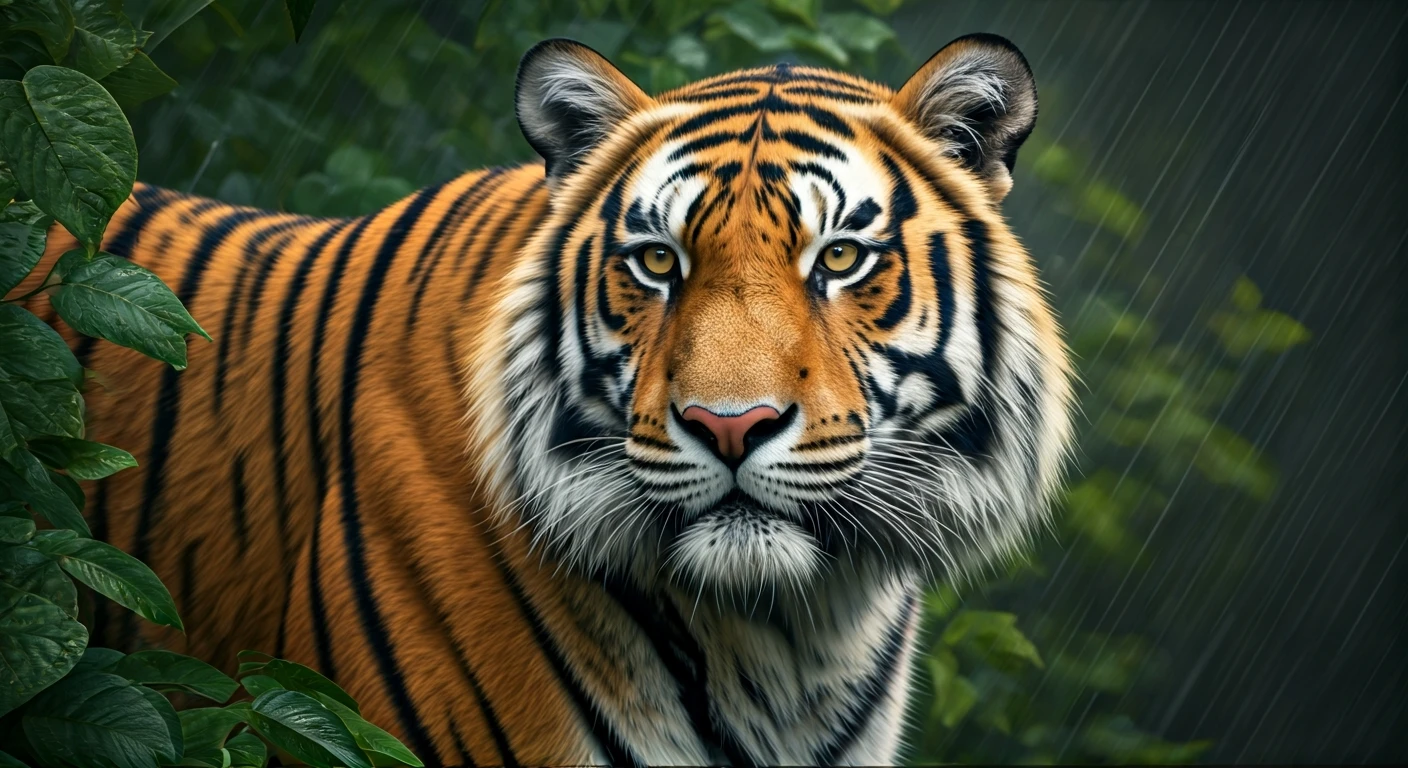
The annual closure is an essential conservation practice driven by ecological necessity. When the monsoon rains arrive, they are torrential and relentless. Dirt tracks and safari trails inside the parks turn into impassable rivers of mud, making vehicle access dangerous and often impossible. Beyond simple logistics, this period is a vital time of renewal for the ecosystem. The heavy rains replenish water sources and trigger a burst of new vegetation. More importantly, it’s a crucial breeding season for many species. Closing the parks gives the animals—from tigers to their prey—an undisturbed three-month period to mate, raise their young, and move freely without the pressure of daily jeep traffic. It’s a breather that ensures the long-term health and sustainability of these fragile environments.
The Pre-Monsoon Safari Experience
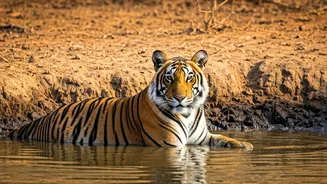
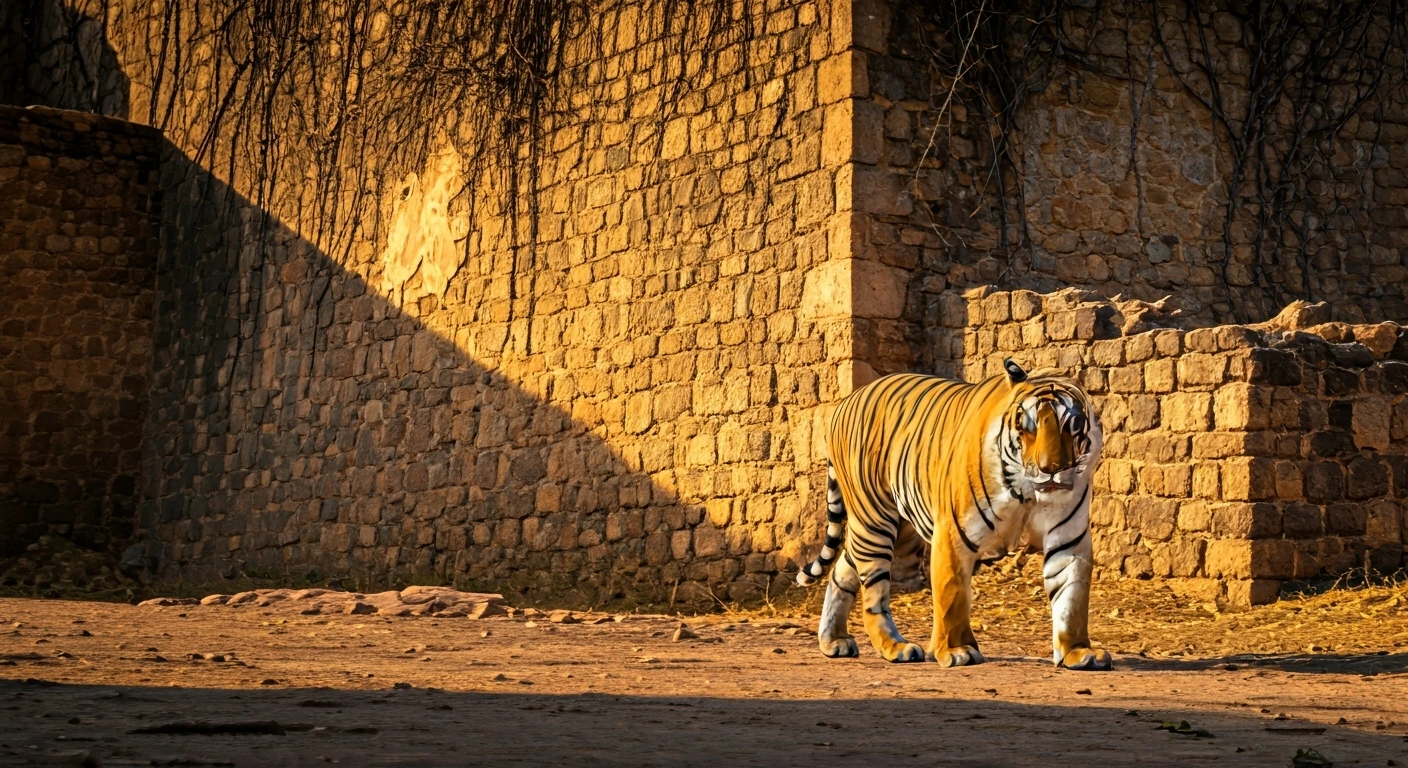
Venturing out in the weeks leading up to the monsoon (April through June) offers a distinct, if intense, safari experience. This is the peak of the Indian summer, and temperatures can soar. While the heat can be challenging for visitors, it significantly increases the odds of a tiger sighting. As smaller streams and water pockets dry up, animals are forced to congregate around the larger, more permanent lakes and waterholes. A patient wait near one of these spots offers a high probability of seeing a tiger come down for a drink or to cool off in the water. The sparse, dry vegetation also means less cover for tigers to hide in, making them more visible. It’s a trade-off: endure the heat for one of the best chances all year to witness the world’s most iconic big cat.
Planning a Last-Minute Trip
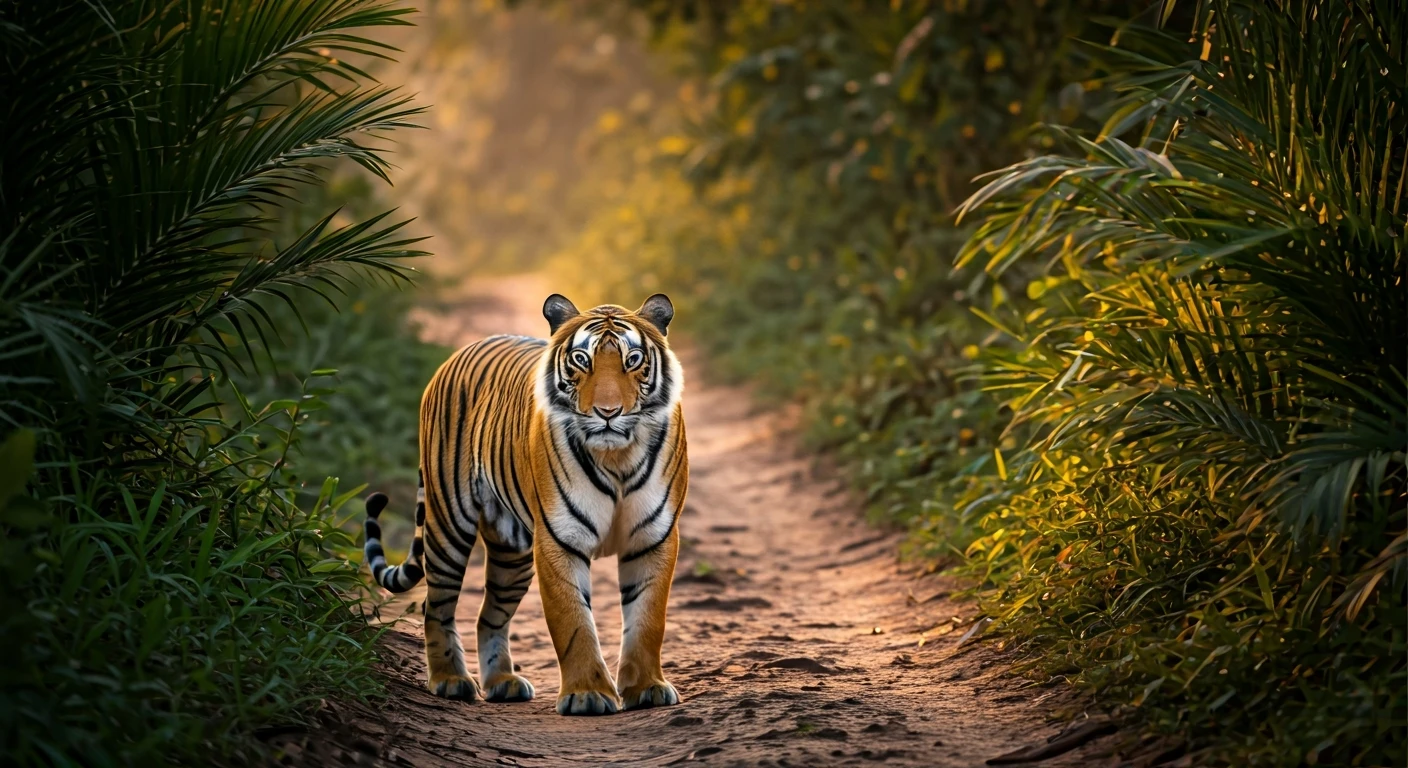
If you’re tempted to answer the last call, speed and strategy are key. Safari permits in popular national parks are limited and must be booked online, often months in advance. The government strictly controls the number of vehicles allowed into the parks for each morning and afternoon drive to minimize disturbance. For a last-minute trip, your best bet is to work with a reputable Indian travel agency or a lodge near the park. They often hold a block of permits or are adept at navigating the booking system to find cancellations. Be prepared for higher prices and limited choices for accommodation. Flexibility is crucial—if your first-choice park is full, a good operator can suggest an alternative like Tadoba or Pench, which offer equally fantastic viewing opportunities.
What Happens When the Gates Reopen?
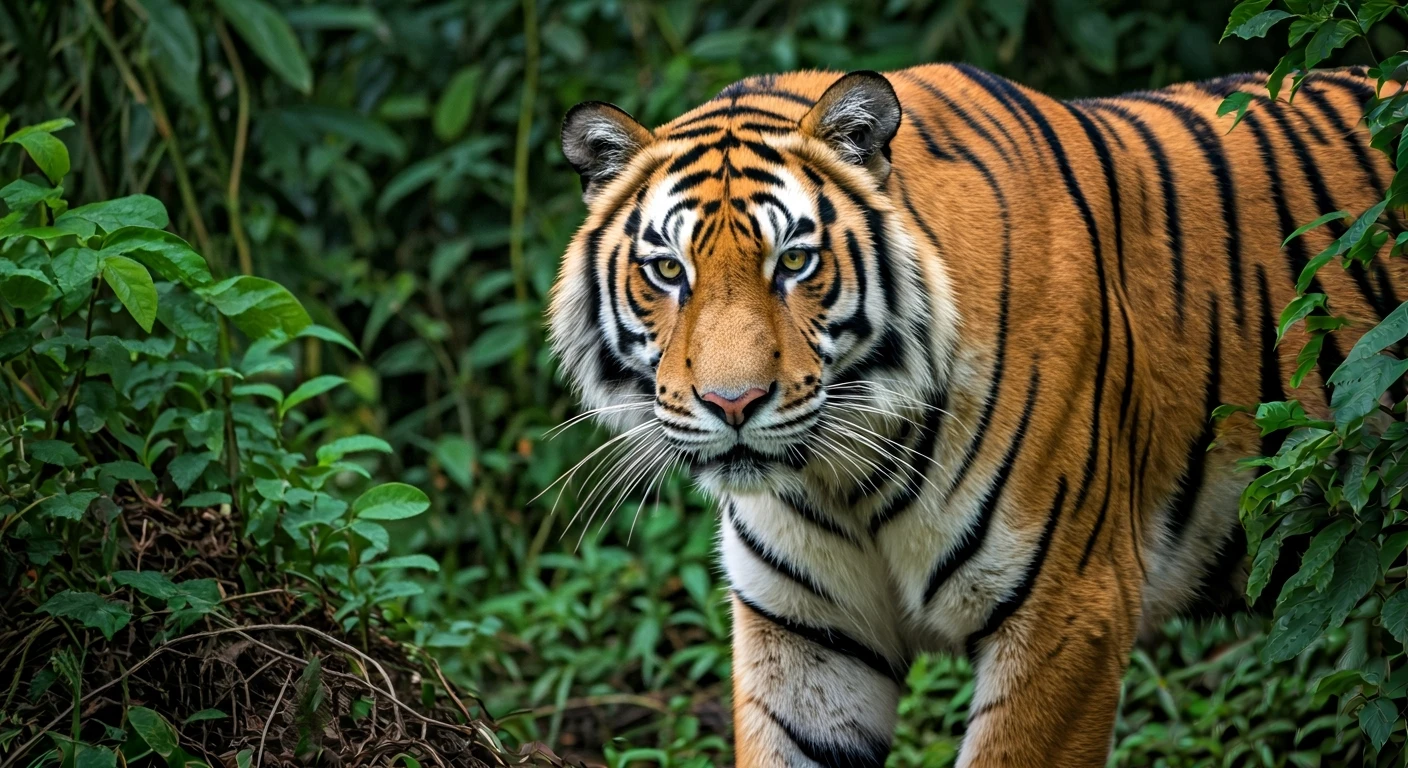
If you miss the pre-monsoon window, don’t despair. When the parks reopen in October, they are transformed. The landscape is a breathtaking, almost fluorescent green, washed clean by the rains. The air is fresh, and the lakes and rivers are full. While the lush scenery is spectacular, it can make tiger sightings more challenging initially, as the dense foliage provides ample cover and animals have more water sources to choose from. However, the post-monsoon season, from October to March, offers gorgeous weather and a different kind of beauty. Many seasoned guides consider this period, especially the cooler months of November to February, to be the most pleasant time to be in the forest, even if it requires a bit more patience to find your tiger.