




Why June Is the Magic Month
Timing is everything in the garden, and June offers a strategic window for pruning. Most plants have just completed their explosive spring growth spurt, fueled by winter reserves. By pruning now, you’re not stunting this initial growth; you’re channeling
the plant's energy for the rest of the season. Think of it as a well-timed haircut after a big growth phase. Pruning in early summer allows plants to heal quickly in the warm weather, well before the intense, potentially stressful heat of July and August sets in. This timing encourages bushier growth, better air circulation to prevent fungal diseases, and in many cases, a second wave of flowers. It's a proactive step that sets your plants up for resilience through the hottest part of the year, rather than reacting to problems later.
Your Pruning 'To-Do' List
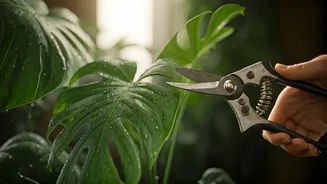
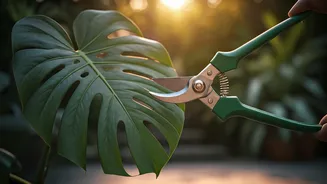
Not every plant needs a June trim, so focus your attention where it counts. First on the list are spring-flowering shrubs that have already finished their show. Think forsythia, lilacs, and weigela. Pruning them now ensures you don't accidentally snip off next year's flower buds, which they will form on old wood over the summer. Next, turn to your overgrown houseplants. Tropicals like monstera, pothos, and fiddle-leaf figs are in their active growing season and will respond well to being trimmed back. This is the perfect time to control their size and shape. Finally, many non-flowering shrubs and hedges benefit from a light shaping in June to maintain their form before their growth gets unruly. And don't forget the easiest task of all: deadheading. Snipping spent blooms from annuals and perennials like petunias, marigolds, and coneflowers tells the plant to stop making seeds and start making more flowers.
The 'Do Not Prune' List
Knowing what to leave alone is just as important as knowing what to cut. Hold your pruners back from summer-flowering shrubs that bloom on new growth, such as butterfly bush (Buddleja) and many modern hydrangeas (like 'Limelight' or 'Incrediball'). These plants are currently growing the stems that will produce this summer's flowers; pruning them now would mean sacrificing the season's bloom. The time to prune those is in late winter or early spring. Also, avoid major pruning on certain trees, particularly oaks and elms, during the summer. Pruning wounds can attract beetles that transmit deadly diseases like oak wilt and Dutch elm disease. Save any significant tree work for the dormant season. Finally, never prune a plant that is visibly stressed from drought, disease, or recent transplanting. Give it time to recover its strength before asking it to heal from pruning cuts.
Pruning 101: The Right Tools & Techniques
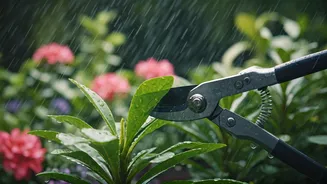
You don't need a shed full of gear. For most June tasks, a single pair of sharp, clean bypass pruners is your best friend. “Bypass” pruners act like scissors, making a clean cut that heals quickly, unlike “anvil” types which can crush stems. Before you start, and when moving between plants, wipe your blades with a cloth soaked in rubbing alcohol. This simple step prevents the spread of disease from one plant to another. When you make a cut, follow the “Three D’s” rule: remove anything dead, damaged, or diseased first. For shaping, trim stems back to just above a leaf node (the point where a leaf grows from the stem). Cut at a slight angle to allow water to run off. Don't be timid, but also avoid removing more than one-third of the plant's total mass at one time. This approach encourages healthy regrowth without sending the plant into shock.