


Upgrade Your Wipers, Not Just Replace Them
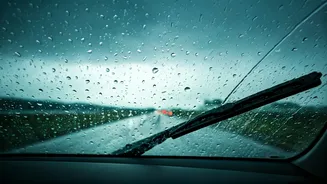
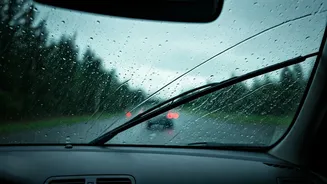
Your first line of defense against a blinding downpour isn’t your reflexes; it’s your windshield wipers. But not all wipers are created equal. When your old ones start to streak and skip, don’t just grab the cheapest replacement. Consider upgrading to a beam-style
or hybrid blade. Unlike traditional frame-style wipers that have multiple pressure points, beam blades have an infinite number of them, conforming perfectly to the curve of your windshield. This design provides more consistent, even pressure, which is critical for clearing the massive sheets of water common in a monsoon. They also perform better at high speeds and are less likely to get clogged with debris, making them a simple but significant upgrade for visibility when you need it most.
Choose Tires That Fight Hydroplaning
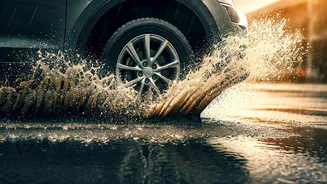
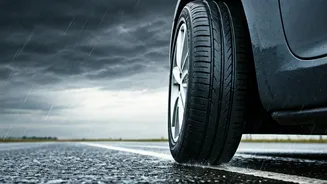
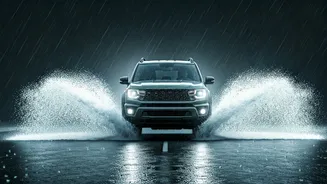
Having good tire tread is basic car maintenance. But for monsoon season, the *type* of tread matters just as much as the depth. Hydroplaning—when your tires ride on a film of water instead of the pavement—is one of the greatest dangers of driving in heavy rain. To combat this, look for tires with a tread pattern designed for superior water evacuation. These tires feature wide, circumferential grooves and angled sipes that act like channels, actively pumping water out from under the tire's contact patch. While a tire shop can give you specific recommendations, asking for an “all-season tire with excellent wet-weather performance” is a great start. This upgrade isn't just about grip; it’s about maintaining control when the road suddenly turns into a shallow river.
Treat Your Glass to Repel Rain
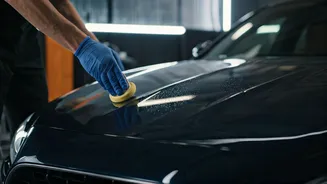
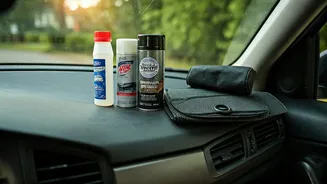
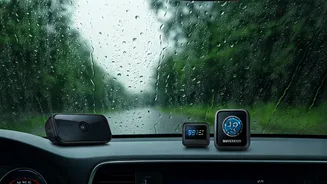
This might be the cheapest and easiest upgrade on the list, with one of the most noticeable payoffs. Applying a hydrophobic glass treatment, like Rain-X or similar products, to your windshield and windows is a game-changer. These polymer-based treatments create a super-slick, invisible coating that prevents water from sticking to the glass. Instead of smearing, raindrops bead up and are whisked away by the airflow over your car, especially at speeds over 35 mph. In many light-to-moderate rain situations, you may not even need to use your wipers. During a monsoon downpour, it drastically improves visibility and reduces the workload on your wipers, helping them perform more effectively. A single bottle can last an entire season, making it a high-value preparation.
Restore Your Headlight Clarity
Monsoon storms bring darkness, turning midday into dusk. If your car is more than a few years old, you’ve likely noticed the headlight lenses have turned yellow and hazy. This oxidation can reduce light output by more than 50%, severely limiting your visibility and making it harder for other drivers to see you. Instead of replacing the entire expensive assembly, an easy upgrade is a DIY headlight restoration kit. Available at any auto parts store, these kits use a series of polishing compounds and sealants to sand away the oxidized layer and restore the plastic to near-factory clarity. The process takes about an hour and makes a stunning difference in how well you can see—and be seen—on a dark, stormy road.
Build a Monsoon-Specific Emergency Kit
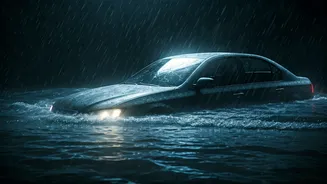
A standard car emergency kit is great, but a monsoon demands a few specific additions. The biggest threat beyond slick roads is the potential for flash floods, which can turn a dry wash into a raging torrent in minutes. Your upgraded kit should include a window breaker and seatbelt cutter tool kept within arm's reach, not buried in the trunk. This tool is your escape plan if your car is submerged and the electronic windows fail. Also consider adding extra potable water (beyond what you'd normally carry), a battery-powered weather radio to receive flash flood warnings if cell service drops, and high-visibility rain gear. Think of it as upgrading your personal safety equipment to match the unique risks of the season.