







The Shift from Pace to People
Most people join a running group with a simple goal: get faster, run farther, or just stay consistent. It starts as a transaction. You show up for the structured workout and the accountability of a fixed schedule. But something interesting happens a few
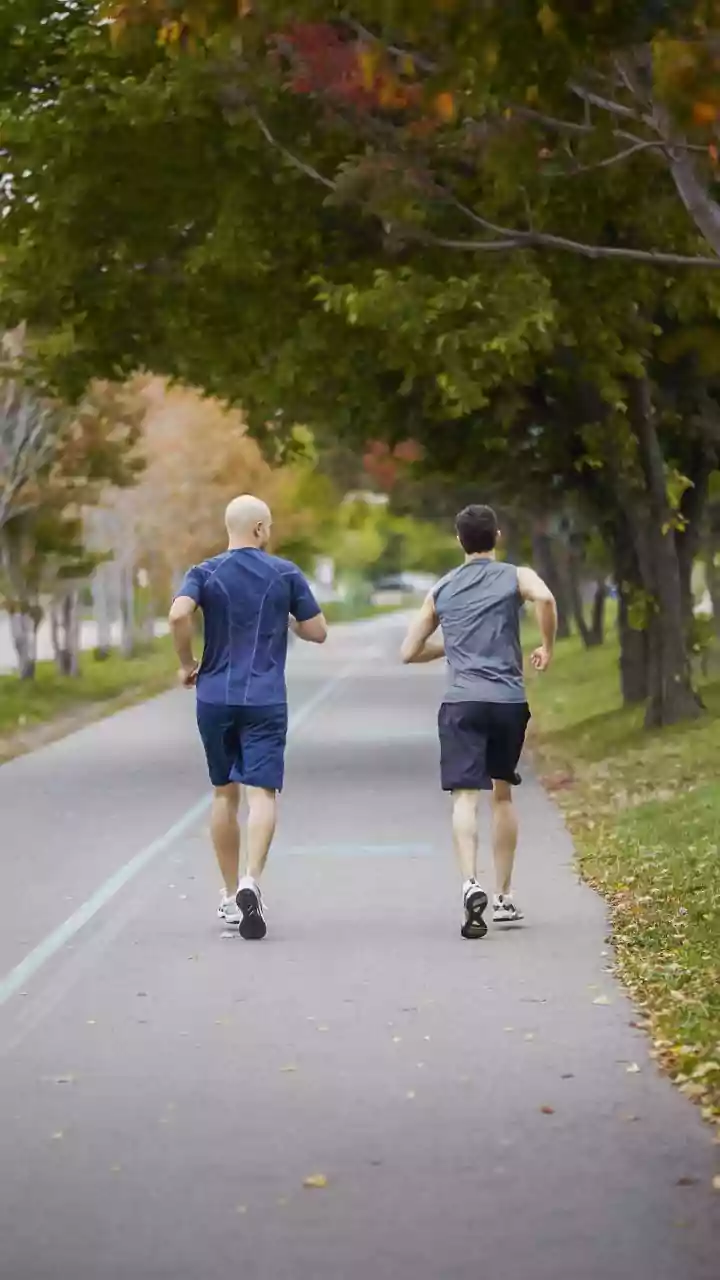
weeks in. The focus subtly shifts. The question is no longer just, “What was my split time?” but “How is Sarah’s new puppy?” or “Did Mike finish that big project at work?” The run itself becomes the backdrop for something much more human. Unlike a gym class where participants often exist in parallel, running side-by-side for 30, 60, or 90 minutes creates a unique space for conversation. The shared rhythm of footfalls and breathing strips away the usual social armor, making it easier to talk, listen, and connect. The initial goal of fitness doesn’t disappear, but it’s joined—and often surpassed—by the goal of camaraderie.
The Chemistry of Shared Effort
There’s a powerful psychological component at play. Exercise, particularly endurance-based activity, releases endorphins, creating a natural mood boost often called a “runner’s high.” When this experience is shared, it can foster a collective sense of euphoria and bonding. Psychologists refer to this as “collective effervescence,” a feeling of shared energy and harmony that makes a group feel like more than the sum of its parts.
Moreover, the act of pushing through discomfort together is a potent relationship accelerator. Sharing a tough hill climb or enduring a sudden downpour creates a “we’re in this together” mentality. This shared vulnerability—admitting you’re tired, encouraging someone else who’s struggling, and celebrating a completed run—builds trust and empathy far more quickly than a typical coffee meeting. You’re seeing each other at your most raw and determined, forging a bond that’s less about performance and more about mutual support.
Accountability Becomes Allegiance
The most commonly cited benefit of a group workout is accountability. It’s harder to skip a run when you know people are waiting for you. Initially, this is a utilitarian motivator. But over time, that accountability transforms into something deeper: allegiance. You’re no longer showing up just to avoid letting yourself down; you’re showing up because you don’t want to let your friends down. You want to be part of the weekly ritual, to hear the stories, to share in the successes, and to offer support.
This social loyalty is a far more powerful and durable motivator than a number on a training plan. When your alarm goes off on a cold, dark morning, the thought of a personal best might not be enough to get you out of bed. But the thought of missing the pre-run banter and the post-run coffee with people you genuinely care about often is. The group becomes a source of positive social pressure, where belonging is the reward.
The Finish Line Is Just the Beginning
For many running groups, the workout is merely the anchor for a much broader social life. The relationships forged on the pavement extend to brunches, birthday parties, and group trips to out-of-town races. Teammates become emergency contacts, career mentors, and the first people you call with good news. They’ve seen you grind through a tough 10-miler, so they have a unique perspective on your resilience and character.
This transition from workout partners to a genuine support system is the ultimate expression of the group’s value. It proves that the shared miles were never just about physical distance. They were the foundation for building a “third place”—a vital social environment outside of home and work—where people can find belonging, encouragement, and lasting friendship. The loyalty isn’t to a workout regimen; it’s to the community it creates.