



Understanding the Monsoon's Two Faces
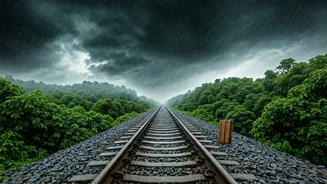
For the uninitiated American traveler, the Indian monsoon can be a romantic notion, conjuring images of lush green landscapes and dramatic downpours. The reality is far more complex. This seasonal weather system is the subcontinent's lifeblood, replenishing
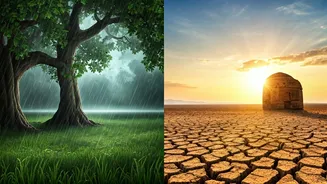
reservoirs and nourishing crops that feed over a billion people. But its power is immense and often overwhelming. Major cities like Mumbai and Delhi can grind to a halt, with flooded streets, delayed flights, and a pervasive, inescapable dampness. Popular tourist circuits in Kerala, Goa, and the Himalayan foothills become challenging, if not entirely inaccessible. The monsoon isn't a single, uniform event. It sweeps up from the Indian Ocean in two main branches, drenching different regions at different times. For travelers planning a summer trip, it traditionally means either embracing the rain or avoiding the country altogether. But there’s a third option: heading to the one place the monsoon barely touches.
The Golden Exception: Jaisalmer
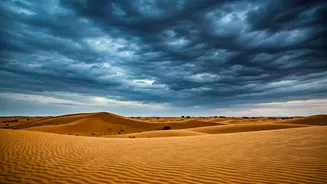
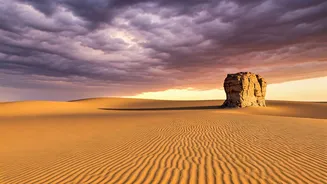
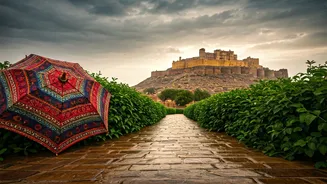
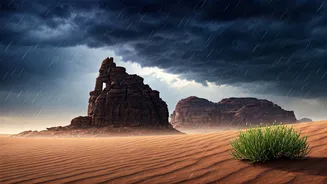
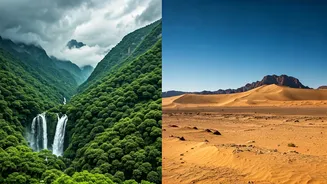
Deep in the northwestern state of Rajasthan lies the Thar Desert, a vast expanse of sand and rock that stretches to the Pakistani border. Here, shielded by the Aravalli mountain range that diverts monsoon clouds, is Jaisalmer. Known as the "Golden City," its moniker comes from the yellow sandstone used to construct nearly every building. When the sun hits the walls of its ancient fort and ornate mansions, the entire city glows with a warm, honeyed light. While the rest of India measures rainfall in inches and feet, Jaisalmer measures it in drops. Its arid climate means that even in the height of monsoon season, you are far more likely to encounter blazing sunshine than a raincloud. This geographic anomaly makes it a fascinating counterpoint to the typical Indian summer experience and a viable destination for those seeking clear skies.
Exploring a Living Fortress
The heart of Jaisalmer is its magnificent fort. Unlike many of India’s other grand citadels, which are purely historical monuments, Jaisalmer Fort is a living city. Nearly a quarter of the old city's population still resides within its ancient walls, their homes tucked into a labyrinth of narrow, winding lanes. You can wander for hours, discovering intricately carved Jain temples, bustling shops, and rooftop cafes offering stunning views of the surrounding desert. This time of year is the off-season, meaning you’ll share these incredible sights with far fewer tourists. The typical crowds of the peak winter season are gone, giving your visit a more authentic, unhurried feel. You can explore the stunningly detailed facades of the *havelis*—private mansions like Patwon Ki Haveli and Salim Singh Ki Haveli—without jostling for a photo.
The Reality of a Desert Summer
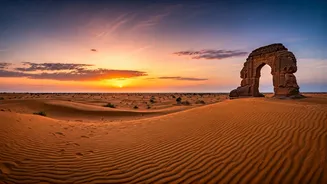
There is, of course, a trade-off for escaping the rain: the heat. A summer trip to Jaisalmer is not for the faint of heart. Temperatures regularly soar above 100°F (38°C), and the desert sun is relentless. This isn't a place for midday strolls. Successful travel here requires adapting to the local rhythm. Rise early to explore the fort in the soft morning light when the air is coolest. Spend the scorching midday hours relaxing indoors—perhaps in a cool, stone-walled guesthouse or by a hotel pool. Then, as the sun begins to dip towards the horizon, venture out again to witness a spectacular desert sunset from a viewpoint like Vyas Chhatri or the serene Gadisar Lake. Pack lightweight, breathable clothing, a wide-brimmed hat, and stay rigorously hydrated. You’re swapping one weather extreme for another.
Venturing into the Dunes
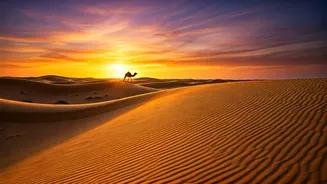
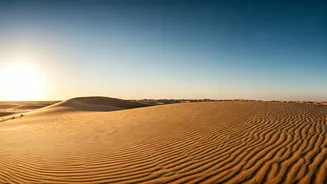
No trip to Jaisalmer is complete without experiencing the Thar Desert itself. The most popular way to do this is on a camel safari. Tour operators offer everything from a short sunset ride to multi-day expeditions where you sleep under the stars. The clear, dry weather of the monsoon season means these trips are still very much possible. Riding a camel across the sweeping Sam Sand Dunes as the landscape turns from gold to orange to purple is an unforgettable experience. The vast, silent emptiness of the desert provides a profound sense of peace and scale, a stark and beautiful contrast to the lush, noisy, and water-logged world just a few hundred miles away.