



The Mango Capital of India
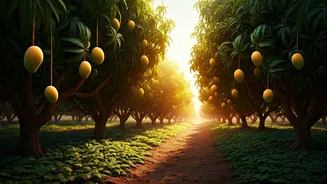
In northern India, the city of Lucknow is synonymous with a certain kind of refined elegance, a legacy of the Nawabs who once ruled the region. They were patrons of poetry, cuisine, and, most importantly, horticulture. Just a few miles away lies the Malihabad-Kakori
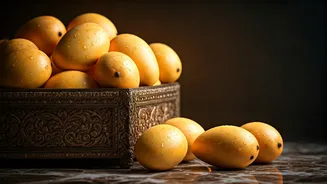
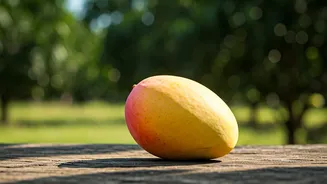
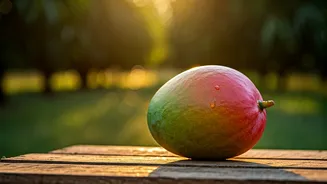
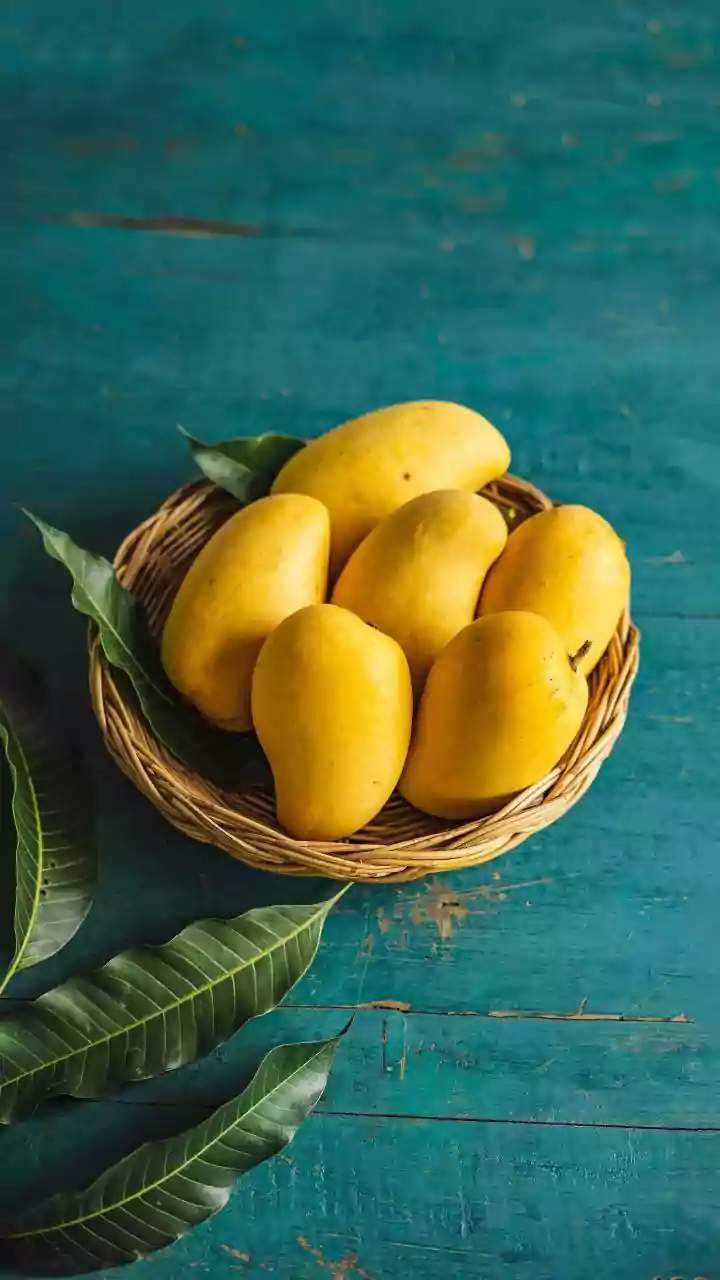
mango belt, a sprawling region designated as a Globally Important Agricultural Heritage System. This isn't just any farmland; it's a living museum of mangoes. For over 200 years, the farmers here have been custodians of hundreds of unique mango varieties, most famously the sweet, fiberless Dasheri, which has a protected Geographical Indication (GI) tag, much like Champagne in France or Parmesan in Italy. The orchards, some with trees over a century old, are passed down through families, each holding a wealth of knowledge about grafting, nurturing, and harvesting these ‘king of fruits’.
The Tyranny of the Perfect Fruit
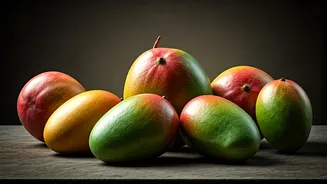
In recent decades, however, this rich biodiversity has been under threat. Modern commerce favors uniformity. Wholesale markets and long-distance supply chains demand fruit that looks perfect, travels well, and has a long shelf life. This pressure created a market that overwhelmingly favored a handful of hardy, commercially viable mango varieties, pushing the more delicate, eccentric, and often more flavorful heirloom types to the brink of extinction. For the small farmers of the Lucknow region, this meant a painful choice: abandon the unique varieties their great-grandparents had cultivated and compete in a low-margin, high-volume market, or watch their traditional livelihood become unviable. This economic squeeze was also a cultural one. Pride wasn't found in producing a generic commodity; it was in the specific taste of a ‘Husn-e-Aara’ (Beauty-Adorner) or the unique scent of a ‘Chausa’. As these varieties vanished from the market, so did a piece of the farmers' identity.
From Commodity to Craft
But a quiet revolution is taking root. A growing movement—driven by a mix of farmer-led initiatives, savvy entrepreneurs, and discerning consumers—is rebranding these mangoes not as simple produce, but as craft heritage. Instead of selling to middlemen for pennies on the dollar, farmers are now connecting directly with urban customers through online platforms and dedicated courier services. Mango festivals and orchard tours are becoming popular, inviting city dwellers to come and experience the source. This new model does two critical things. First, it fetches a premium price for rare varieties, rewarding farmers for their unique knowledge and stewardship. A box of assorted heirloom mangoes, each with its own name and story, is far more valuable than a generic crate. Second, and just as importantly, it restores dignity. When a customer in Mumbai or Delhi specifically requests a box of ‘Gaurjeet’ mangoes and praises its distinct flavor, the farmer isn't just a supplier; they are a respected artisan, the keeper of a priceless tradition.
A Taste of Legacy
This movement is about more than just fruit. It’s a powerful counter-narrative to industrial agriculture. It’s about valuing flavor over uniformity and story over scale. For the U.S. consumer, who has watched a similar story play out with heirloom tomatoes at farmers' markets, the parallel is clear. The joy of discovering a Brandywine tomato after a lifetime of hard, pale supermarket versions is the same joy an Indian consumer feels tasting a fragrant, floral ‘Langra’ mango for the first time. The farmers of Lucknow are not just growing mangoes; they are curating a library of flavors. Each tree is a book, and by ensuring they can make a proud living, this new mango culture ensures the library stays open. They are connecting their past to a sustainable future, one fragrant, delicious fruit at a time.