









So, What Is Bhoomi Habba?
Bhoomi Habba, which translates to “Earth Festival” in the local Kannada language, is an annual one-day event held on a sprawling, green campus in Bangalore, India. Organized by the social justice NGO Visthar, the festival has become a cornerstone of the city’s
environmental calendar since its inception. Timed to coincide with World Environment Day in June, it’s a celebration that brings together farmers, artisans, activists, families, and anyone curious about a more conscious way of life. Unlike slick, corporate-sponsored eco-summits, Bhoomi Habba feels deeply rooted and authentic. It’s less of a trade show and more of a bustling community fair, or *mela*, dedicated to ecological justice and cultural diversity.
A Celebration of Culture and Ecology
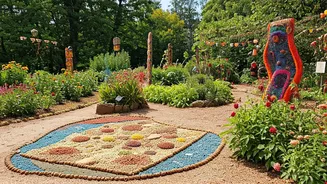
The magic of Bhoomi Habba lies in its seamless fusion of environmentalism and culture. The festival grounds are a sensory delight. Stalls overflow with handmade crafts, organic produce straight from local farms, and natural wellness products. The food court serves traditional, millet-based dishes on biodegradable leaf plates, a tangible rejection of single-use plastics. But this is far from just a marketplace. The heartbeat of the festival is its cultural programming. Stages host vibrant folk music and dance performances, street theater groups tackle social and environmental themes with humor and passion, and documentary screenings spark conversations about everything from water conservation to food sovereignty. For attendees, it’s a chance to not only buy sustainable goods but to engage with the ideas and traditions that underpin a sustainable existence.
Workshops for a Hands-On Approach
A key part of the festival's appeal is its focus on empowerment through knowledge. Bhoomi Habba is packed with interactive workshops that demystify sustainable living. You might find a session on composting for city apartments, a demonstration on creating natural dyes from plants, a pottery class using local clay, or a tutorial on starting your own rooftop vegetable garden. This hands-on approach is crucial. It transforms abstract environmental ideals into practical, achievable skills. By teaching people how to make small changes—whether it’s reducing kitchen waste or fixing a broken item instead of replacing it—the festival fosters a sense of agency. It sends a powerful message: sustainability isn’t about deprivation or waiting for governments to act; it’s about joyful, creative, and collective participation.
Why It Matters Beyond India
In a world saturated with greenwashing and performative eco-consciousness, Bhoomi Habba stands out for its integrity. It offers a compelling alternative model for what a sustainability event can be: non-commercial, community-driven, and culturally rich. For an American audience accustomed to festivals often defined by major sponsorships and high ticket prices, the grassroots ethos of Bhoomi Habba is a powerful reminder of the importance of local action. It champions a philosophy of “enoughness” over endless consumption, connection over convenience. The festival demonstrates that environmentalism doesn’t have to be a sterile, science-heavy pursuit. It can be—and perhaps should be—a vibrant, inclusive celebration rooted in culture, craft, and community. It proves that caring for the planet can be a source of profound joy and connection, not just a solemn duty.