




The Rise of the Pet-Safe Greenhouse
First came the fur babies, then came the fiddle-leaf figs. For many millennials and Gen Zers, pets and plants have become intertwined symbols of domestic life and personal wellness. We curate our spaces with monstera deliciosa and pothos, but our cats
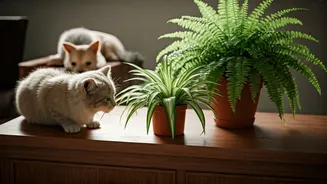
and dogs—driven by curiosity, boredom, or a simple desire to chew—don't always respect the aesthetic. This has created a surge in demand for non-toxic houseplants, as a single bite of the wrong leaf can lead to a costly, terrifying emergency vet visit. The American Society for the Prevention of Cruelty to Animals (ASPCA) fields thousands of calls about pet poisonings each year, with plants being a common culprit. As a result, savvy nurseries and online plant shops are now highlighting "pet-friendly" collections, and for good reason. Choosing the right greenery isn't just a design decision; it's a core part of responsible pet ownership.
Know the Danger Zone: Common Toxic Plants
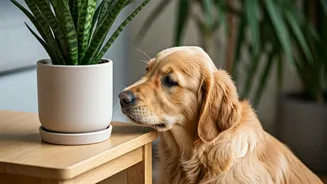
Before we get to the good stuff, it's crucial to know what to avoid. Many of the most popular houseplants are unfortunately toxic to cats and dogs. Lilies (all parts of the plant) are extremely dangerous for cats, potentially causing fatal kidney failure. The trendy Sago Palm is another major threat, with its seeds being the most toxic part. Other common offenders you should keep out of your home or far out of reach include Snake Plants, ZZ Plants, Pothos, Dieffenbachia (Dumb Cane), and English Ivy. While toxicity levels vary—some cause mild oral irritation, others can be lethal—the safest bet is to steer clear entirely. Always double-check a plant's status on the ASPCA's comprehensive list before bringing it home.
The Resilient Classic: Spider Plant
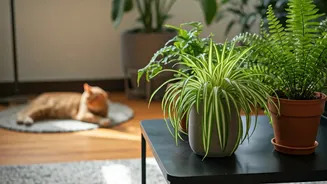
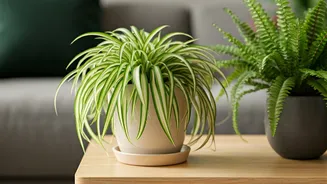
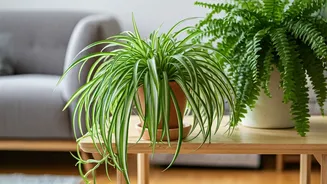
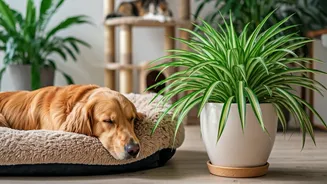
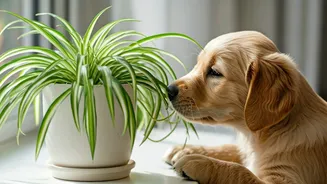
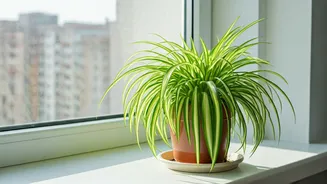
If you're looking for a nearly indestructible and completely pet-safe option, the Spider Plant (Chlorophytum comosum) is your champion. Famous for its air-purifying qualities and the charming "spiderettes" that dangle from the mother plant, it's a visual delight. These plants are non-toxic to both cats and dogs, so if your kitty decides to bat at its cascading leaves or your puppy takes a nibble, you don't have to panic. They thrive in a variety of light conditions and are forgiving if you occasionally forget to water them, making them perfect for both beginner plant parents and busy pet owners.
The Dramatic Beauty: Prayer Plant
For a pop of color and a bit of daily drama, look no further than the Prayer Plant family (Calathea and Maranta). These plants are renowned for their stunning, patterned foliage in shades of green, pink, and red. Their claim to fame is nyctinasty—the fascinating habit of folding their leaves up at night, as if in prayer. Fortunately, their beauty isn't dangerous. The ASPCA lists them as non-toxic, so their theatrical movements are the only drama they'll bring into your home. They prefer indirect light and consistent humidity, rewarding attentive owners with a beautiful, dynamic display that's safe for curious sniffers.
The Lush Air-Purifier: Boston Fern
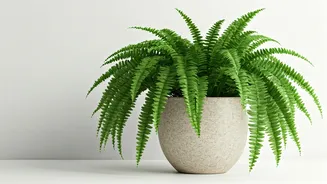
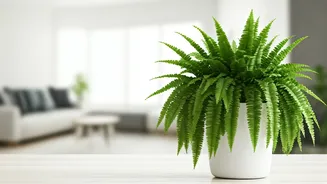
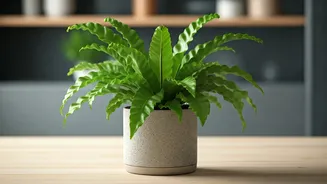
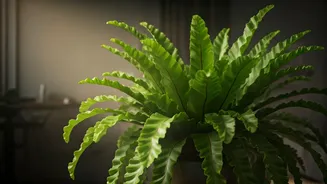
Want to add a touch of lush, feathery texture to your space? The Boston Fern (Nephrolepis exaltata) is a classic choice that’s completely safe for pets. Its arching fronds create a full, vibrant look, making it an excellent choice for hanging baskets where it can cascade freely, often just out of a pet's reach anyway. These ferns are excellent natural air humidifiers and purifiers. They are non-toxic to cats and dogs, so a curious nibble won't cause harm. They do best in high humidity and indirect sunlight, making them a perfect addition to a well-lit bathroom.
The Succulent Solution: Haworthia
Many popular succulents, like the Jade Plant and some types of Aloe Vera, can be toxic to pets. But that doesn't mean you have to give up on the low-water lifestyle. Enter the Haworthia family, often called Zebra Plants. These small, spiky succulents feature striking white stripes and a compact size perfect for windowsills and desks. They are completely non-toxic and offer the same architectural, low-maintenance appeal as their more dangerous cousins. They require very little water and thrive in bright, indirect light, giving you that desert-chic vibe without any of the risk.
When In Doubt, Check and Act
Even with a home full of safe plants, it's wise to be prepared. Keep the number for your veterinarian and the ASPCA Animal Poison Control Center—(888) 426-4435—in an accessible place. If you suspect your pet has ingested any part of a plant, toxic or not, call a professional immediately. They can tell you whether the symptoms to watch for are mild irritation or signs of a true emergency. Discouraging plant-chewing behavior through training and providing other toys can also help keep your pets and your plants living in harmony.