






1. The Premium on Natural Light
The single biggest rejection of dark spaces is the modern obsession with natural light. Gone are the days of heavy drapery, tiny windows, and dim, wood-paneled dens. Today's most sought-after properties are flooded with sunlight. Real estate listings
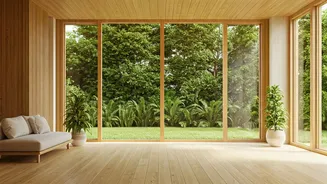
that mention features like floor-to-ceiling windows, skylights, and expansive glass doors command higher prices and sell faster. A recent Zillow report found that listings mentioning natural light sold for significantly more than expected. This isn’t just an aesthetic preference; it’s rooted in a desire for health. Exposure to natural light is proven to boost mood, improve sleep cycles, and increase productivity. Homebuyers are no longer just buying square footage; they're investing in homes that make them feel good, and that starts with sunlight.
2. Biophilia: Bringing the Outdoors In
Closely related to the demand for light is the rise of biophilic design—the practice of connecting people and nature within our built environments. This goes beyond a few token houseplants. Buyers are responding to homes that incorporate natural materials like light-toned woods (think white oak over dark mahogany), stone accents, and natural fibers like linen and wool. The goal is to create a seamless transition between the inside and outside. Features like large sliding doors that open onto a patio, a kitchen window overlooking a garden, or even a bathroom with a view of the trees are becoming major selling points. This trend reflects a collective yearning for a deeper connection to the natural world, a way to find calm and grounding in our increasingly digital lives.
3. The End of Formality, The Rise of Flow
Dark spaces often feel formal and compartmentalized—think of the stuffy, unused formal living room or the isolated dining room. The wellness-driven home rejects this structure in favor of open, flexible floor plans that promote airflow and social connection. Buyers want spaces that feel expansive and adaptable. An open-concept kitchen that flows into a family room allows for light to travel freely and for families to interact more easily. This isn't about creating one giant, undefined room. Instead, designers are using clever tactics like half-walls, strategic furniture placement, and cohesive color palettes to define zones without sacrificing the feeling of airiness. The message is clear: a home should support your life, not confine it.
4. The Soothing Power of a Calm Palette
The dark accent walls, moody jewel tones, and dramatic black hardware of the past few years are being replaced by a much softer, more serene color story. The wellness aesthetic leans heavily on a palette of warm whites, creamy beiges, soft grays, and earthy tones like sage green and terracotta. These colors serve as a clean, bright canvas that reflects light and creates a sense of tranquility. They evoke a spa-like atmosphere, turning the home into a retreat from the chaos of the outside world. This isn't to say homes are becoming boring or sterile. Instead, texture is the new source of visual interest—plaster walls, nubby bouclé fabrics, and ribbed wood paneling add depth without darkening the space.
5. Carving Out Dedicated Wellness Zones
Perhaps the most literal interpretation of this trend is the creation of dedicated spaces for self-care. While a full-blown home gym or yoga studio is a luxury, buyers are drawn to homes that show potential for these zones. A sun-drenched corner becomes a meditation nook. An extra-wide landing at the top of the stairs is staged as a reading spot. Bathrooms are being transformed from purely functional rooms into personal spas, with features like soaking tubs, steam showers, and natural finishes. This reflects a fundamental shift in how we view our homes. They are no longer just places to eat and sleep; they are active partners in our pursuit of physical and mental well-being.